







Dog backpack carriers
Backpack Pet Carrier with Bubble Window and Mesh Panels, Khaki
- Options
- 3 to choose from
From $59.99
Free US shipping over $49 · 30-day free returns · Happy pets, happy homes
Pet care guidesDogs
Every journey, together.
59 items picked for everyday life with your pet, with shipping estimates on every item.
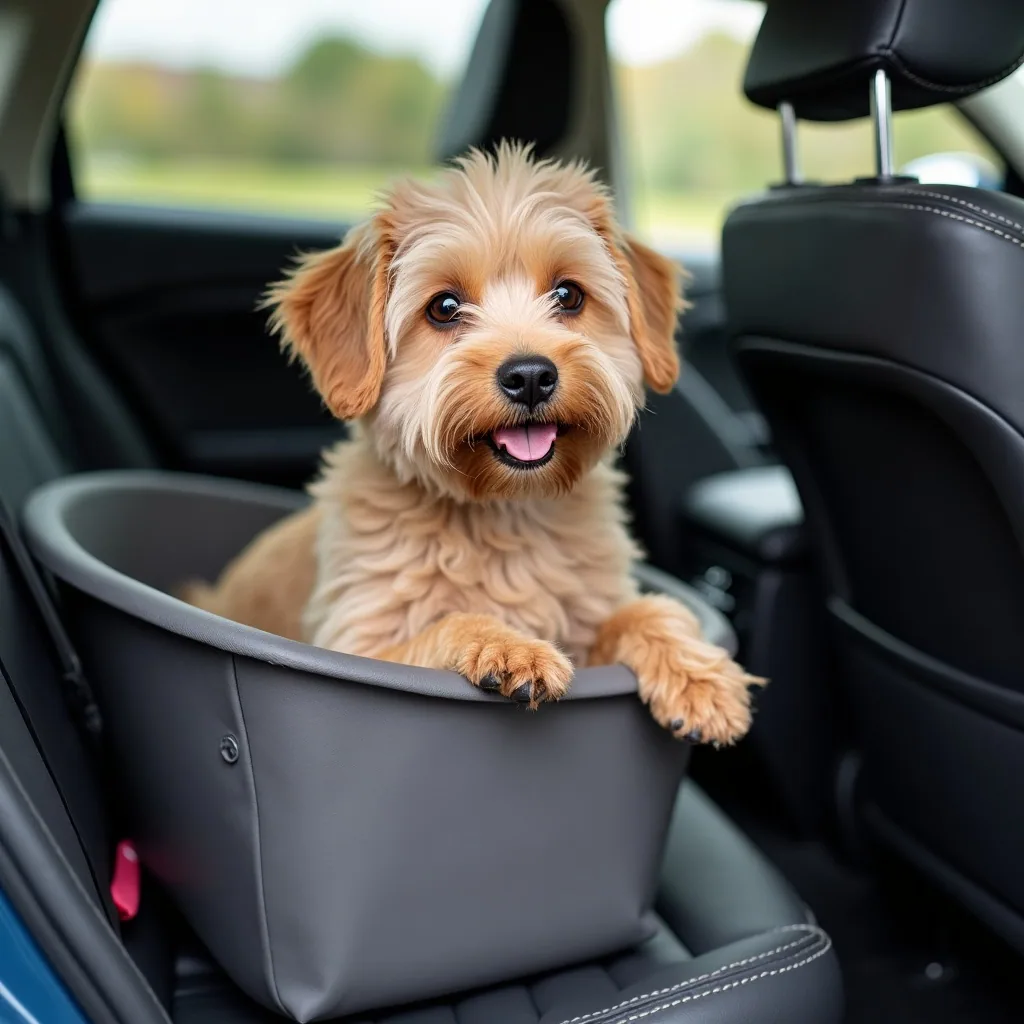 Safe and settled on the move.
Dog backpack carriers
From $59.99

Dog carriers
From $21.99


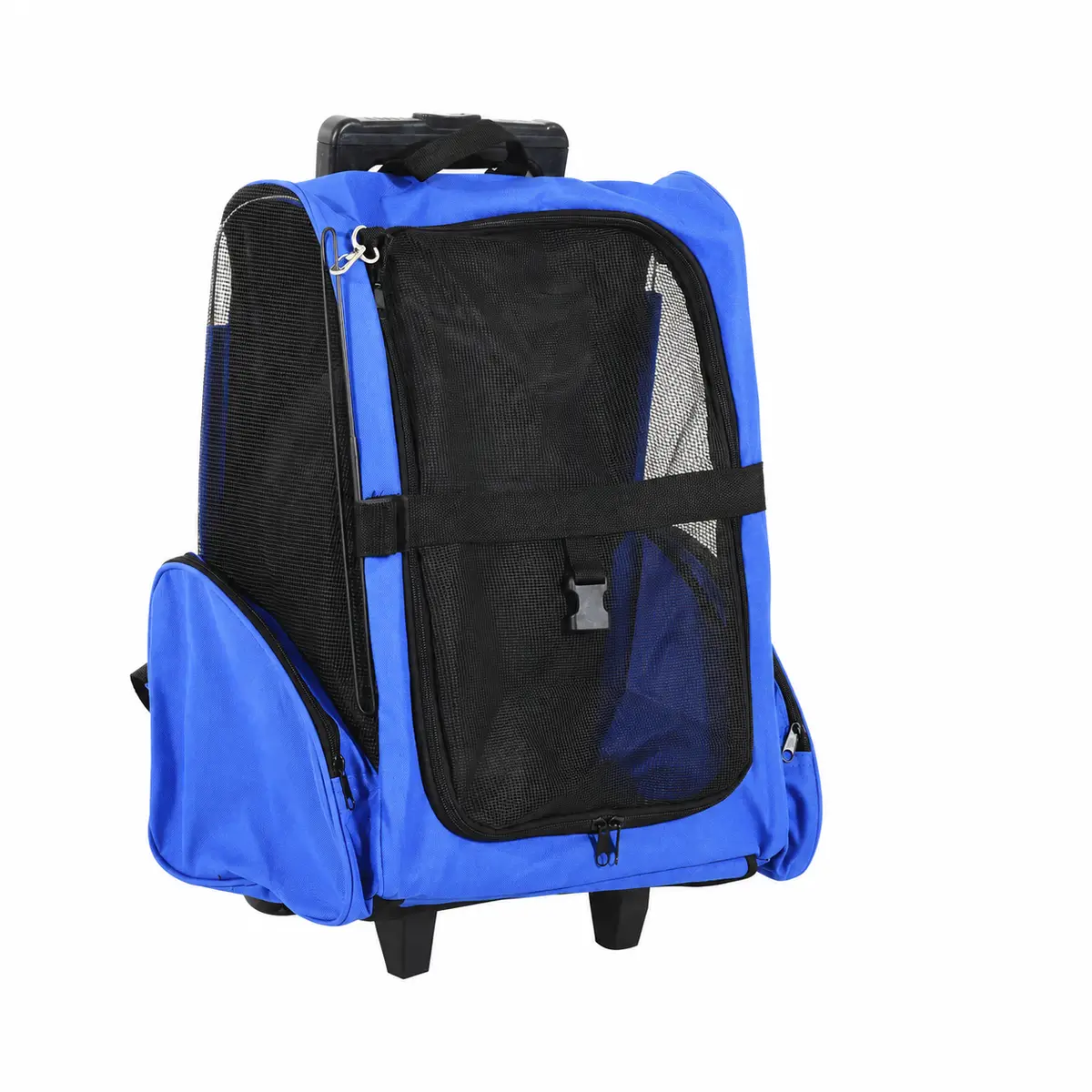

Dog purse carriers
From $23.99


Dog bike baskets
$57.99


Car seats for small dogs
$56.99

Dog backpack carriers
From $24.99


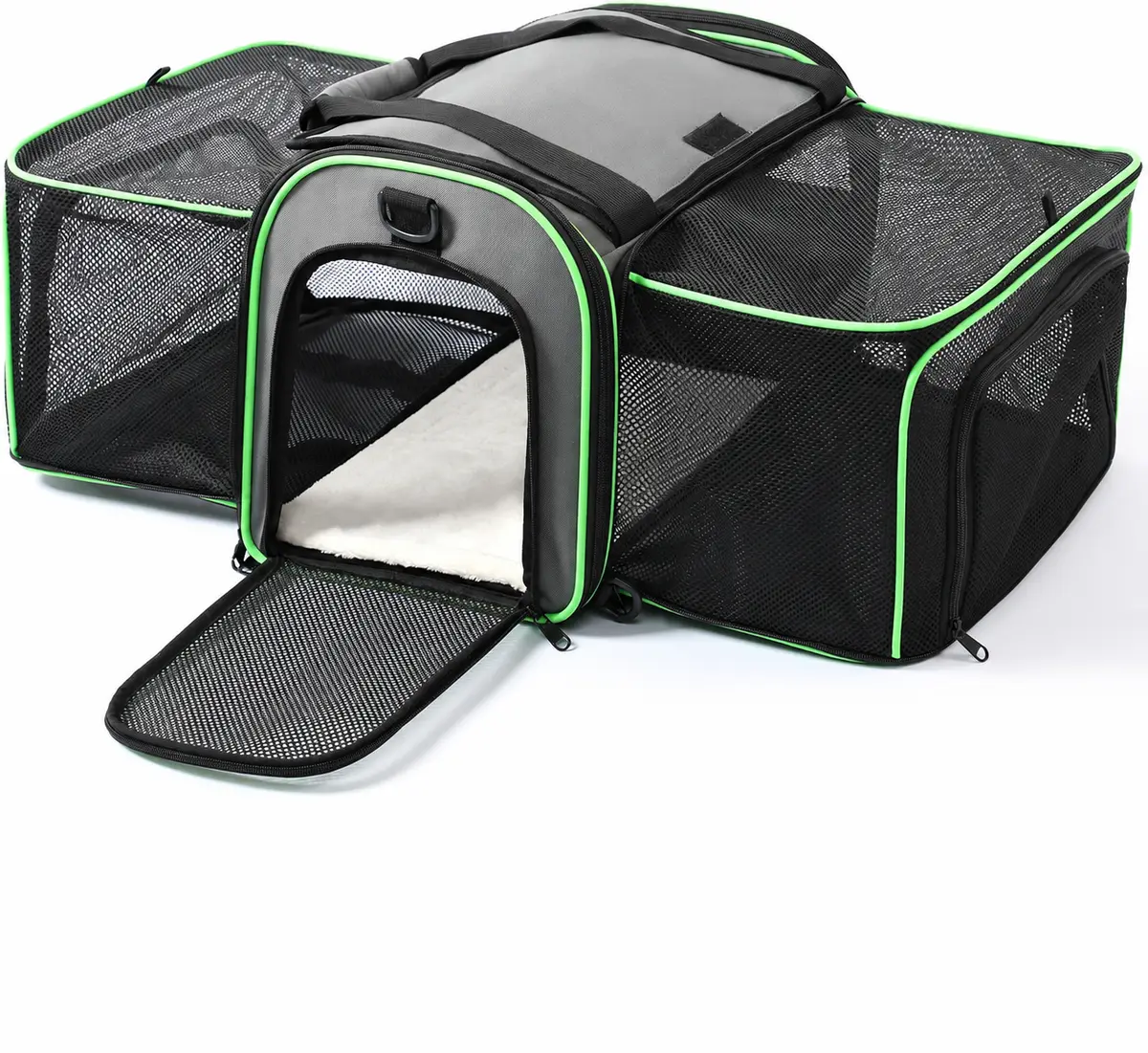


Dog backpack carriers
From $74.99

A little guidance
Buying guides and care advice written for this range: what to measure, what matters and what to skip.
This page holds carriers for small dogs: soft-sided and expandable travel carriers with mesh panels, a padded 3-in-1 carrier that also works as a bed and car booster, backpack carriers, hands-free front chest packs and a canvas shoulder sling. It is for owners of toy and small breeds, puppies and older small dogs who need to be carried on trips, transit or longer walks.
Soft-sided carriers are the most common. They are light, ventilated through mesh panels and often have a shoulder strap and a top opening; expandable models unzip to give a dog more room once you arrive. The American Kennel Club notes that soft-sided carriers are popular for small dogs and that hard-sided carriers resist crushing in tight spaces.
Wearable carriers, including backpacks, front packs and slings, are meant for puppies and small dogs and keep your hands free. A sling holds a dog close against your body for short distances; a backpack spreads the weight for longer walks. A 3-in-1 carrier that becomes a bed and car booster saves packing three things on a trip.
The American Kennel Club method is to measure the back from where the collar sits to the base of the tail, and the height from the shoulders to the ground, then add a few inches to each. Your dog should be able to stand, turn around and lie stretched out inside.
Weigh your dog too, and compare it with each carrier's limit. Wearable carriers usually have lower limits than bags, and a dog near the limit of a sling will be uncomfortable for both of you. Measure a puppy again as it grows.
Airlines set their own in-cabin pet rules and under-seat sizes, and the American Kennel Club advises checking the airline and current FAA requirements before you travel. Compare the airline's maximum dimensions with the carrier's outside measurements.
On buses and trains, a carrier with a secure zip and a short internal tether clip keeps your dog inside if it gets startled. Attach the tether to a harness, never a collar. Book early, since many airlines limit pets per flight.
Leave the carrier open at home with a familiar blanket and toss treats inside so it becomes a cozy den rather than a sign of the vet. Close it for short periods, then carry it around the house, then go for a short trip.
For wearable carriers, let your dog sit in it on your lap first, then stand and walk around indoors. Keep outings short at first, and stop if your dog pants heavily, struggles or tries to climb out.
Check ventilation on warm days; mesh sides help, but a carrier in sun can overheat quickly. Never leave a dog in a carrier in a parked car. Carry water on longer outings and offer it during breaks.
Inspect zips, straps and buckles before each trip, and wash the liner regularly. A carrier does not replace a crash-tested restraint in a car, so belt it in on the back seat or use it with a proper car seat or harness.
| Format | Physical arrangement | Measure or inspect |
|---|---|---|
| Soft-sided | Fabric body with a supported floor | Internal dimensions,mesh and closure |
| Hard-sided | Rigid shell with a door | Inside floor,door and cleaning access |
| Expandable | Extra panels open from the main body | Travel size and expanded size separately |
| Backpack or front pack | Carrier worn against the body | Internal space and strap adjustment |
| Sling | A soft pouch carried across the body | Opening,support and exact fit instructions |
| Convertible | One body with multiple stated arrangements | Parts and permitted use in each mode |
Measure from the base of the neck to the base of the tail and from shoulders to the ground, then add a few inches. Your dog should stand and turn around inside.
For small dogs on short outings, yes, if the dog is within the weight limit and secured with the internal clip to a harness. Support the dog's weight and avoid long periods.
Many airlines allow soft-sided carriers in the cabin, but the rules and sizes vary. Check your airline's current limits against the carrier's outside dimensions before you book.
It depends on the carrier, so check the stated limit. Backpacks are designed for small dogs and puppies and are not meant for dogs near the top of their range for long walks.
For small dogs on short outings, many owners find them easy, since the dog rides close to your chest. Adjust the straps so the weight sits high and check the carrier's weight limit first.