







Dog booster seats
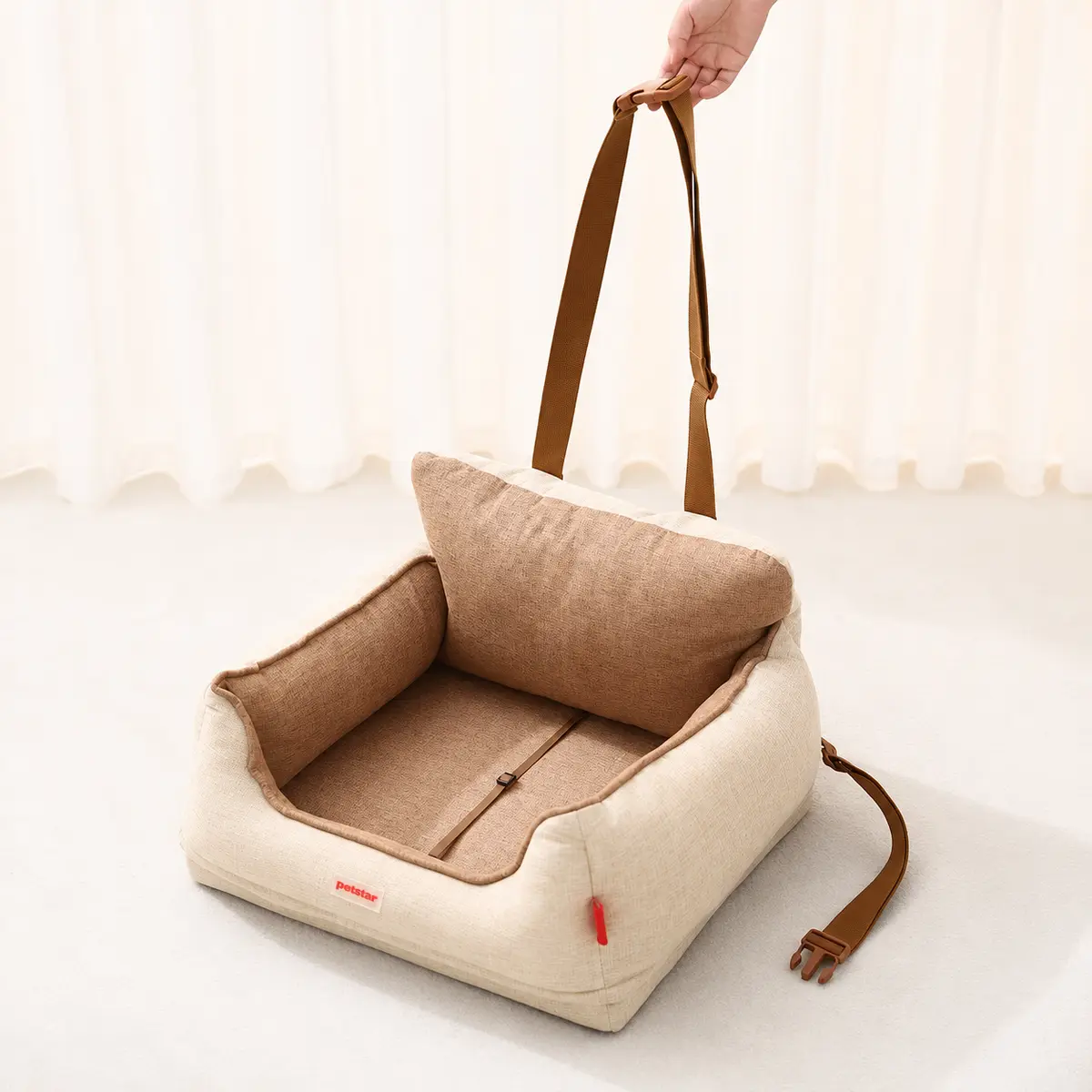
Backseat Car Bed for Small and Medium Dogs, Up to 44 lb
- Options
- 5 to choose from
$73.99
Free US shipping over $49 · 30-day free returns · Happy pets, happy homes
Pet care guidesDogs
Little things. Happy tails.
24 items picked for everyday life with your pet, with shipping estimates on every item.
 A happy life, one little thing at a time.
Dog booster seats
$73.99


Car seats for small dogs
From $92.99

Dog car seats
$62.99


Car seats for small dogs
From $29.99


Car seats for small dogs
From $41.99


Dog booster seats
From $76.99


Car seats for small dogs
$56.99


Car seats for small dogs
$95.99

Dog booster seats
$50.99


A little guidance
Buying guides and care advice written for this range: what to measure, what matters and what to skip.
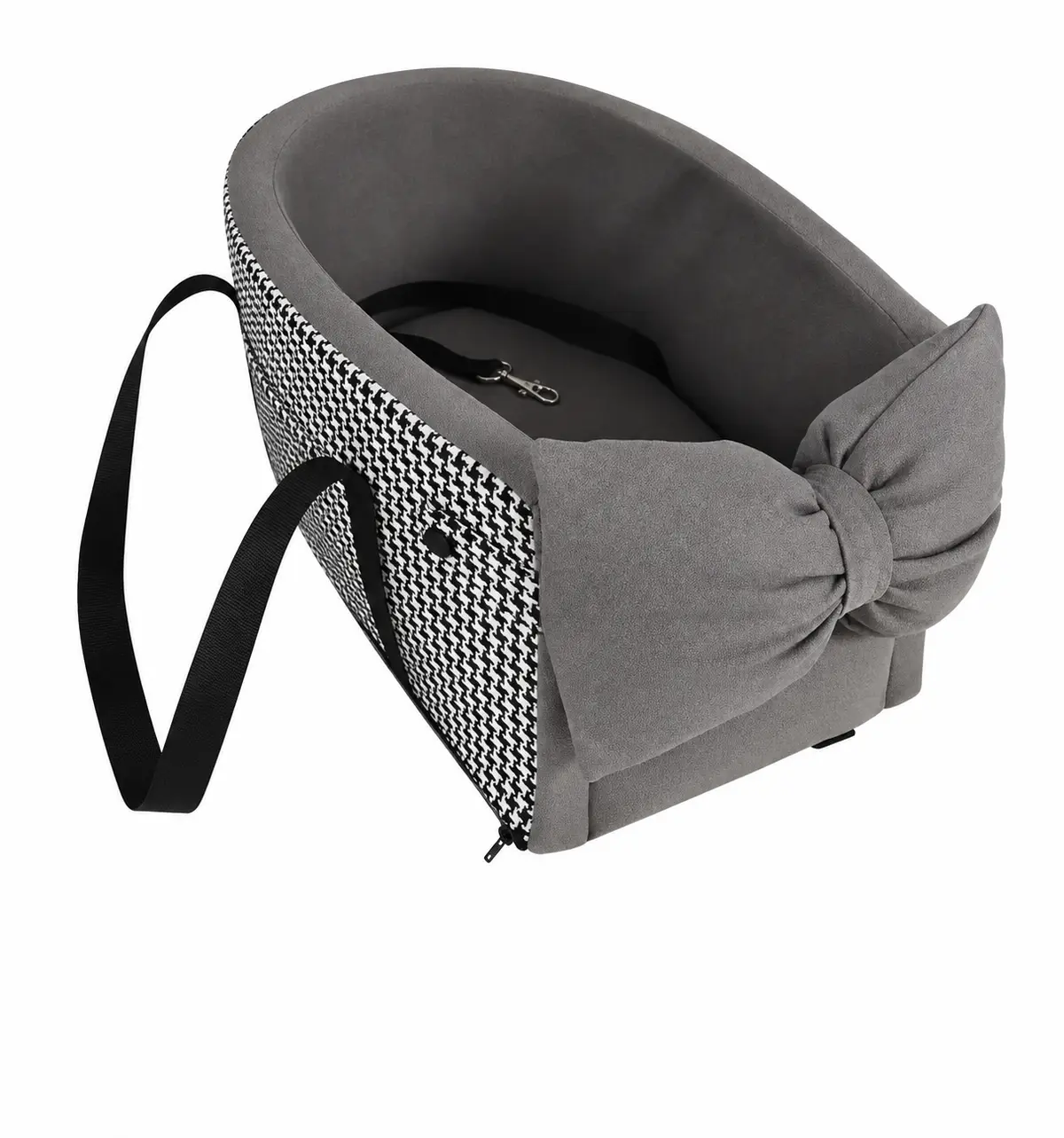
These are booster seats and car travel beds for dogs: padded and quilted booster seats, bolstered travel beds, cloud-style booster beds with tethers, booster seats that double as carriers, and a 3-in-1 carrier, bed and booster. Most are made for small and some medium dogs. The page is for owners who want their dog contained, comfortable and able to see out of the window on drives.
A booster seat raises a small dog to window height and keeps it in one place on the back seat. The American Kennel Club notes that dogs in a booster or seat-belt harness should face forward, since seeing where they are going may ease an upset stomach, and it recommends the back seat as the best place for dogs, away from airbags.
A loose dog can climb into the front, get under the pedals or distract the driver. A booster with a tether solves that for small dogs. It is about containment and comfort; for crash protection, look for restraints that have been independently crash tested.
Fasten the seat to the car using its headrest strap and by passing the car's seat belt through the loops or base, so it does not slide or tip on corners. Check it again after the first few drives, as straps loosen.
Clip the internal tether to a harness, never a collar, and adjust it so your dog can sit and lie down but cannot climb out or reach the front. The American Kennel Club advises keeping windows up enough that a dog cannot put its head out of a moving car.
Check the seat's weight limit and measure your dog curled up and sitting. A dog should be able to turn and lie down comfortably without hanging over the rim. Small breeds and puppies fit most boosters; for medium dogs, choose the larger travel beds with high bolsters.
Low-sided seats suit dogs that like to look out. Deep, bolstered beds suit dogs that sleep on long drives and feel safer enclosed. A carrier combo is handy if you often carry your dog from the car into a building.
Introduce the seat at home, then on short, pleasant drives before a long trip. Put a familiar blanket in it and offer a treat when your dog settles. Stop every couple of hours for water and a short walk.
Most seat covers are removable and washable. Never leave a dog in a parked car in warm weather, and talk to your vet if your dog drools, pants or vomits on every journey, since car sickness can often be helped.
They keep a small dog contained and away from the driver when strapped to the back seat with the tether on a harness. They are not a substitute for a crash-tested restraint.
It is best not to. The American Kennel Club says the back seat is the safest place for a dog, away from airbags and the driver.
Most booster seats are for small dogs, so check the weight limit. Your dog should be able to turn and lie down without hanging over the edge.
Always a harness. In a sudden stop, a tether on a collar puts all the force on your dog's neck, which can cause injury. Adjust the tether so your dog can sit and lie down but not climb out.
Most boosters are made for small dogs. Some larger bolstered travel beds suit lighter medium dogs, so check the stated weight limit and measure your dog lying down before you buy.