






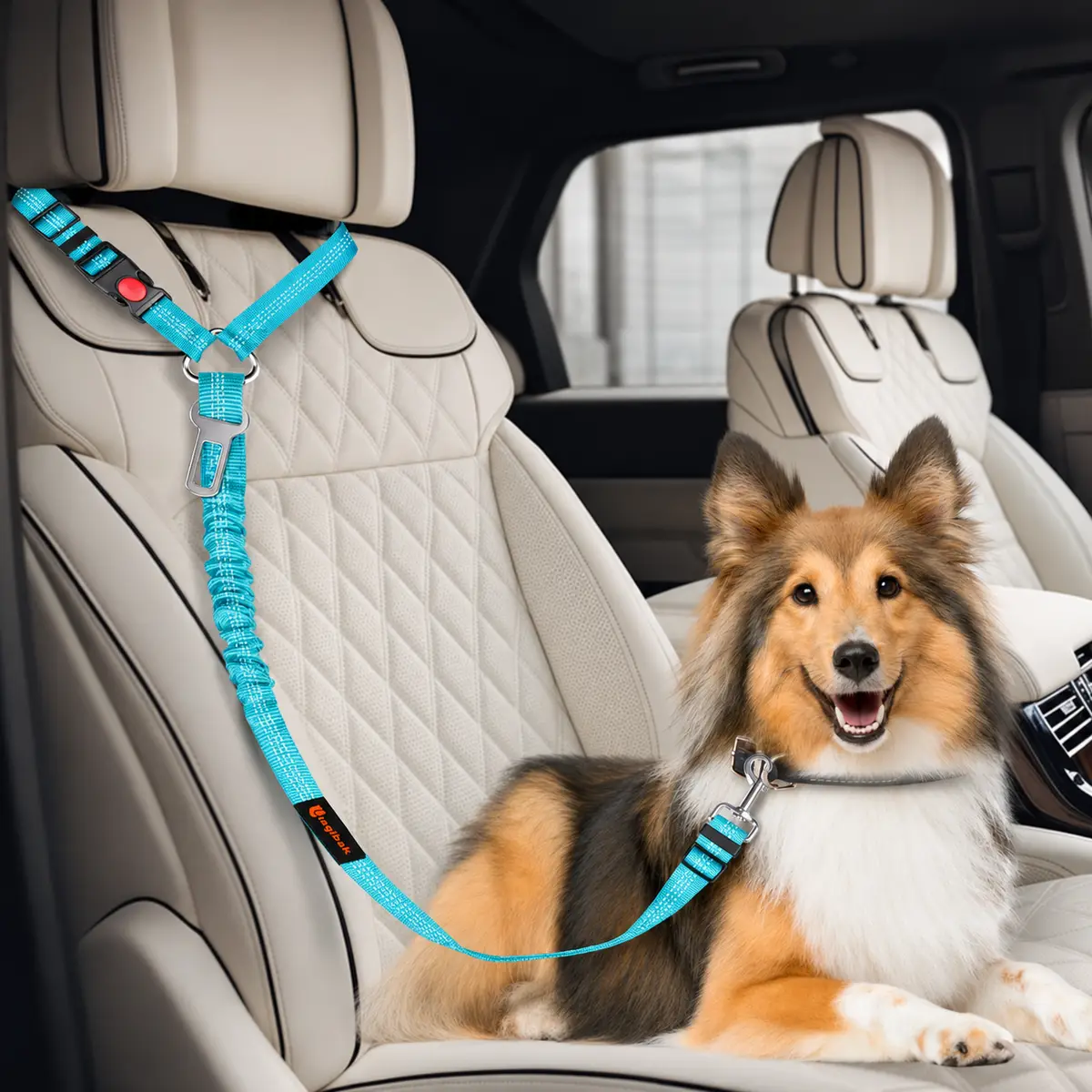
Dogs
Dog seat belts & car harnesses
Better walks, every day.
27 items picked for everyday life with your pet, with shipping estimates on every item.
 Out the door and ready for anything.
All dogs car & travel →Dog travel water bottles →Dog backpack carriers →Dog bike trailers →Dog car seat covers →Dog strollers →Dog car beds →Dog carriers →Travel dog bowls →Dog booster seats →Dog ramps for car →Dog car steps →Dog hiking backpacks →
↗Tracked US shippingEstimates on every item↶Returns & refundsHow it works♡Here to helpTalk to Giddy Pets
All dog seat belts & car harnesses
Little essentials. Lots of love.
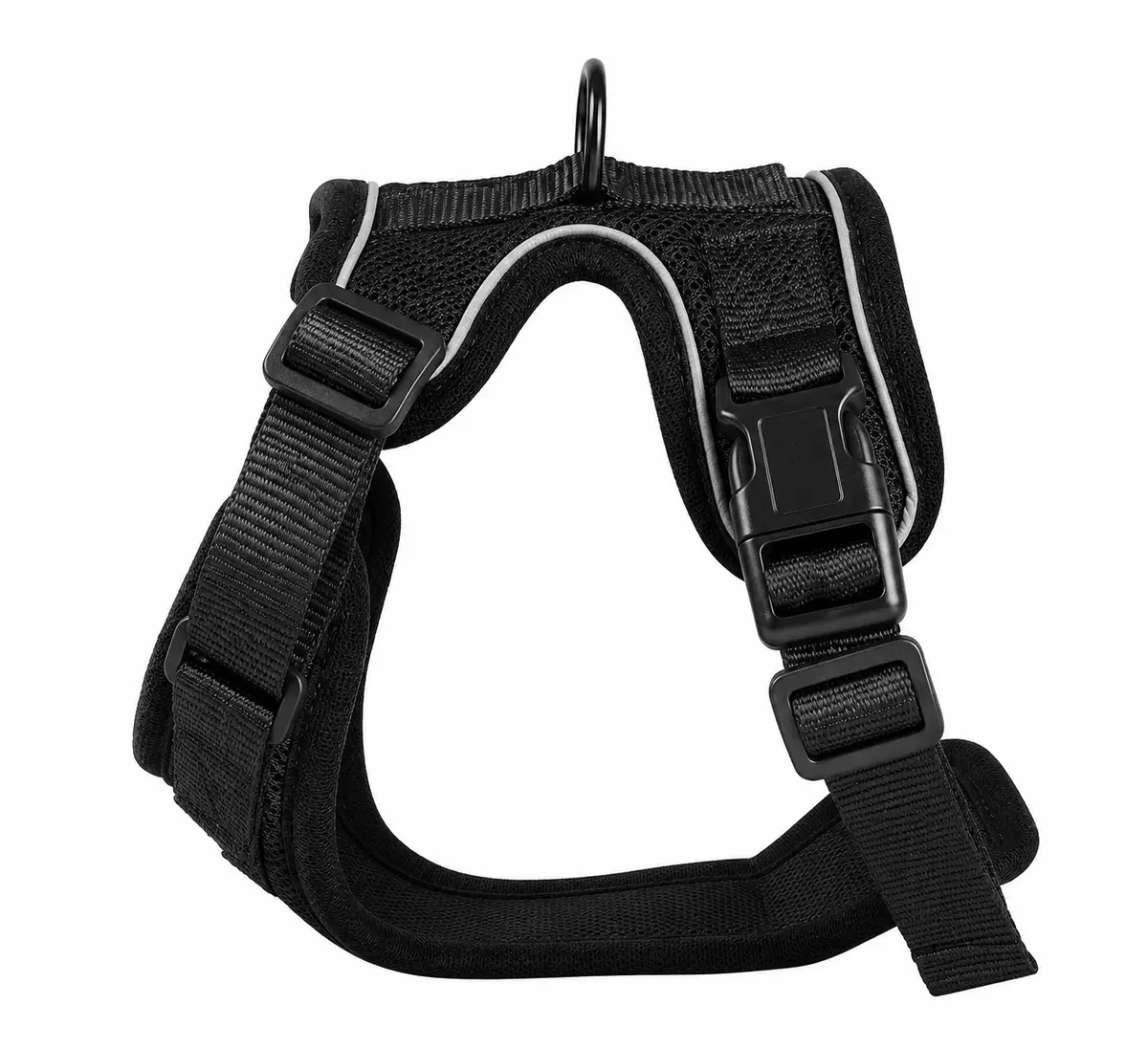
Escape proof cat harnesses
Adjustable Mesh Cat Harness with Leash and Strap Options
- Options
- 21 to choose from
From $12.99


Dog seat belts & car harnesses
Adjustable 1 in (25 mm) Dog Car Tether with Elastic Section
- Options
- 7 to choose from
From $13.99

Dog seat belts & car harnesses
Adjustable Dog Car Headrest Tether with Swivel Clip
- Options
- 5 to choose from
From $14.99

Dog seat belts & car harnesses
Adjustable Dog Car Seat Belt Strap with Snap Hook and Buckle Tongue
- Options
- 6 to choose from
From $13.99

Dog seat belts & car harnesses
Adjustable Dog Car Seat Belt Tether with Metal Clip
- Options
- 15 to choose from
From $10.99

Dog seat belts & car harnesses
Adjustable Dog Car Seat Belt Tether with Snap Hook
- Options
- 11 to choose from
From $11.99


Dog seat belts & car harnesses
Adjustable Dog Seat Belt Tether with Snap Clip
- Options
- 19 to choose from
From $11.99

Dog seat belts & car harnesses
Adjustable Nylon Dog Car Tether with Stretch Section, 20-33 in
- Options
- 17 to choose from
From $11.99


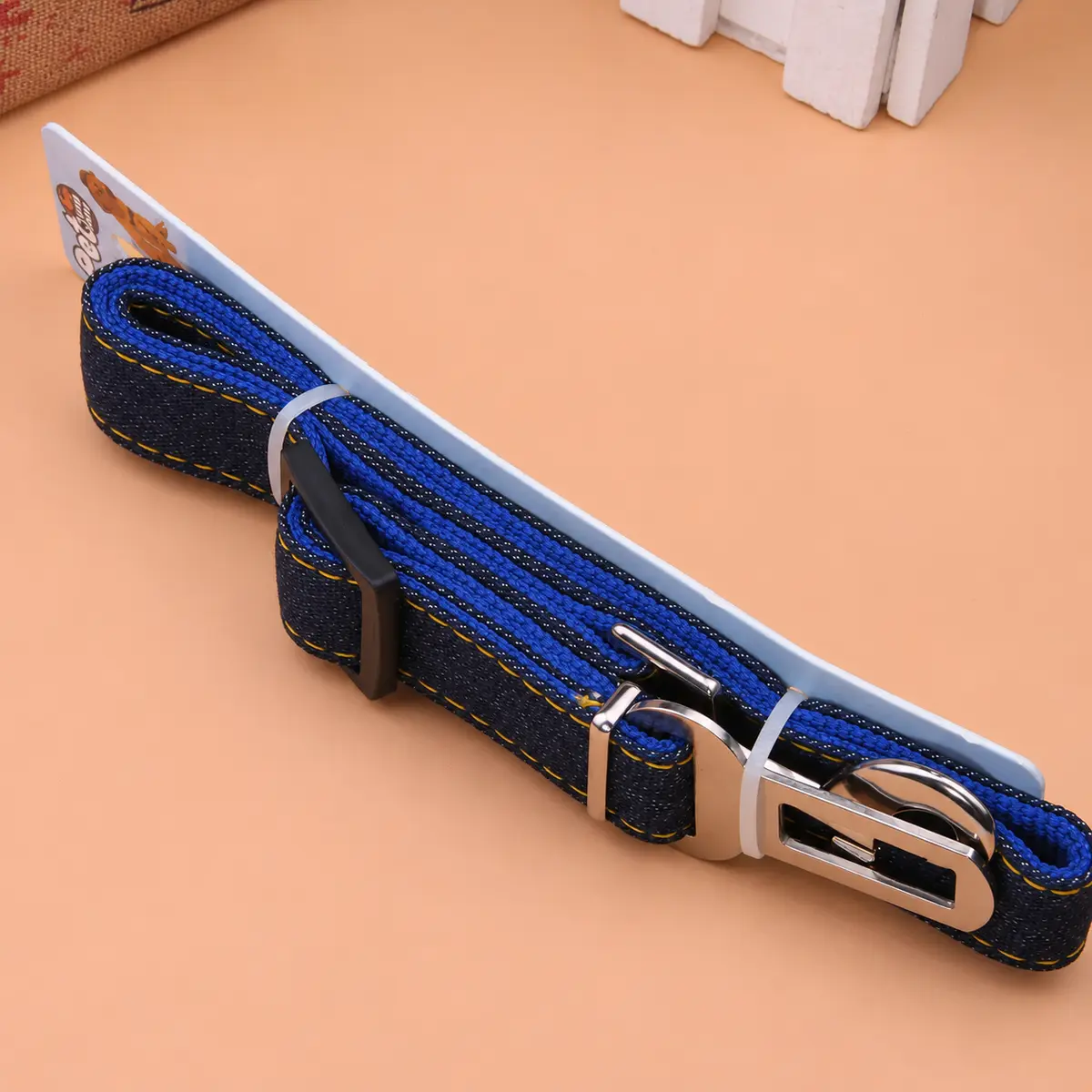
Dog seat belts & car harnesses
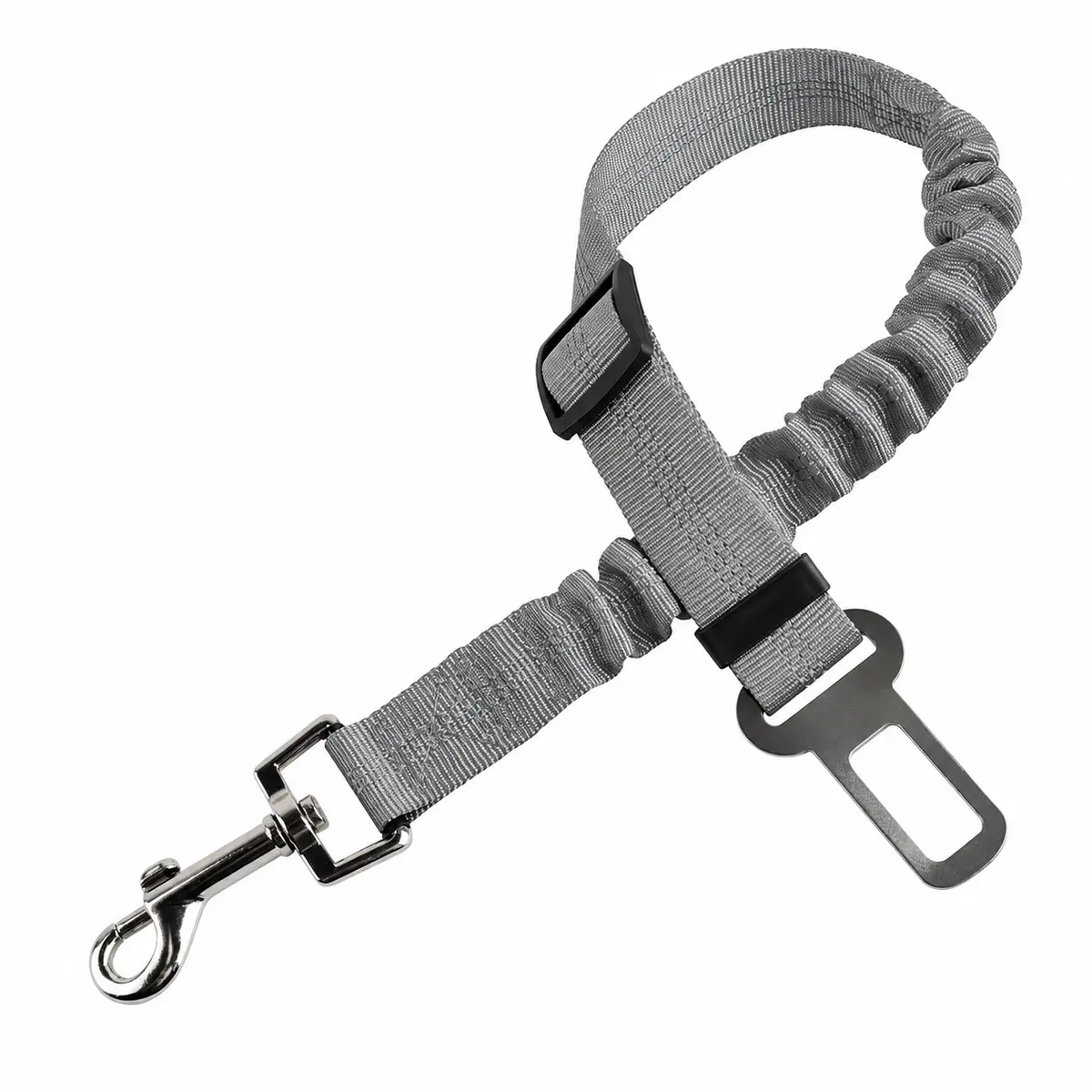
Contrast-Edge Dog Car Tether, 20-28 in (50-70 cm)
- Options
- 3 to choose from
$13.99

Dog seat belts & car harnesses
Dog Car Harness with Seat Belt Tether, Four Sizes
- Options
- 20 to choose from
$19.99

Dog seat belts & car harnesses
Elastic Dog Car Seat Belt Tether with Reflective Strip
- Options
- 10 to choose from
From $19.99

Dog seat belts & car harnesses
Nylon Dog Car Tether, Plain or Cushioned, 21-35 in
- Options
- 20 to choose from
From $19.99


Dog seat belts & car harnesses
Padded Dog Car Harness with Adjustable Straps
- Options
- 24 to choose from
$18.99

Dog seat belts & car harnesses
Padded Dog Car Harness with Seat Belt Tether, Blue Mesh
- Options
- 4 to choose from
$22.99

Dog seat belts & car harnesses
Polyester Dog Car Tether with Zinc-Alloy Clip, 21-30 in (53-75 cm)
- Options
- 8 to choose from
From $12.99
A little guidance
Help choosing dog seat belts & car harnesses
Buying guides and care advice written for this range: what to measure, what matters and what to skip.
From our guides
- Best Dog Car Seat or Seat Belt Harness: How to Choose →
- Do Dogs Need a Seatbelt? Safety and State Laws →
- How to Secure a Dog in a Car →
- Safest Dog Car Seat: What Actually Protects a Dog in a Crash →
- Best Dog Car Seat Covers: Hammock, Bench or Bucket? →
- Best Dog Car Seat for Medium Dogs: How to Choose Safely →
This page holds car restraints for dogs: adjustable seat belt tethers that click into the vehicle's buckle, headrest restraints that loop around the seat post, bungee tethers that soften sudden stops, a hands-free leash that converts to a seat belt tether, and a removable three-in-one car harness. Many come in packs of two. It is for owners who want their dog to stay on the back seat rather than roam the car.
Why restrain a dog in the car
A loose dog can climb into the driver's lap, get under the pedals or block the view, and in a sudden stop it becomes a projectile. The AKC recommends a crate or a seat belt harness for a dog's safety in the car, and advises against letting dogs ride with their heads out of the window or in the open bed of a pickup.
A restraint keeps your dog in one place on the back seat. It also stops a dog leaping out the moment a door opens at a gas station or busy parking lot, which is one of the commonest ways dogs are lost on trips.
Types in this range
Seat belt tethers are a short strap with a buckle tongue at one end that clicks into the car's seat belt receiver, and a clip at the other that attaches to your dog's harness. Headrest restraints loop around the headrest post instead, which helps in cars where the buckle is hard to reach.
Bungee tethers have an elastic section that absorbs jolts when your dog shifts or you brake. The four-in-one hands-free leash doubles as a car tether, and the three-in-one harness is designed to be worn on walks and then clipped into the car.
Always clip to a harness
Attach a car tether to a well-fitted harness, never to a collar. In a hard stop, a tether on a collar puts all the force on your dog's neck. A harness spreads that force across the chest. Fit the harness so you can slide two fingers under the straps.
Adjust the tether short. Your dog should be able to sit, stand and lie down, but not reach the front seats, the floor in front of the seat, or stick its head out of a window. A long tether can tangle around legs or let a dog fall into the footwell.
Back seat, not front
Keep your dog on the back seat. Front airbags deploy with enough force to injure a dog, even a large one, and a dog beside the driver is a distraction. A back seat cover or hammock under your dog protects the upholstery and gives them a non-slip surface to lie on.
For small dogs, a booster seat with a tether is an option; see our dog car seats page. For long trips, many owners prefer a travel crate secured to the vehicle, as the AKC suggests.
A tether or a crash-tested harness
The tethers here keep a dog contained and stop it roaming, which is what most owners need for everyday driving. They are not the same as a harness that has been independently crash tested for impact. If you drive on highways a lot, or have a large dog, look into crash-tested harnesses or a secured crate in addition to a basic tether.
Whatever you use, check buckles and stitching regularly, and replace any tether that is frayed or has a cracked clip.
Getting your dog used to riding restrained
Clip your dog in for short drives to good places first, like a park or a friend's house, and reward them for settling. Bring a familiar blanket. Most dogs relax once they learn that the car means the tether, then a walk.
Plan breaks every couple of hours on long trips for water and a bathroom stop, and never leave your dog in a parked car, even with the windows cracked. If your dog vomits, drools or pants heavily on every trip, ask your vet about car sickness.
Vehicle tether connection arrangements
| Arrangement | Where it connects | What to verify |
|---|---|---|
| Buckle-tongue tether | Vehicle belt receiver to harness clip | Compatibility with the exact vehicle and harness |
| Headrest loop | A loop around the headrest structure | The permitted attachment route |
| Bungee section | An elastic part within the tether | Actual length and operating instructions |
| Convertible leash/tether | One product changes use | The approved configuration in each mode |
| Walk-and-car harness | A body harness with a vehicle connection | Model-specific restraint evidence |
How do dog seat belts work?
A dog seat belt is a tether that clicks into the car's buckle or loops around the headrest, with a clip at the other end that attaches to your dog's harness.
Should a dog seat belt attach to a collar or harness?
Always a harness. Attaching to a collar puts all the force of a sudden stop on your dog's neck.
Are dog seat belts crash tested?
Most basic tethers are not crash tested; they keep a dog contained. For highway travel, consider an independently crash-tested harness or a secured crate.
Can my dog ride in the front seat with a seat belt?
It is safer to keep dogs on the back seat, because front airbags can injure them and they distract the driver.
How long should a dog car tether be?
Short enough that your dog can sit, stand and lie down, but cannot reach the front seats, the footwell or an open window.