







Dogs
Ceramic dog bowls
Mealtimes, made easy.
11 items picked for everyday life with your pet, with shipping estimates on every item.
 The right bowl makes every meal better.
All dogs bowls & feeding →Elevated dog bowls →Slow feeder dog bowls →Automatic dog feeders →Lick mats →Automatic dog water dispensers →Dog water bowls →Stainless steel dog bowls →No-spill dog water bowls →Dog water fountains →
↗Tracked US shippingEstimates on every item↶Returns & refundsHow it works♡Here to helpTalk to Giddy Pets
Find their favorites
Shop dog bowls by type
Choose a section to narrow the range.
All ceramic dog bowls
Little essentials. Lots of love.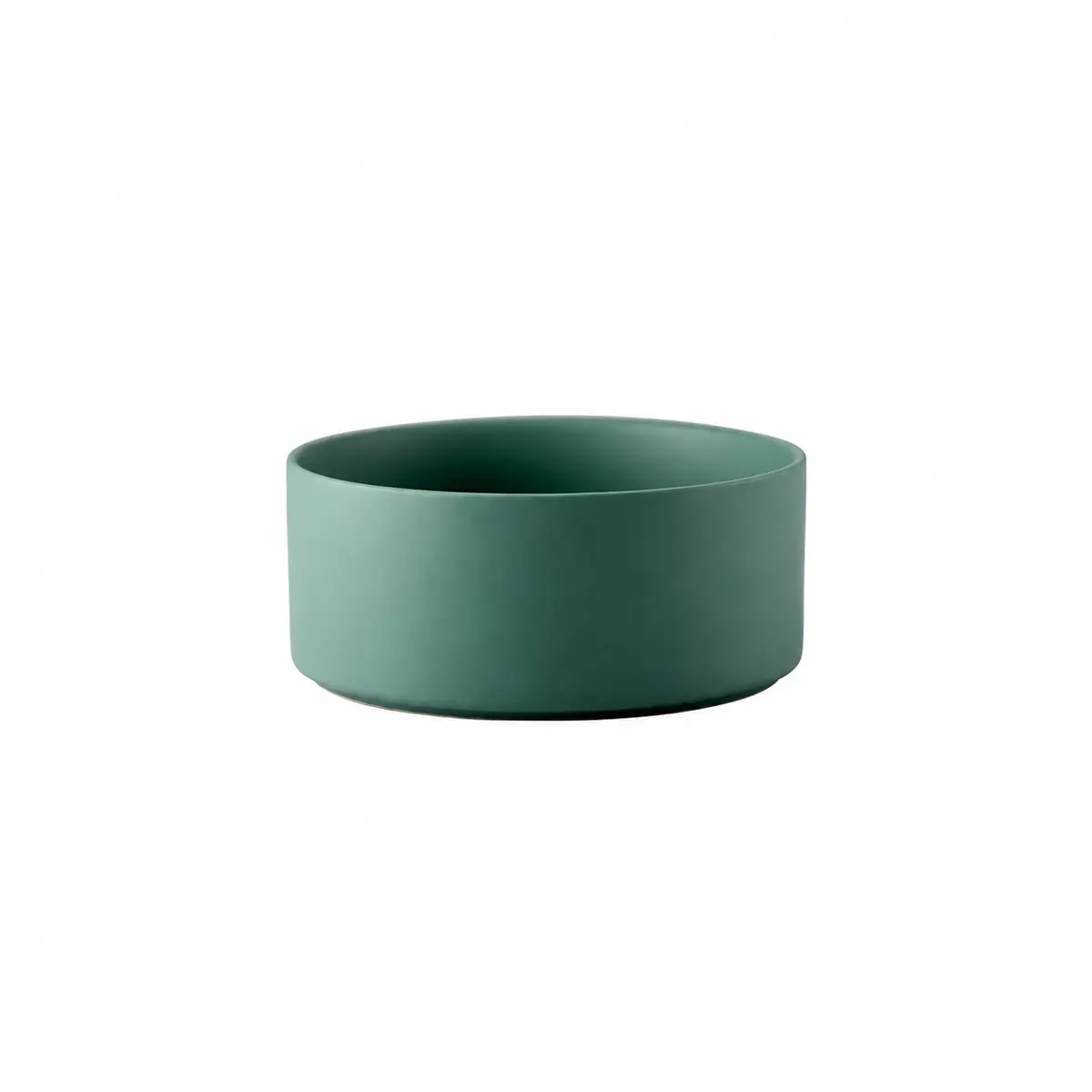
Dog bowls
Ceramic Pet Food Bowl, Single or Double with Wooden Stand
- Options
- 54 to choose from
From $21.99

Slow feeder dog bowls
Ceramic Slow Feeder Bowl for Cats and Dogs with Optional Wood Stand
- Options
- 6 to choose from
From $27.99

Elevated dog bowls
Bamboo Pet Bowl Stand with Ceramic or Steel Bowl Options
- Options
- 8 to choose from
From $21.99


Slow feeder dog bowls
Ceramic Slow Feeder Bowl with Bamboo Stand Options
- Options
- 14 to choose from
From $42.99


Dog bowls
Round Ceramic Pet Bowl with Lettered or Paw-Print Designs
- Options
- 9 to choose from
From $21.99

A little guidance
Help choosing ceramic dog bowls
Buying guides and care advice written for this range: what to measure, what matters and what to skip.
From our guides
- Ceramic vs Stainless Steel Dog Bowls: Which Is Best? →
- Best Dog Bowls for Large Dogs: Size, Stability and Eating Speed →
- Best Dog Bowl for Small Dogs: How to Choose →
- Best Dog Crate Water Bowls: How to Choose One That Works →
- Best Dog Food and Water Bowls: How to Choose the Right Set →
- Best Dog Water Bowl for Messy Drinkers: No-Spill Designs Compared →
This page narrows our dog bowls down to ceramic: a ceramic pet food bowl, double ceramic bowls set in a wooden stand, a raised ceramic double bowl stand, and a tip-proof ceramic bowl with a wooden stand. They are for owners who want a heavy bowl that will not slide, a look that suits the kitchen, and dogs who push lighter bowls around the floor.
Why choose ceramic
The AKC describes ceramic bowls as heavy, which helps prevent spills by dogs who play with their bowls, and notes that they should be non-toxic and food-grade. A heavy ceramic bowl stays put on the floor, which suits enthusiastic eaters and dogs who nudge or flip lighter bowls.
Ceramic also comes in shapes and finishes that look at home in a kitchen, and a glazed surface is smooth and easy to wipe.
The drawbacks
The AKC notes that ceramic will chip or break if dropped and is not always dishwasher safe. Chips and cracks in a glaze can hold bacteria and leave sharp edges, so inspect ceramic bowls regularly and replace any that are damaged.
Stainless steel is lighter and almost indestructible, which suits travel and outdoor use. Many owners use ceramic indoors and steel elsewhere.
Bowls on wooden stands
Double ceramic bowls in a wooden stand keep food and water side by side and off the floor, and the stand stops them sliding. A tip-proof bowl in a wooden base suits dogs who knock bowls over. The raised double stand lifts bowls a little higher for comfort.
If you have a large, deep-chested dog, ask your vet before using a raised bowl; the AKC notes that some studies have linked elevated bowls to a higher risk of bloat.
Sizing for your dog
Match bowl size to your dog's meal. A large dog needs a wide bowl that holds a full meal without spilling, while a small dog or flat-faced breed does better with a shallow bowl they can reach easily.
For water, the AKC's guideline is about one ounce per pound of body weight per day for adult dogs, so a large dog needs a big water bowl refilled often.
Cleaning
Wash food bowls after every meal if you feed wet or raw food, and daily for dry kibble, as the AKC advises, and clean water bowls every day. Hand wash unless the bowl is labeled dishwasher safe.
Wipe wooden stands with a damp cloth and dry them, since standing water can warp or stain wood. Lift the bowls out to clean underneath.
Choosing a safe ceramic bowl
Look for food-safe, lead-free glazes and buy from sources that state the bowl is made for pets or food. Avoid decorative ceramic not intended for food.
Check the rim and inside regularly. Replace any bowl with a chip, hairline crack or crazing in the glaze, and never let a dog chew on a broken piece.
Are ceramic dog bowls safe?
Yes, if they are food-grade with a lead-free glaze. Replace any bowl that chips or cracks.
Are ceramic bowls better than stainless steel?
Ceramic is heavier and resists sliding and tipping; steel is lighter, unbreakable and dishwasher safe. Both work.
Are ceramic dog bowls dishwasher safe?
Not always. The AKC notes ceramic is not always dishwasher safe, so check the label.
Do ceramic bowls stop dogs pushing them around?
Their weight helps, and bowls set in a wooden stand stay put even better.
What size ceramic bowl does a large dog need?
A wide, deep bowl that holds a full meal without spilling. Choose a large water bowl too.
Are ceramic bowls good for a dog with a sensitive stomach or allergies?
Ceramic does not change what your dog eats, but a smooth, intact glaze is easy to keep clean. If your dog has skin or stomach problems, wash bowls daily and ask your vet about diet rather than relying on the bowl.