







Dogs
Stainless steel dog bowls
Mealtimes, made easy.
40 items picked for everyday life with your pet, with shipping estimates on every item.
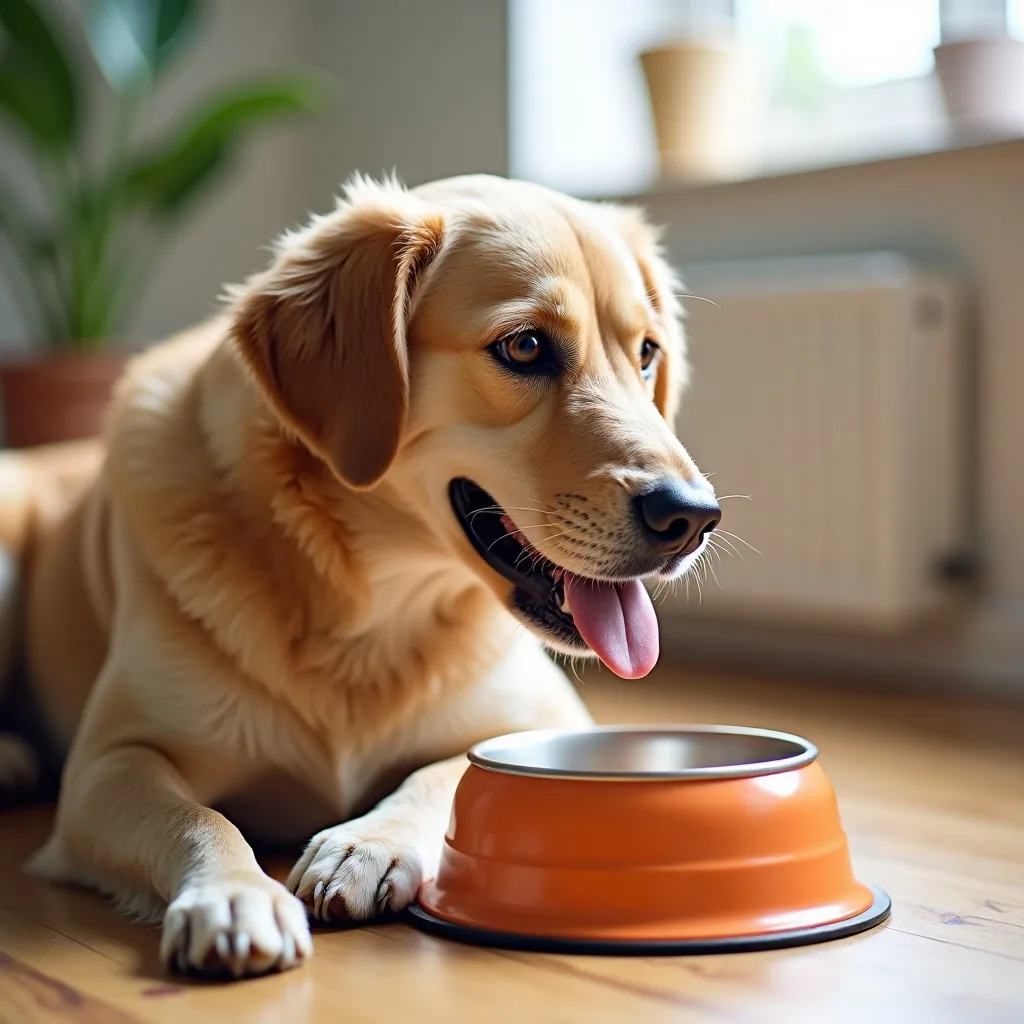 The right bowl makes every meal better.
All dogs bowls & feeding →Elevated dog bowls →Slow feeder dog bowls →Automatic dog feeders →Dog bowls →Lick mats →Automatic dog water dispensers →Dog water bowls →No-spill dog water bowls →Dog water fountains →
↗Tracked US shippingEstimates on every item↶Returns & refundsHow it works♡Here to helpTalk to Giddy Pets
All stainless steel dog bowls
Little essentials. Lots of love.
Stainless steel dog bowls
Double Stainless Steel Pet Bowl with Spill-Catching Tray
- Options
- 3 to choose from
From $29.99


Puppy essentials
Stainless Steel Puppy and Kitten Litter Weaning Bowl
- Options
- 4 to choose from
From $18.99


Stainless steel dog bowls
Non-Slip Stainless Steel Dog and Cat Bowl
- Options
- 12 to choose from
From $12.99


Slow feeder dog bowls
Stainless Steel Slow Feeder Bowl with Paw-Shaped Center
- Options
- 4 to choose from
From $18.99


Stainless steel dog bowls
Pet Feeding Station with Steel Bowl and 17 fl oz (500 mL) Water Bottle
- Options
- 6 to choose from
$28.99

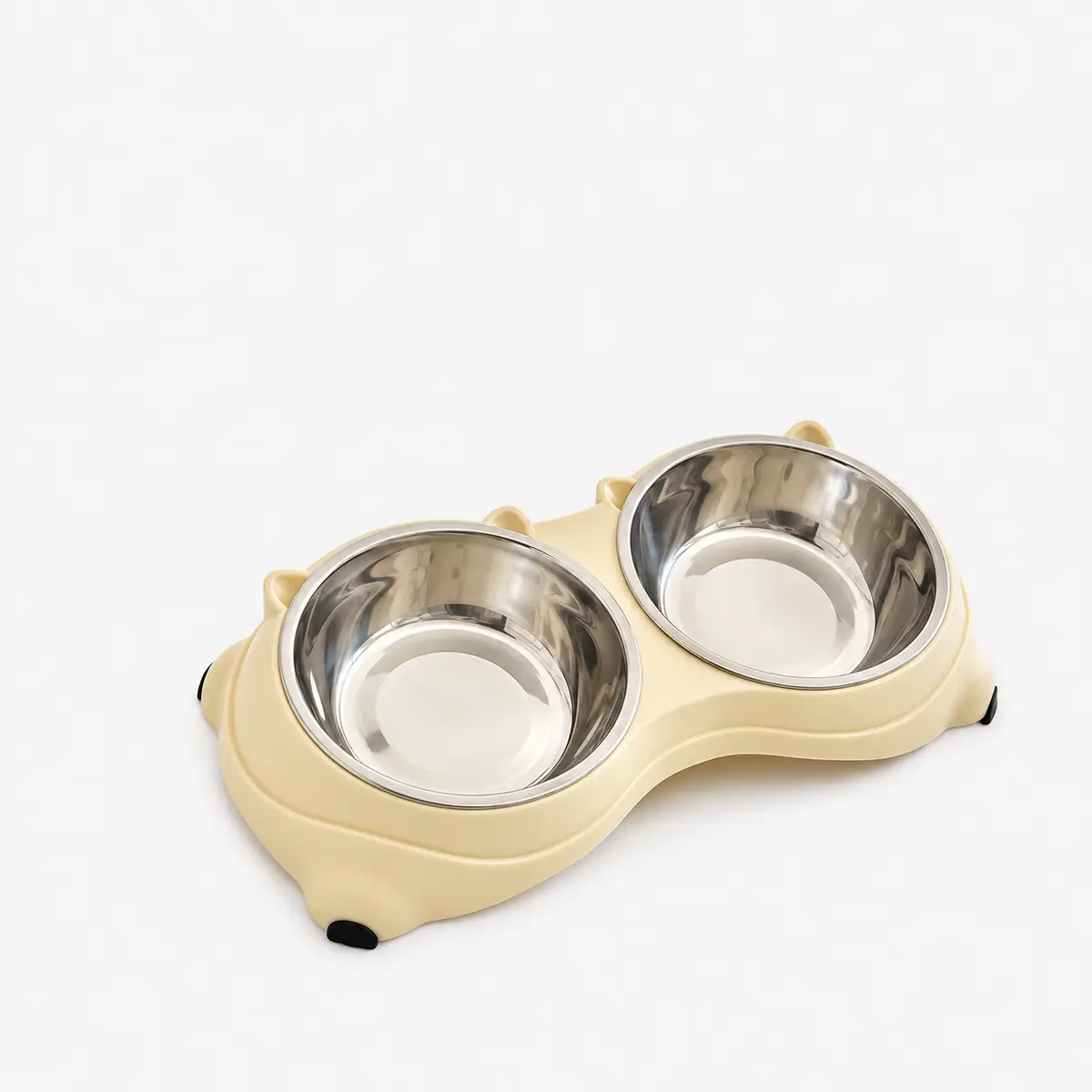


Stainless steel dog bowls
Round Stainless Steel Pet Bowl with Melamine Shell, 4 Sizes
- Options
- 24 to choose from
From $18.99
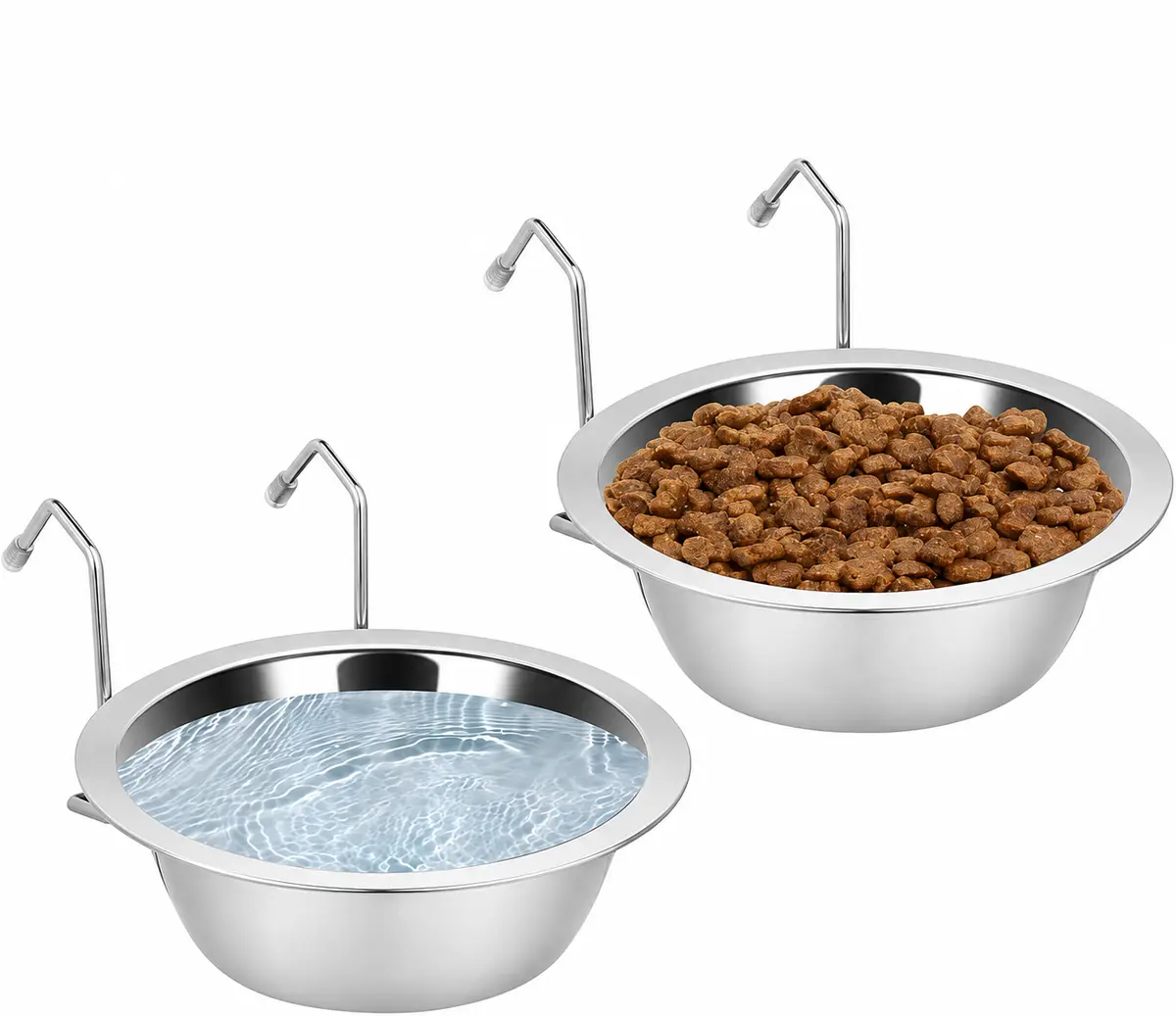


Stainless steel dog bowls
Stainless Steel Pet Bowl with Non-Slip Rubber Base
- Options
- 36 to choose from
From $17.99
A little guidance
Help choosing stainless steel dog bowls
Buying guides and care advice written for this range: what to measure, what matters and what to skip.
From our guides
- Ceramic vs Stainless Steel Dog Bowls: Which Is Best? →
- How Often Should You Wash Your Dog's Bowl? →
- Best Dog Bowl for Small Dogs: How to Choose →
- Best Dog Bowls for Large Dogs: Size, Stability and Eating Speed →
- Best Dog Crate Water Bowls: How to Choose One That Works →
- Best Dog Food and Water Bowls: How to Choose the Right Set →
Every bowl here is stainless steel: double bowls on heavy-duty and non-slip stands, raised bowl stands including one with storage, hanging kennel and crate bowls, a stainless slow feeder, a heated bowl, puppy and kitten weaning dishes, and removable bowl sets. It is for owners who want bowls that last, clean easily and do not hold smells.
Why stainless steel
The American Kennel Club describes stainless steel bowls as durable, easy to clean, dishwasher safe and not prone to leaching chemicals. Plastic scratches easily, and scratches trap bacteria and food residue; ceramic is heavy and attractive but can chip. Steel sidesteps both problems, which is why shelters and kennels use it.
The main drawback is weight. A plain steel bowl is light enough for an enthusiastic dog to push across the floor or tip over. That is why most bowls here come in a stand, a non-slip base or a hanging mount.
Double bowls and raised stands
A double bowl keeps food and water together and tidy, and a stand stops the bowls sliding. Raised stands lift both bowls, which some owners find more comfortable for tall or older dogs.
For large, deep-chested breeds, ask your vet before switching to a raised bowl. American Kennel Club guidance on choosing bowls links raised feeders with a higher risk of bloat in large breeds, although its bloat article describes the evidence as inconclusive. Fast eating is the clearer risk, which is what the stainless slow feeder in this range addresses.
Kennel, crate and weaning bowls
Hanging kennel bowls clip or bolt to the side of a crate or pen, so water cannot be tipped over during the day or on a car trip. Check the clamp suits your crate's wire spacing, and fill them less than full in a moving vehicle.
Weaning dishes are wide, shallow steel saucers that let a litter of puppies or kittens eat together without climbing in. The low sides suit flat-faced breeds and small adult dogs too.
Choosing the right size
The American Kennel Club advice is that a bowl should hold the whole meal and enough water, and that if you cannot refill water often, the bowl should hold a full day's supply. Match the opening to your dog's face, and use a narrow, deep bowl for long-eared breeds so the ears stay out of the food.
Small dogs and puppies manage best with shallow bowls they can reach into easily. For large dogs, a bigger capacity means fewer refills and less spilling as the level drops.
Cleaning and care
Wash bowls after every meal of wet or raw food and at least daily for kibble, and refill water daily. Stainless steel tolerates hot water and the dishwasher, and a paste of baking soda shifts stubborn residue.
Replace a bowl that is dented badly enough to trap food, or one with a rusty patch, which can indicate a lower grade of steel. Non-slip rubber bases can be pulled off for washing on most bowls.
Heated and puppy bowls
A heated stainless steel bowl keeps water from freezing in an unheated garage, porch or yard in winter. Keep the power cord out of reach of chewers and check it regularly for damage.
For puppies, wide, shallow steel dishes let several eat at once without climbing in, and are easy to sanitize between meals. As a puppy grows, move up to a bowl that holds a full meal, and add a non-slip base if it starts pushing the bowl around the kitchen.
Are stainless steel bowls best for dogs?
For most dogs, yes. The American Kennel Club notes they are durable, easy to clean and dishwasher safe. Choose a weighted or non-slip design if your dog pushes bowls around.
Do stainless steel dog bowls rust?
Good quality stainless steel resists rust in normal use. A bowl that develops rust spots is worth replacing, and drying bowls after washing helps them last.
Why does my dog not like his metal bowl?
Some dogs dislike the noise of tags clinking or a bowl sliding. A non-slip base, a stand or a feeding mat usually solves it. A heavier bowl also helps.
How do I clean a stainless steel dog bowl?
Wash with hot soapy water or in the dishwasher after meals. For residue or water stains, scrub with a paste of baking soda and water, then rinse well.