






Dogs
Dog bowls
Mealtimes, made easy.
68 items picked for everyday life with your pet, with shipping estimates on every item.
 The right bowl makes every meal better.
All dogs bowls & feeding →Elevated dog bowls →Slow feeder dog bowls →Automatic dog feeders →Lick mats →Automatic dog water dispensers →Dog water bowls →Stainless steel dog bowls →No-spill dog water bowls →Dog water fountains →
↗Tracked US shippingEstimates on every item↶Returns & refundsHow it works♡Here to helpTalk to Giddy Pets
Find their favorites
Shop dog bowls by type
Choose a section to narrow the range.
All dog bowls
Little essentials. Lots of love.

Stainless steel dog bowls
Double Stainless Steel Pet Bowl with Spill-Catching Tray
- Options
- 3 to choose from
From $29.99


Slow feeder dog bowls
Ceramic Slow Feeder Bowl for Cats and Dogs with Optional Wood Stand
- Options
- 6 to choose from
From $27.99

Travel dog bowls
Collapsible Double Travel Bowl with Raised-Edge Mat
- Options
- 4 to choose from
From $19.99
Automatic dog water dispensers
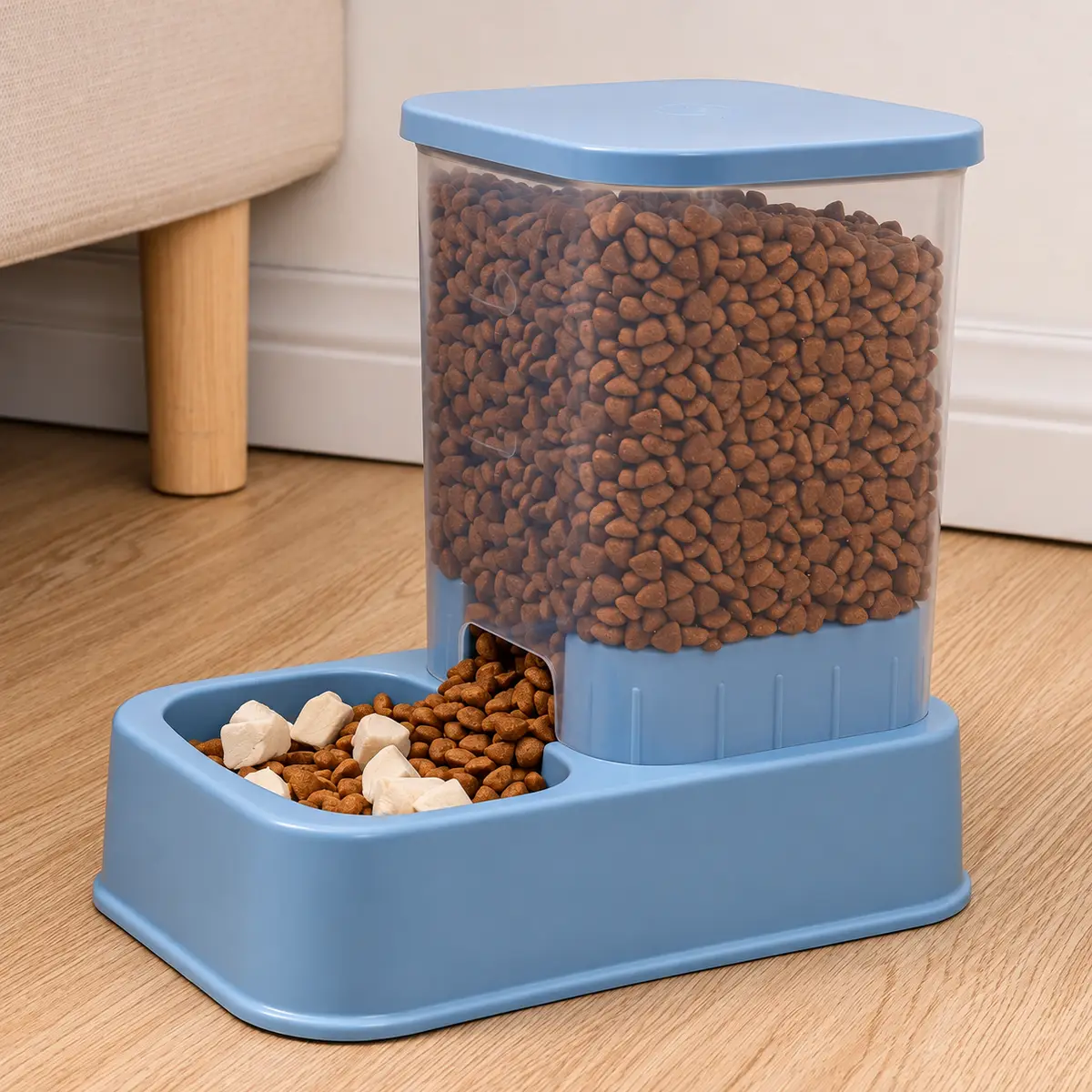
Individual Gravity Pet Food Feeder or Water Dispenser
- Options
- 8 to choose from
$21.99

Dog water bowls
Double Pet Bowl with Automatic Storage Tank, 12.6-Inch Tall
- Options
- 3 to choose from
$52.99
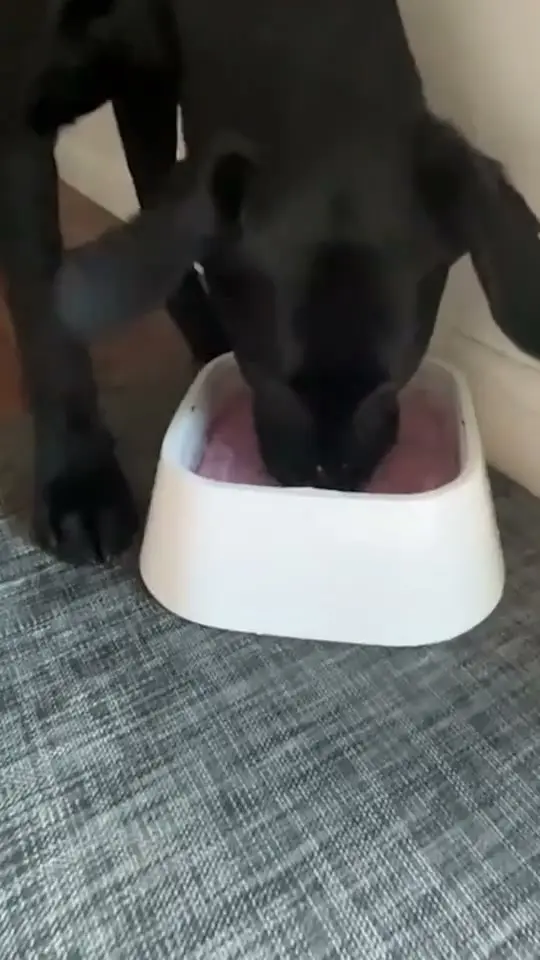
No-spill dog water bowls
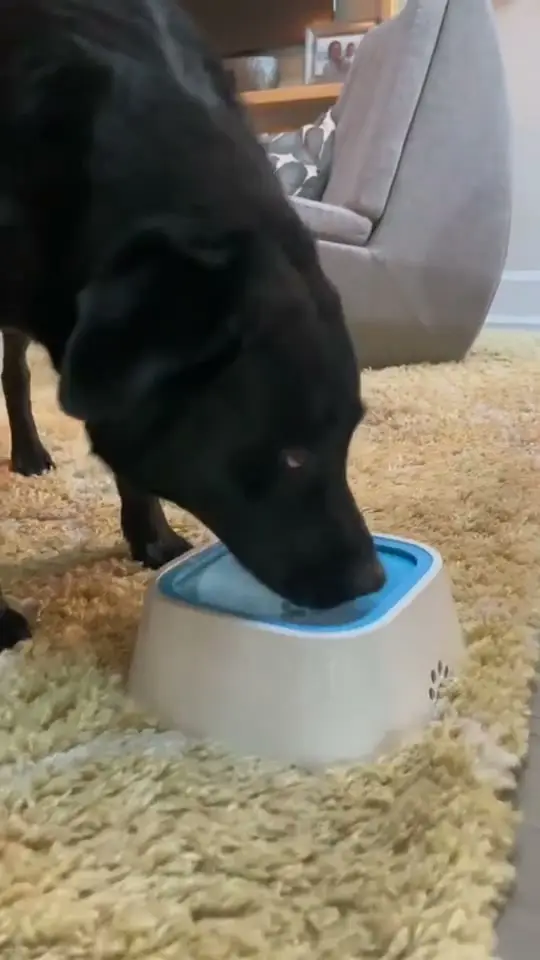
Floating-Plate Pet Water Bowl with Removable Top Frame
- Options
- 39 to choose from
From $35.99

Automatic cat feeders
Gravity Pet Feeder or Water Dispenser with Wide Bowl
- Options
- 9 to choose from
From $38.99

Dog travel water bottles
Wide-Opening Pet Drinking Cup with Separate Washable Parts
- Options
- 20 to choose from
From $17.99


Stainless steel dog bowls
Non-Slip Stainless Steel Dog and Cat Bowl
- Options
- 12 to choose from
From $12.99


Slow feeder dog bowls
Ceramic Slow Feeder Bowl with Bamboo Stand Options
- Options
- 14 to choose from
From $42.99


Automatic dog water dispensers
Tilt-Adjustable Pet Bowl Station with 20 fl oz (600 mL) Water Bottle
- Options
- 6 to choose from
From $23.99


Stainless steel dog bowls
Pet Feeding Station with Steel Bowl and 17 fl oz (500 mL) Water Bottle
- Options
- 6 to choose from
$28.99


A little guidance
Help choosing dog bowls
Buying guides and care advice written for this range: what to measure, what matters and what to skip.
From our guides
- Best Dog Bowls for Large Dogs: Size, Stability and Eating Speed →
- Best Dog Bowl for Small Dogs: How to Choose →
- Best Dog Crate Water Bowls: How to Choose One That Works →
- Best Dog Food and Water Bowls: How to Choose the Right Set →
- Best Dog Water Bowl for Messy Drinkers: No-Spill Designs Compared →
- Best Dog Water Bowl: How to Choose Material, Size and Style →
This hub gathers everything for mealtimes: raised and double stainless steel bowls, gravity feeder and water dispenser sets, absorbent and silicone feeding mats, a feeding station with storage, collapsible food storage containers, and measuring scoops. It is for anyone setting up a feeding spot for a new dog, or tidying up one that has become a puddle of water and scattered kibble.
Choosing a bowl material
Stainless steel is the practical default. It does not scratch easily, is dishwasher safe and does not hold odors, and the American Kennel Club notes that it is one of the easiest materials to keep clean. Plastic is light and cheap but scratches, and scratches hold bacteria; replace a plastic bowl once it is scored.
Silicone is used for feeding mats and collapsible travel bowls because it is flexible and grips the floor. For dogs that need slowing down, our Slow Feeder Dog Bowls page covers maze and lick-mat designs. Whatever the material, wash food bowls after every meal and water bowls daily.
Raised bowls and feeding stations
Raised bowls and double-bowl stands lift food and water off the floor, which many owners find tidier and which can suit tall dogs and older dogs that find bending awkward. Some stands here fold or have storage built in.
There is one caution. American Kennel Club guidance on bowl choice links raised bowls with a higher risk of bloat in large breeds, while its bloat article calls the evidence inconclusive; fast eating is the clearer risk factor. If you have a Great Dane, setter, Weimaraner or similar breed, ask your vet whether a raised feeder suits your dog.
Gravity feeders and water dispensers
A gravity water dispenser keeps a bowl topped up from a reservoir, which is useful in hot weather, in multi-pet homes and for short absences. Gravity food feeders do the same for kibble, but they suit dogs that graze sensibly; a dog that overeats will empty one in an afternoon.
Clean the reservoir as well as the bowl, at least weekly, and refill with fresh water rather than letting it sit. For dogs on a measured diet, meal feeding from a bowl with a scoop is easier to control than free feeding.
Mats, storage and measuring
A feeding mat under the bowls catches spilled water and kibble and stops bowls sliding across the floor. Absorbent fabric mats soak up the splashes from messy drinkers, while silicone mats are waterproof and wipe clean, and raised edges keep water off the floor.
Store kibble in a sealed container to keep it fresh and away from pests, ideally keeping the original bag inside so you have the batch details if there is ever a recall. A graduated measuring scoop makes it easier to feed the amount the label or your vet recommends, which matters more for weight than any bowl.
Bowls for puppies and multi-dog homes
Puppies do well with shallow, heavy bowls they cannot tip, and a feeding spot away from foot traffic. Wide, low bowls also suit flat-faced breeds, which can struggle with deep bowls.
In a multi-dog home, give each dog its own bowl and feed them apart if one eats faster or guards food. Water can be shared, but a second water bowl in another room prevents one dog blocking access. Wash every bowl in the house on the same routine so none is forgotten.
What is the best material for dog bowls?
Stainless steel is the easiest to keep clean and the most durable. Replace plastic bowls once scratched, and wash any food bowl after each meal.
Are raised dog bowls good or bad?
They can be more comfortable for tall and older dogs, but American Kennel Club guidance links them with higher bloat risk in large breeds, so ask your vet before using one for a deep-chested dog.
How often should I wash my dog's bowls?
Wash bowls after every meal of wet or raw food, at least daily for kibble, and refill and wash water bowls daily. Clean gravity reservoirs and feeding mats weekly, or sooner if they look slimy.
How do I stop my dog spilling water?
Put a waterproof or absorbent mat under the bowl, choose a heavier non-tip bowl, and consider a raised stand so the bowl cannot be pushed around.
What size bowl does my dog need?
The American Kennel Club advises a bowl that holds the whole meal, and a water bowl big enough for a full day if you cannot refill often. Match the opening to your dog's face.