







Dogs
Winter coats for small dogs
Ready for any weather.
15 items picked for everyday life with your pet, with shipping estimates on every item.
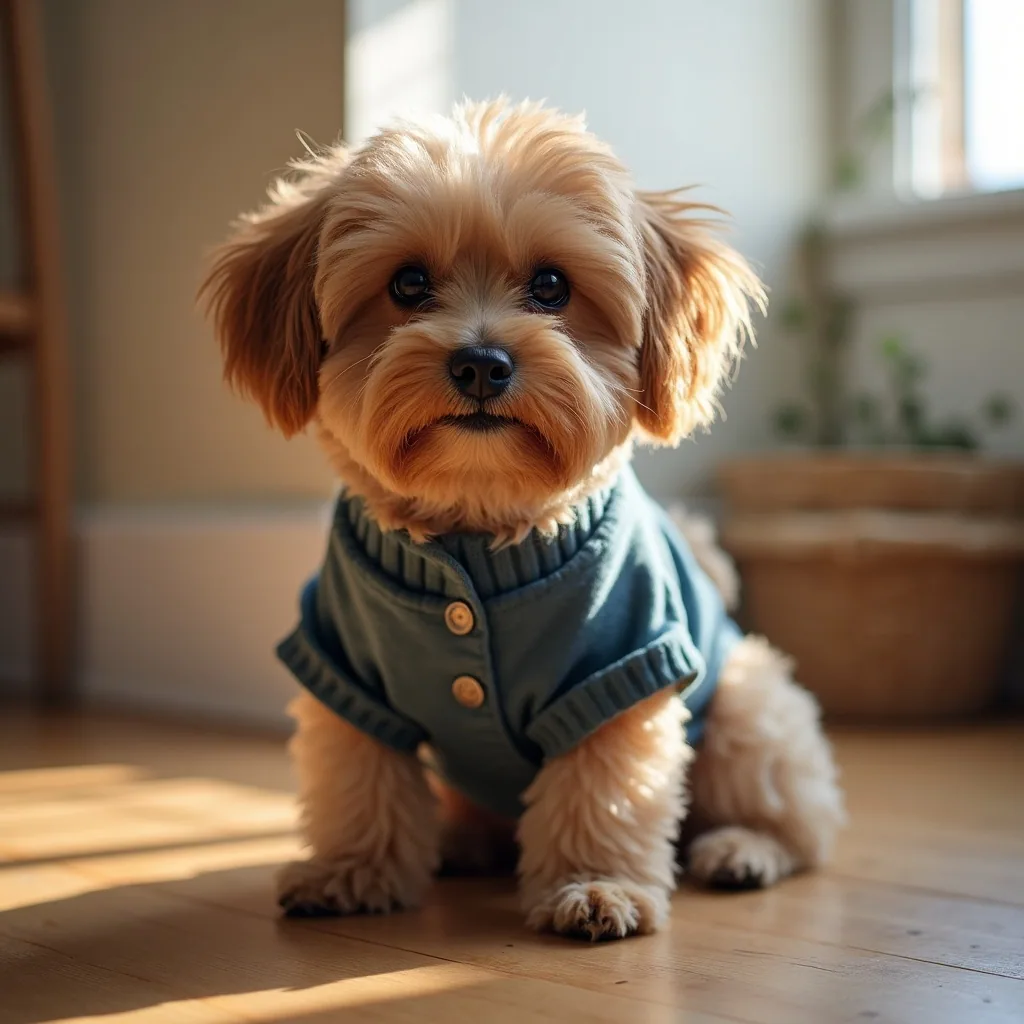 Snug, dry and looking the part.
All dogs clothing & boots →Dog winter coats →Dog sweaters →Dog clothes →Dog bandanas →Dog shoes & boots →Dog hoodies →Dog raincoats →Dog shirts →Funny dog costumes →Dog bathrobes & drying coats →Dog dresses →Waterproof dog boots →
↗Tracked US shippingEstimates on every item↶Returns & refundsHow it works♡Here to helpTalk to Giddy Pets
All winter coats for small dogs
Little essentials. Lots of love.


Winter coats for small dogs
Hooded Parka-Style Dog Coat with Two Back Pockets
- Options
- 13 to choose from
From $19.99


Dog winter coats
Padded Four-Leg Dog Winter Suit in Camo and Solid Colors
- Options
- 87 to choose from
From $22.99


Dog winter coats
Padded Winter Pet Coat and Hat for Small Dogs and Cats
- Options
- 4 to choose from
From $18.99


A little guidance
Help choosing winter coats for small dogs
Buying guides and care advice written for this range: what to measure, what matters and what to skip.
From our guides
- Best Winter Coats for Dogs: How to Choose a Warm One That Fits →
- Do French Bulldogs Shed? Moderately: Coat Care Tips →
- Best Brush for Doodles: How to Keep a Curly Coat Mat-Free →
- Best Brush for Huskies: How to Choose Tools for a Double Coat →
- Best Dog Boots for Winter and Snow: What to Look For →
- Best Dog Brushes: How to Choose One for Your Dog's Coat →
This page narrows our Dog Clothes range to winter coats for small dogs: warm, waterproof small dog jackets designed to keep little dogs dry and cozy on cold walks. They suit Chihuahuas, Dachshunds, Italian greyhounds, French bulldogs, toy poodles and other small or short-coated breeds that feel the cold quickly. The guide below covers which dogs need a coat, how to measure and how to tell if your dog is too cold or too warm.
Why small dogs feel the cold
Small dogs lose body heat faster than large dogs because they have more skin surface relative to their body size, and they sit closer to cold, wet ground. Short-coated and lean breeds, such as Chihuahuas, Italian greyhounds, whippets and Miniature pinschers, have little insulation of their own.
Puppies, senior dogs and dogs who are underweight or unwell are also more sensitive to cold. Signs your dog would like a coat include shivering, lifting paws off the ground, hunching, walking slowly or refusing to go out at all.
Measuring a small dog for a coat
The AKC recommends three measurements: back length along the spine from the base of the neck to the base of the tail, chest girth around the widest part of the rib cage just behind the front legs, and neck girth where the collar sits. Measure with your dog standing.
Small breeds vary widely in shape. Dachshunds need a long back and narrow chest, while French bulldogs need a deep chest and short back, so compare all three numbers to the size chart rather than choosing by weight. If your dog falls between sizes, choose the larger one.
Warm and waterproof features
A waterproof outer shell keeps rain and snow off, which matters because a wet coat chills a small dog fast. A warm inner lining traps body heat. Look for adjustable fastenings at the chest and neck so the coat sits snugly without gaps that let cold air in.
A harness opening lets you clip the lead to a harness underneath. Reflective trim adds visibility on dark winter afternoons. Belly coverage helps low-slung breeds whose undersides brush through snow and slush.
Comfort and safety in a coat
A coat should let your dog walk, sit and toilet freely. Check under the front legs after the first few wears for rubbing. Take the coat off indoors once your dog is warm, because dogs can overheat inside a heated home.
Very cold weather still limits outdoor time for small dogs, coat or not. Keep winter walks shorter, wipe paws after salted sidewalks, and dry your dog and the coat when you get home. Our dog paw balm page has options for protecting pads in winter.
Do small dogs need winter coats?
Many do, especially short-coated, lean, senior and toy breeds. They lose heat quickly and sit close to cold ground. Shivering or reluctance to walk suggests your dog needs a coat.
How do I measure my small dog for a coat?
Measure back length from the base of the neck to the base of the tail, chest girth behind the front legs, and neck girth. Compare all three to the size chart.
What coat is best for a Dachshund?
Choose a coat cut for a long back and narrow chest, with belly coverage for snow. Measure back length carefully, since standard sizes may be too short.
Should my dog wear a coat indoors?
Usually not. Take the coat off once your dog is warm inside, because a heated home can make a coated dog overheat. Hairless dogs in cold rooms may benefit from a light sweater.
How cold is too cold for a small dog?
Small and short-coated dogs can feel uncomfortable once temperatures drop toward freezing. Keep walks shorter in cold weather, use a coat and watch for shivering or lifting paws.