






Dogs
No pull dog leashes
Little things. Happy tails.
4 items picked for everyday life with your pet, with shipping estimates on every item.
 A happy life, one little thing at a time.
All dogs walking & training →Dog harnesses →Dog collars →Dog leashes →Retractable dog leashes →Dog muzzles →Dog vest harnesses →Cute dog collars →Tactical dog harnesses →Pooper scoopers →No pull dog harnesses →Personalized dog collars →Small dog harnesses →
↗Tracked US shippingEstimates on every item↶Returns & refundsHow it works♡Here to helpTalk to Giddy Pets
All no pull dog leashes
Little essentials. Lots of love.

Heavy duty dog leashes
Stretchy Polyester Dog Leash in Five Colors
- Options
- 15 to choose from
From $32.99

Dog training
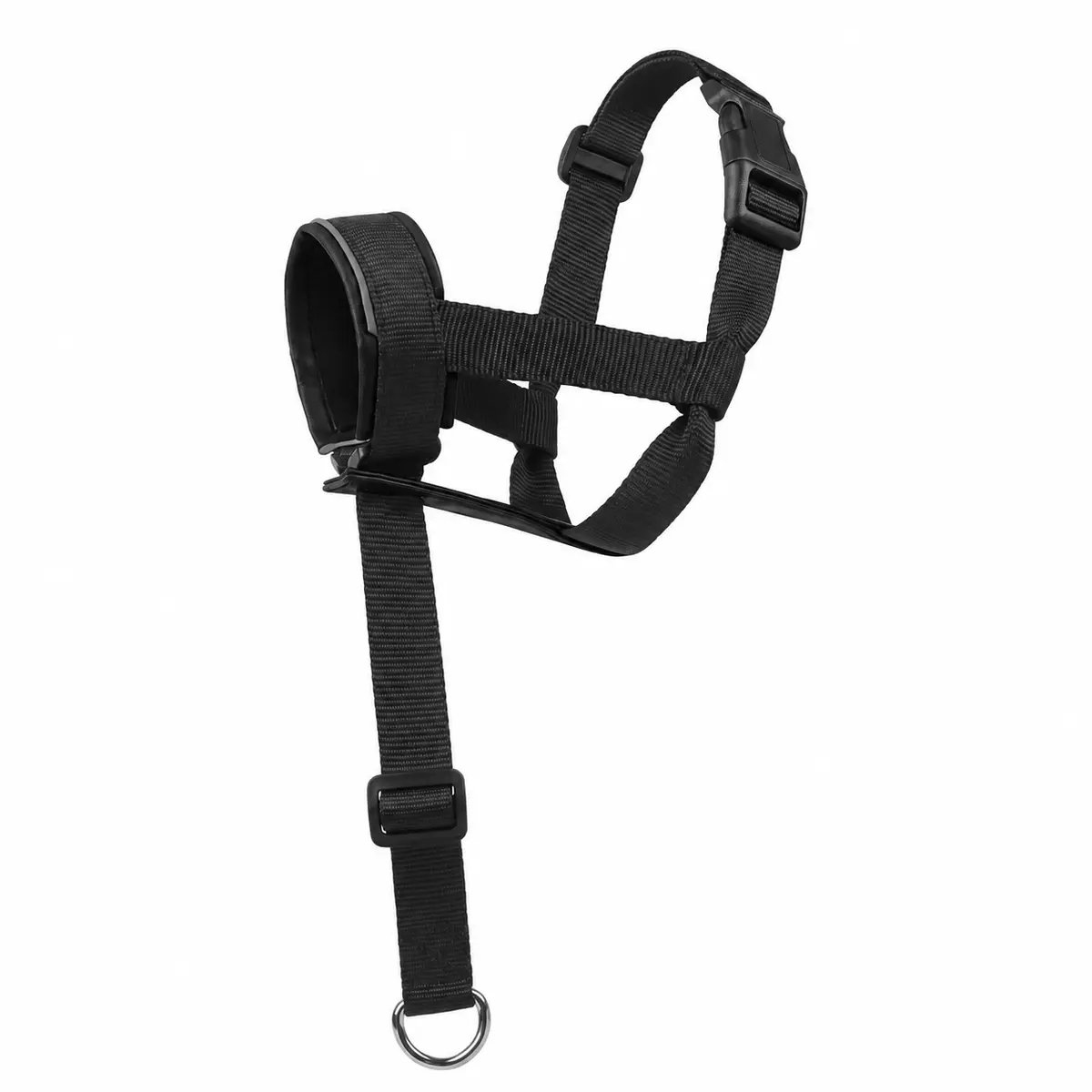
Nylon Dog Head Halter with Padded Nose Loop, Sizes S to XL
- Options
- 12 to choose from
$16.99
A little guidance
Help choosing no pull dog leashes
Buying guides and care advice written for this range: what to measure, what matters and what to skip.
From our guides
This page narrows our dog leashes down to tools for dogs who pull: shock-absorbing bungee leashes, a bungee leash with two padded handles, a tactical bungee leash, a reflective bungee leash, and padded anti-pull head halters. It is for owners of strong pullers, lungers and excitable young dogs who want walks that do not hurt their shoulders, while they teach loose-leash walking.
What no-pull tools do
No leash can stop a dog from pulling by itself; pulling is learned, and walking nicely is taught. What these tools do is make pulling less effective and less painful while you train. A bungee absorbs the jolt; a head halter gently turns the dog's head toward you when they forge ahead.
Combined with rewarding a loose leash, they make walks safer and calmer, and the habit fades. Our dog leashes page covers the full range for dogs who already walk nicely.
Bungee leashes
A bungee leash has an elastic section that stretches when your dog lunges and recoils gently. It protects your arm and shoulder and your dog's neck from sudden stops. Two-handle designs add a short handle near the clip, so you can hold your dog close when passing people or other dogs.
Tactical bungee leashes use heavier webbing and hardware for big dogs, and reflective bungees help on early morning and evening walks.
Head halters
A head halter fits over the nose and behind the ears, with the leash clipped under the chin. When the dog pulls, the halter turns its head, so it cannot lean its full weight into the leash. Padded halters reduce rubbing on the muzzle.
Head halters must be introduced gradually with treats, so the dog accepts the nose loop. Never jerk the leash on a halter, and do not use one with a long retractable leash, since a sudden stop can twist the neck.
Fitting a halter or harness
Fit the head halter so the nose loop is snug but can slide toward the eyes no further than it is designed to, and the neck strap sits high behind the ears. Follow the sizing guide for your dog's breed and muzzle shape. Flat-faced breeds often do better with a front-clip harness.
For a harness, the AKC advises leaving room for two fingers under the straps, and choosing the larger size if your dog falls between sizes.
Teaching loose-leash walking
Reward your dog with a treat and praise every time the leash is slack and they are by your side. When they pull, stop and wait; walk on again only when the leash loosens. Change direction often to keep their attention on you.
Practice in quiet places before busy ones, and keep sessions short. A tired, well-exercised dog learns more easily, and consistency from everyone who walks the dog matters most.
When to get help
If your dog lunges at other dogs, people or cars, barks or snaps, that is reactivity rather than simple pulling, and a qualified trainer or behaviorist using positive methods can help.
A dog that suddenly starts pulling less, limps or resists its harness may be sore. Check with your vet.
What is the best leash for a dog that pulls?
A shock-absorbing bungee leash paired with a front-clip harness or head halter, plus rewarding a loose leash.
Do no-pull leashes really work?
They reduce the force and effect of pulling while you train. Loose-leash training is what changes the habit.
Are head halters safe for dogs?
Yes when fitted correctly and introduced gradually. Never jerk the leash or use one with a retractable leash.
What is a bungee dog leash?
A leash with an elastic section that stretches to absorb the jolt when a dog lunges.
How long does it take to stop a dog pulling?
It varies, but with consistent daily practice many dogs improve within a few weeks.