Buying guides
Best Hands-Free Dog Leash: How to Choose for Running
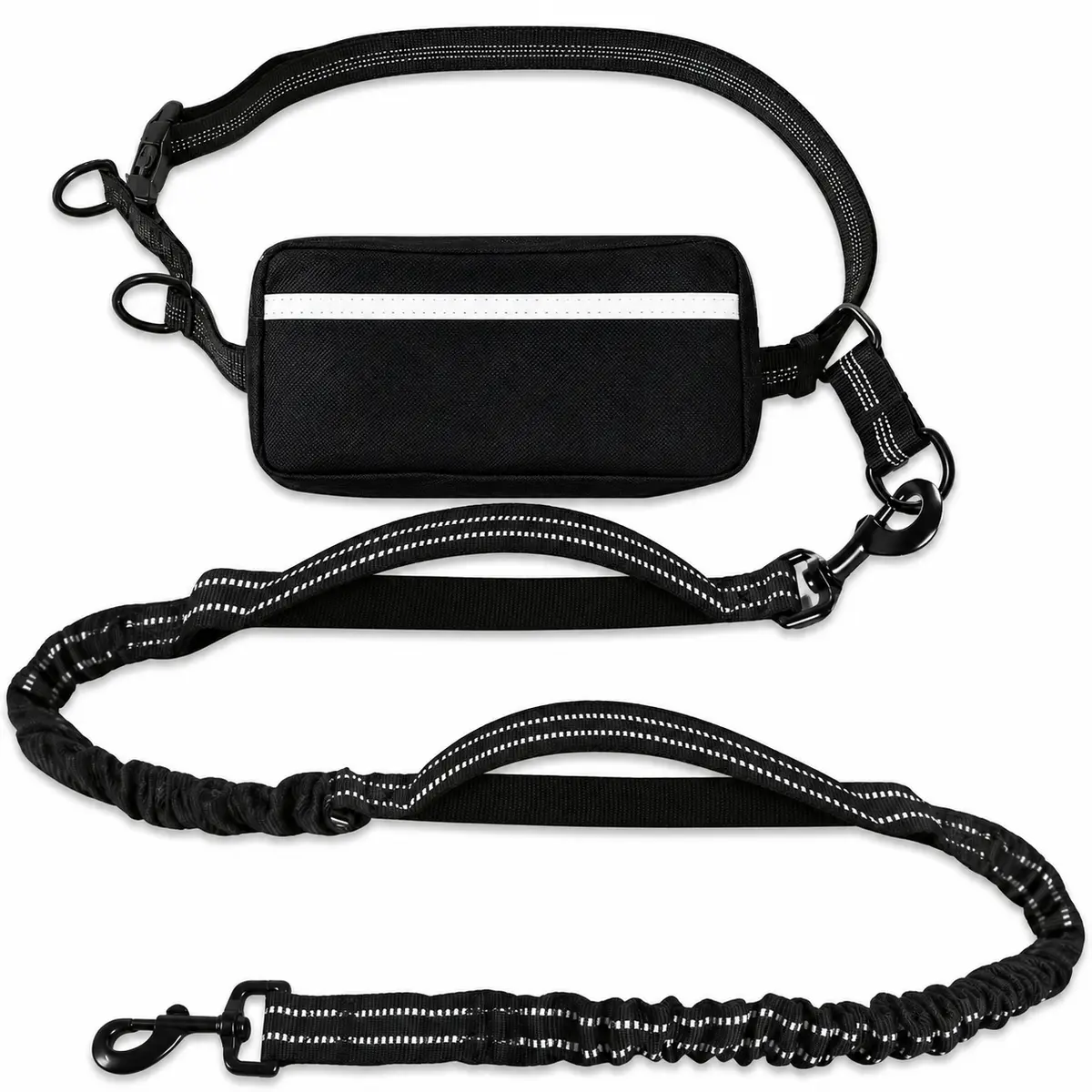
A good hands-free leash has a padded, adjustable waist belt, a shock-absorbing bungee section, a length of about 4 to 6 feet, and a quick-release or handle so you can take control fast. The AKC notes hands-free leashes help when you need two hands, such as running or hiking. Clip it to a harness, not a collar, and only once your dog walks on a loose leash.
By Matt GarnettUpdated November 14, 20263 min read2 sources
How hands-free leashes work
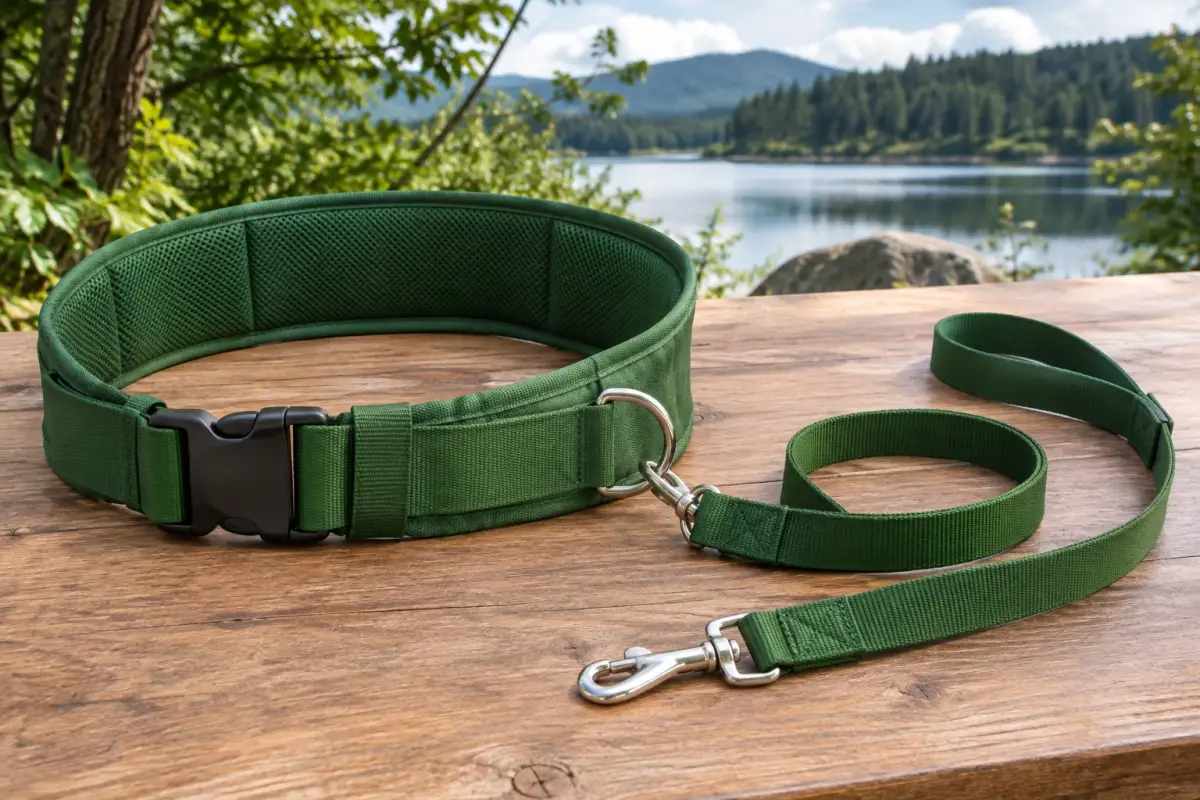
The AKC describes a hands-free leash as an adjustable loop worn around the handler's waist, with the other end clipped to the dog's collar or harness. The force goes through your hips, your strongest point, which is more stable than your arm and leaves your hands free for balance, poles or a stroller.
That also means a sudden lunge pulls your whole body. A hands-free leash suits dogs that already walk nicely beside you; the AKC notes that pulling is frustrating on a walk but downright dangerous at faster speeds. You can compare styles in our hands-free dog leashes collection.
What matters most
A wide, padded belt that sits on the hips and adjusts to fit over clothes. A bungee section that softens jolts for both of you. A length that keeps your dog close; trainers often recommend 4 to 6 feet for everyday leashes, and canicross lines run a little longer.
Control features: a traffic handle near the dog's end lets you grab and hold your dog close at crossings, and a quick-release buckle on the belt means you can unclip if something goes wrong. Reflective stitching helps in low light, as the AKC recommends for roadside walks.
Types compared
Waist-belt leashes are the most common and suit running and walking. Crossbody or shoulder leashes go over one shoulder; they suit relaxed walks and holding a coffee, but put more load on the upper body. Canicross belts are wider and sit lower, with a longer bungee line, for dogs that run out ahead and pull in harness.
Double hands-free leashes split for two dogs, which works only if both are well trained and similar in pace. Convertible leashes switch between hand-held and waist-worn, a sensible choice if you are not sure.
Best choice for each use
For jogging with a dog trotting beside you, a waist belt with a short bungee and a traffic handle. For hiking, a padded belt with a pocket and a leash long enough for uneven ground. For canicross, a canicross belt and a running harness; the AKC suggests a six to ten foot bungee line attached to a waist belt.
For a puppy, wait. The AKC advises waiting until most dogs are about a year and a half before running with them, because bones are still growing. For a strong puller or reactive dog, use a hand-held leash until training is solid.
What to avoid
Avoid clipping a running leash to a collar; a sudden stop puts force on the throat. Use a well-fitted harness. Avoid long, thin cords that can wrap around legs, and avoid retractable leashes for running.
Avoid running in heat. The AKC notes dogs handle heat and humidity less well than people. Carry water, run in cool hours and watch for heavy panting, lagging behind or stumbling, which mean stop, cool down and call your vet if signs do not ease quickly.
Care and lifespan
Wash the leash in warm soapy water and dry it out of direct sun. Check the bungee, clips and belt buckle every few weeks.
Replace a leash when stitching frays, the bungee loses its stretch or clips stop closing firmly. A failure while running near traffic is the outcome to avoid. For everyday walks, see our dog leashes and dog harnesses, or compare hands-free dog leashes.
This page is general information, not veterinary advice, and it cannot replace an examination by the vet who knows your pet.
Hands-free connection points and conversion modes
| Format | Where it attaches to the handler | What to inspect |
|---|---|---|
| Waist belt | Around the waist | Belt fit and connection |
| Crossbody or shoulder | Across the upper body | Strap route and load position |
| Canicross-style belt | Wider lower-positioned belt | Exact belt and line instructions |
| Double line | Two branches from one system | Both clips and branch arrangement |
| Convertible | Changes between hand and body carrying | Each mode’s fastenings |
Common questions
Are hands-free leashes safe?
They are safe for dogs that already walk calmly on a loose leash, when clipped to a harness and used with a quick-release belt. They are risky with strong pullers or reactive dogs, which can pull you off balance.
What length hands-free leash is best?
Around 4 to 6 feet for running and walking beside you, with a bungee section. Canicross lines are often longer, about six to ten feet, because the dog runs ahead in harness.
Can I use a hands-free leash with a puppy?
For gentle walks once your puppy walks nicely, yes. Do not run with a puppy; the AKC suggests waiting until most dogs are about a year and a half old.
Should a hands-free leash clip to a collar or harness?
A harness. The AKC notes a hands-free leash can clip to either, but at running pace a sudden stop puts force on the neck, so a well-fitted harness is the safer choice.
Sources we checked
This guide is general information, not veterinary advice. If your pet is unwell or injured, contact your veterinarian.