Buying guides
Best Dog Leash for Pulling: How to Choose One
For a dog that pulls, the best leash is a fixed-length lead about 4 to 6 feet long, in a material that is easy on your hands, clipped to a front-clip harness rather than a collar. A traffic handle near the clip helps with big dogs. Skip retractable leads, which reward pulling by paying out more line every time the dog leans.
By Matt GarnettUpdated November 14, 20264 min read3 sources
What matters most: length and what you clip it to
A fixed length gives the dog a consistent boundary, which is what leash training relies on. The AKC method for loose-leash walking is to stop when the leash goes tight and move on when it slackens; that only works if tight means the same distance every time. A 6-foot lead gives room to sniff, while 4 feet keeps a strong dog closer on busy sidewalks. You can browse dog leashes for pullers once you know the length you want.
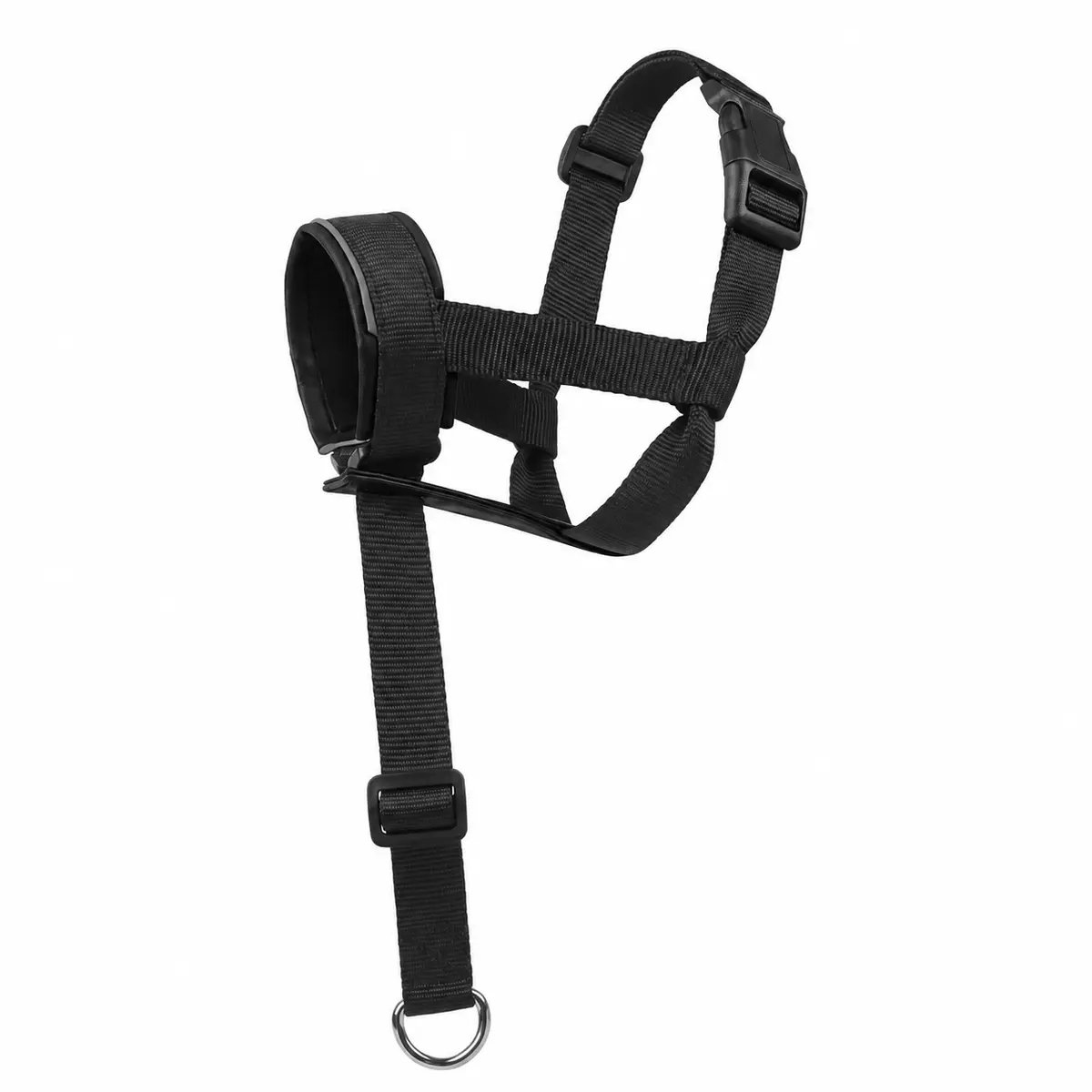
The leash matters less than where it attaches. Clipped to a flat collar, a pulling dog loads its throat. Clipped to a front-clip harness, as the AKC describes, the same pull turns the dog toward you. For very strong dogs, a trainer may add a head halter, which gives more control of the head.
Materials compared
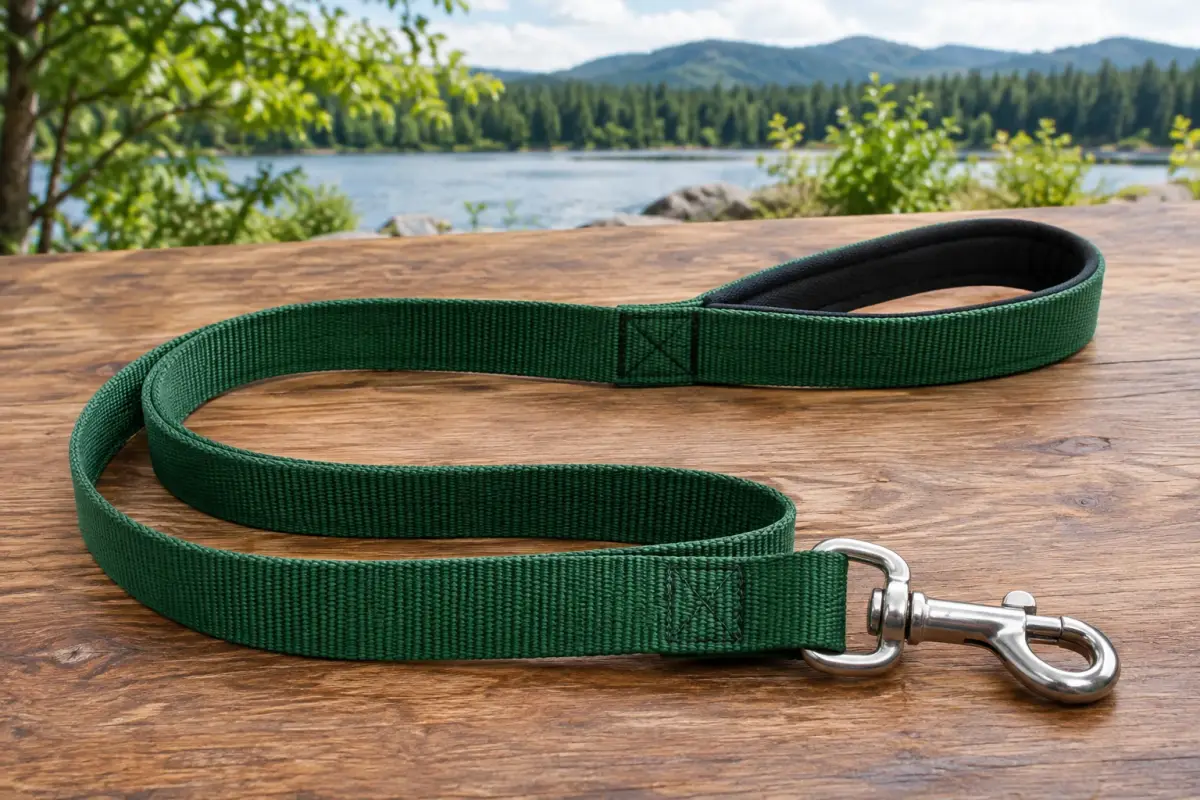
Nylon webbing is light, cheap and easy to wash, but a thin strap can burn your palm if a big dog lunges. Thicker or padded nylon spreads the load. A padded-handle bungee lead is one example of padded construction. Biothane and other coated webbings resist water, mud and smell, and wipe clean, which suits hikers and dogs that swim.
Leather softens with use, grips well and is gentle on hands, at the cost of more care and not liking repeated soaking. Rope leashes are strong and comfortable to grip, with heavier clips. Whatever the material, look at the hardware: a solid metal clip with a strong spring and a swivel that stops the leash twisting.
Best leash for each situation
For large dogs that pull, a 4 to 6 foot leash in wide or rope material with a padded handle and a second traffic handle near the clip lets you shorten your grip instantly at curbs. Double-clip training leashes attach to both the front and back rings of a dual-clip harness, giving steering from the front and stability from the back. For the heaviest pullers, browse heavy-duty dog leashes and check the hardware.
Hands-free waist leashes suit jogging with a dog that already walks well, but put a pulling dog's full force on your hips, so train first. For recall practice and sniff walks in open spaces, a long line of 15 to 30 feet is more controllable than a retractable lead, because you handle the line directly. A long-line training lead such as this 5-metre training lead suits that practice.
Collars and pulling
People often search for a no-pull collar. A flat buckle collar has no effect on pulling and puts pressure on the neck, and the AKC notes that dogs that tug are often more comfortable in a harness. A martingale collar tightens only slightly to stop a narrow-headed dog backing out, which makes it a safety collar rather than a pulling solution.
Keep a flat collar on for ID tags and use a harness or halter for walks. If your dog coughs, gags or rubs its neck after walks, stop using any neck attachment and ask your vet to check the throat.
What to avoid and leash care
Avoid retractable leashes for pullers, very long leads on sidewalks, thin cord that can cut skin, and wrapping the leash around your hand or wrist, which can injure fingers if the dog bolts. Avoid any equipment that works by causing pain; reward-based training is the reliable route to a loose leash.
Inspect the clip spring, stitching and any frayed sections monthly, especially where the leash meets the hardware. Replace a leash with a sticky or loose clip, because that is the part that fails. Wash nylon and coated leashes in warm, soapy water and let leather dry slowly away from heat. When it is time to replace one, start from no-pull dog leashes.
Leash strap and handle construction
| Construction | Physical surface | Inspect separately |
|---|---|---|
| Nylon webbing | A woven flat strap | Strap width,edges and handle |
| Padded webbing | Added layers at the handle or strap | Padding location and stitching |
| Coated webbing | A coating over a woven core | Coating condition and care instructions |
| Leather | A leather strap body | Condition,edges and permitted care |
| Rope | A rounded woven body | Diameter,splices and handle attachment |
Common questions
What is the best leash for a dog that pulls?
A fixed 4 to 6 foot leash with a comfortable handle, clipped to a front-clip harness. Add a traffic handle for big dogs and pair it with consistent reward-based leash training.
Are retractable leashes bad for dogs that pull?
Yes, for training. They keep tension on the dog and pay out more line when it pulls, which rewards pulling. Use a fixed leash until your dog walks on a loose lead.
What is the best collar for a dog that pulls?
No collar stops pulling, and pulling on a collar loads the throat. Use a flat collar for ID and clip the leash to a front-clip harness or head halter instead.
What length leash is best for training not to pull?
A fixed 4 to 6 foot leash. Six feet gives room to sniff; four keeps a strong dog close in busy places. Use a long line only for recall practice in open areas.
Sources we checked
This guide is general information, not veterinary advice. If your pet is unwell or injured, contact your veterinarian.