







Dogs
Leather dog collars
Better walks, every day.
14 items picked for everyday life with your pet, with shipping estimates on every item.
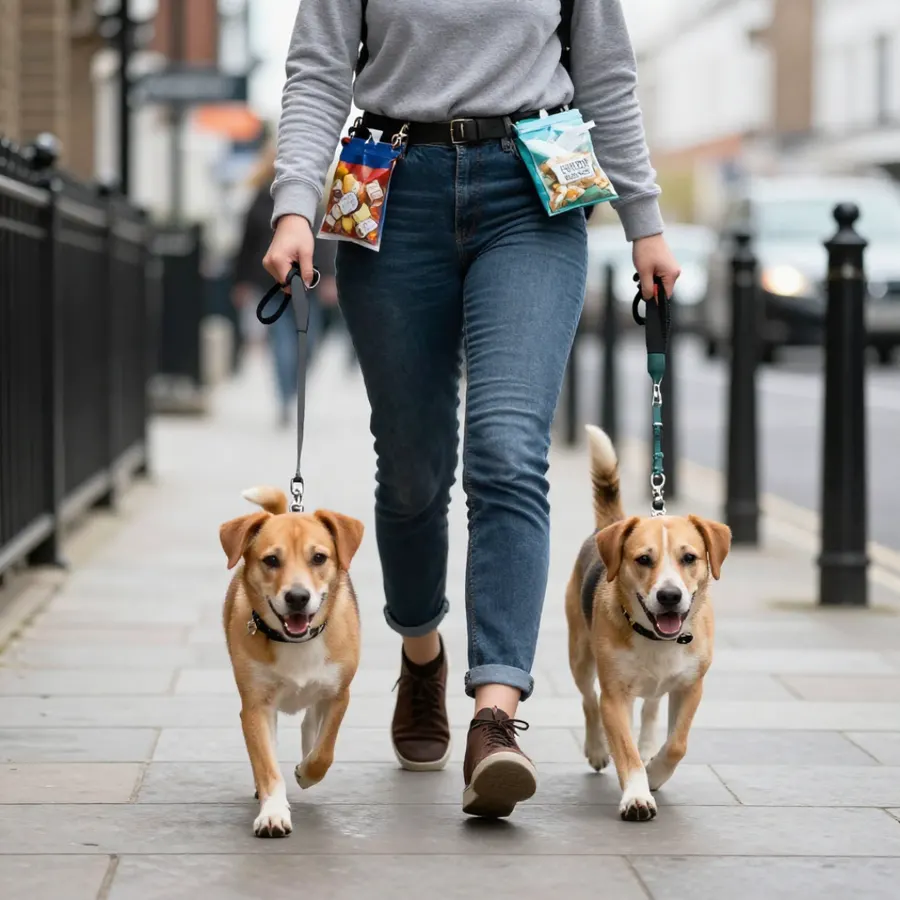 Out the door and ready for anything.
All dogs walking & training →Dog harnesses →Dog collars →Dog leashes →Retractable dog leashes →Dog muzzles →Dog vest harnesses →Cute dog collars →Tactical dog harnesses →Pooper scoopers →No pull dog harnesses →Personalized dog collars →Small dog harnesses →
↗Tracked US shippingEstimates on every item↶Returns & refundsHow it works♡Here to helpTalk to Giddy Pets
All leather dog collars
Little essentials. Lots of love.
Leather dog collars
Adjustable Studded Dog Collar for Small and Medium Dogs
- Options
- 12 to choose from
From $17.99


Leather dog collars
Braided Cowhide Leather Dog Collar with Brass-Tone Plate
- Options
- 4 to choose from
From $33.99


Leather dog collars
Double-Layer Dog Collar and Leash Set with Optional Lettering
- Options
- 48 to choose from
From $26.99

Dog collars
Leather Dog Collar and Braided Rope Leash Set in Pastel Colors
- Options
- 6 to choose from
$27.99

Dog collars
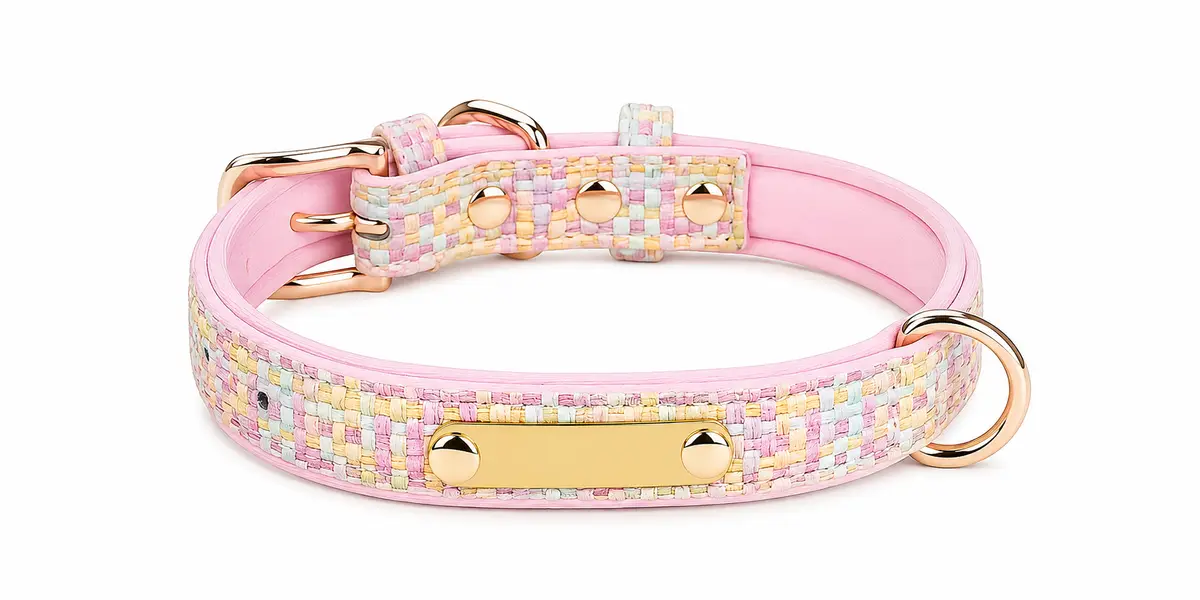
Patterned Synthetic Leather Dog Collar with Metal Plate
- Options
- 15 to choose from
From $18.99

Leather dog collars
Rainbow-Striped Dog Collar with Metal Buckle and D-Ring
- Options
- 5 to choose from
From $11.99


Leather dog collars
Stitched Leather Dog Collar with Brass-Tone Buckle
- Options
- 36 to choose from
From $11.99


Leather dog collars
Vintage-Style Leather Dog Collar and Leash Set, S to L
- Options
- 54 to choose from
From $13.99
A little guidance
Help choosing leather dog collars
Buying guides and care advice written for this range: what to measure, what matters and what to skip.
From our guides
- Best Leather Dog Collars: What to Check Before You Buy →
- Best Designer Dog Collars: How to Choose Style That Is Also Safe →
- Best Breakaway Dog Collars: When They Make Sense →
- Best Collar for a Puppy: What Actually Matters →
- Best Dog Appeasing Pheromone: Diffuser, Collar or Spray? →
- Best Dog Collars for Large Dogs: What Actually Matters →
This page focuses on leather and leather-look dog collars: a studded padded leather collar, padded and vintage suede collars with brass buckles, and engraved nameplate collars in synthetic leather that carry your phone number on the collar itself. They are for owners who want a classic collar that ages well. For nylon, LED, tactical and patterned collars, see our Dog Collars page.
Why choose a leather collar
Leather has been the classic collar material for a reason. It is strong, it softens and molds to the dog's neck with wear, and it does not fray at the edges like webbing can. A well-made leather collar can last for years and often looks better as it ages.
Padded leather collars have a soft lining that spreads pressure and is kinder to short-coated dogs, whose skin can be rubbed by a stiff edge. Suede gives a softer, matte look and feel, and brass buckles add a vintage finish that resists rust.
Real leather, suede and synthetic
Real leather and suede need a little care but reward it. Synthetic leather, often called PU, gives a similar look, is lighter and handles water better, which makes it practical for dogs who swim or walk in the rain. Nameplate collars here use synthetic leather with an engraved plate.
If your dog spends a lot of time in water or mud, synthetic leather or nylon may suit better day to day, with a real leather collar kept for town walks. Leather that is soaked repeatedly can stiffen and crack unless it is dried slowly and conditioned.
Fitting a leather collar
Fit leather the same way as any collar. The AKC recommends measuring around the neck where the collar sits and checking that you can slide two fingers between the collar and your dog's neck. Leather stretches slightly over the first few weeks, so recheck and move to a tighter hole if needed.
Width should match your dog. Narrow rolled or slim collars suit small breeds and long-coated dogs, since they part the hair rather than flattening it. Wide padded leather suits larger, stronger dogs. Studded collars are decorative; check the studs are smooth on the inside.
Caring for leather
Wipe a leather collar with a damp cloth when it gets dirty, and let it dry naturally away from heaters. Every few months, rub in a small amount of leather conditioner to keep it supple. Suede can be brushed with a soft brush to lift the nap.
Check the stitching, buckle and D-ring regularly. Replace the collar if the leather cracks near a hole, the stitching loosens or the D-ring wears thin. A collar holds your dog's ID, so it must stay strong.
Are leather collars good for dogs?
Yes. Leather is strong, comfortable and softens with wear. Padded leather is gentle on short coats. Keep it dry and conditioned, since repeated soaking can stiffen or crack it.
Can leather dog collars get wet?
Occasionally, yes, but dry them slowly at room temperature and condition them afterward. For dogs who swim often, synthetic leather or nylon handles water better.
How do I clean a leather dog collar?
Wipe it with a damp cloth and mild soap, let it air-dry away from direct heat, then apply a little leather conditioner. Brush suede gently rather than soaking it.
What is a nameplate dog collar?
It is a collar with a metal plate engraved with your phone number or your dog's name. The ID sits flat on the collar, so there is no tag to jingle or catch.
Do leather dog collars stretch over time?
Leather can stretch a little during the first few weeks of wear, especially if it gets wet. Check the fit with the two-finger test after a week or two and move the buckle to a tighter hole if the collar has loosened.