






Buying guides
Best Collar for a Puppy: What Actually Matters
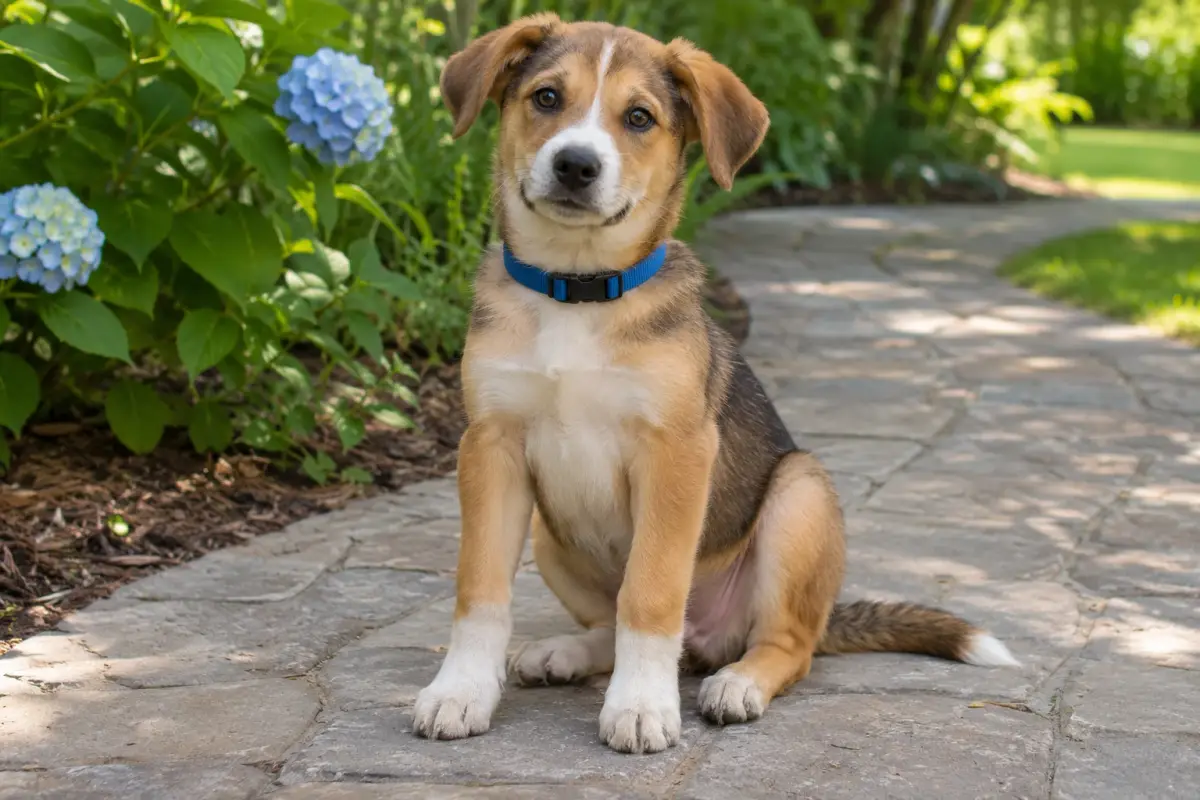
The best collar for a puppy is a lightweight flat collar that fits with room for two fingers, is made from a material you will not mind replacing, and can carry an ID tag. Puppies outgrow gear fast, so fit and a low-cost material matter more than features. This guide covers how to choose, measure and check one.
By Matt GarnettUpdated November 13, 20264 min read2 sources
What matters most in a puppy collar
Three things decide it. First is the type: a flat collar that fastens with a buckle or a quick-release clasp is the most common choice, and the American Kennel Club notes it is the style that holds a name tag. Second is the material, because a growing puppy will need several collars. Third is the fit, which has to be checked regularly, not set once.
Features such as GPS, flea treatments or decorative extras are secondary at this stage. A puppy mostly needs a comfortable collar it can wear all day without scratching, plus identification in case it slips away. Our small dog and puppy collars and wider dog collars range cover the common flat styles.
Materials: why nylon suits most puppies
The AKC says nylon is inexpensive, which makes it a sensible choice for a growing puppy, while leather is durable and copes with water, heat and rough play. Once a dog reaches adult size, the AKC says a more durable material is usually worth the cost, so a leather or similar collar can wait until growth slows.
Soft lining matters for young skin. A padded, cotton-lined collar or a soft, thick-strapped collar can feel kinder around the neck than a stiff strap. Check the inside edge and the buckle for anything rough, and look for a smooth, non-scratchy finish. Neoprene and biothane are also described by the AKC as materials that wipe clean, which helps with a puppy that rolls in everything.
How to measure and check the fit
Measure your puppy's neck with a soft tape instead of trusting the size label. The AKC advice is to slide fingers under the collar: if you cannot fit two, it is too tight, and if you can fit more, it is too loose. VCA says a collar should be sized to fit securely around the neck without constricting.
A loose collar can slip over the head or catch on something, and a tight one can rub or restrict. Check the fit every few days at first, and again after growth spurts. The AKC says puppies grow quickly in their first year and may need several collars, and a large breed puppy may outgrow one almost weekly. If your puppy gets the collar caught on its crate bars or a toy, supervise gear use and ask your vet or trainer about taking it off at certain times.
Collar types compared for puppies
A flat buckle collar is the standard for everyday wear. VCA lists risks of a flat collar as escape if it is too loose and injury if it becomes twisted, which is why regular fit checks matter. A breakaway buckle collar releases under pressure, though VCA warns that clipping the leash to the breakaway ring can allow escape, so it suits wear at home better than leash walks.
A martingale tightens slightly under leash pressure, and VCA says it is not recommended as a training tool. Choke collars reduce the dog's ability to breathe, according to VCA, and are not something to use on a puppy. For walks with a small puppy, many owners pair a light collar for ID with a harness for the leash, so see our guide to the best puppy harness and the dog harnesses collection.
Puppy collar construction and leash-use distinctions
| Construction | How it closes or adjusts | Important distinction |
|---|---|---|
| Flat buckle collar | Buckle closes an adjustable strap | Regular fit checks still matter |
| Breakaway buckle | Release mechanism can open under pressure | Leash attachment needs the maker’s exact instructions |
| Martingale | A loop changes under leash pressure | Not a substitute for a suitable training method |
| ID collar plus walking harness | Collar carries ID while leash attaches to a harness | Check each item’s fit and attachment separately |
Common questions
How tight should a puppy collar be?
Snug enough that it cannot slip over the head, loose enough that you can slide two fingers underneath. Check it every few days, because a puppy can outgrow a collar quickly.
What material is best for a puppy collar?
Nylon is a common choice because it is inexpensive and light, which suits a puppy that will soon need a bigger size. Leather is more durable and better saved for adult size.
Should a puppy wear a collar or a harness?
Many owners use both: a light flat collar to hold the ID tag and a harness for leash walks. Ask your vet or trainer what suits your puppy, especially for small or flat-faced breeds.
When can a puppy start wearing a collar?
There is no single age. Introduce it gradually and gently in a quiet space while supervising, then build up the wearing time. Your vet can advise on timing for your puppy.
How often will I need to replace a puppy collar?
It depends on the breed and growth rate. The American Kennel Club says puppies may need several collars in their first year, and large breeds may outgrow one almost weekly.
Sources we checked
This guide is general information, not veterinary advice. If your pet is unwell or injured, contact your veterinarian.


