Buying guides
Best Dog Appeasing Pheromone: Diffuser, Collar or Spray?
The best dog appeasing pheromone is the format that fits the situation, because a review of controlled trials found no evidence that a spray, a diffuser or a collar works better than the others. Use a diffuser for a room your dog lives in, a collar for a dog on the move and a spray for a crate or carrier, and treat any of them as a modest support rather than a fix.
By Matt GarnettUpdated November 14, 20265 min read6 sources
What a dog appeasing pheromone is
Dog appeasing pheromone, usually shortened to DAP, is a synthetic copy of a scent that nursing mother dogs release from skin glands between their mammary glands. A 2022 clinical study describes it as an analog of that natural pheromone and says it is meant to have a calming effect on puppies and adult dogs. The idea is that a familiar, reassuring signal might ease a dog's stress, much as a mother's scent steadies her litter.
Because it is a scent, you cannot watch it working, and dogs do not all respond. Our dog calming pheromones range sells the same idea in three formats: plug-in diffusers, collars and sprays. The rest of this guide is about choosing between them and setting honest expectations.
What the evidence actually says
A veterinary evidence review that appraised eight controlled trials rated the evidence that DAP manages anxiety-related stress in dogs over six months old as weak. It found moderate evidence that DAP reduced some fear and anxiety behaviors triggered by thunderstorm noise, weak evidence that it eased general stress in hospitalized dogs, and mild evidence that it reduced barking intensity in shelter dogs.
Two findings matter when you shop. The review found no evidence that one format beat the others, so a higher price for a spray, diffuser or collar buys no proven advantage. And most behavior changes happened while the dog was exposed, with little effect left afterward. The reviewers called DAP unlikely to cause harm and possibly helpful, partly through a placebo effect, and said it should not replace therapies with established effects. A small 2022 study of 28 dogs at a clinic saw less lip and nose licking in the waiting room but no differences in the exam room.
Diffusers, collars and sprays compared
A plug-in diffuser warms a refill so the scent spreads through one room. It suits a dog who is anxious at home, such as a new puppy or a dog who struggles when left alone, because exposure lasts all day without the dog wearing anything. Its limits are plain: it covers only the room where it is plugged in, it needs an outlet, and it does nothing on a walk or in the car. Replace refills on the schedule printed on the pack.
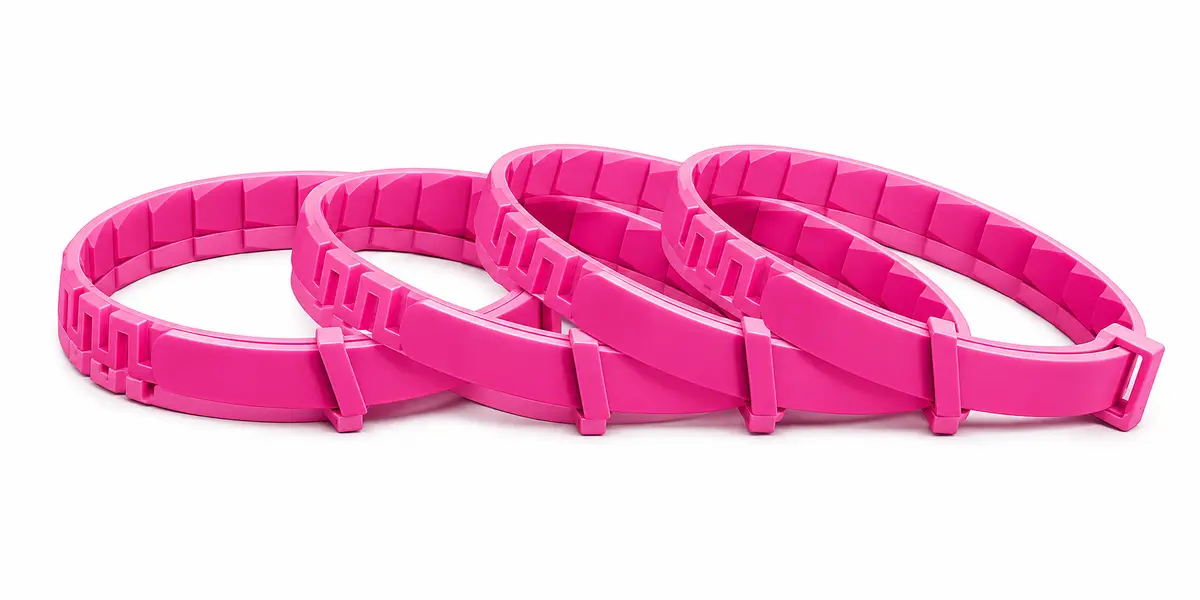
A collar keeps the scent with the dog, which is its whole advantage. A pheromone collar for dogs travels to the groomer, the boarding kennel and the car. Fit it so it sits comfortably against the neck without pressing on the skin, check the skin underneath regularly, and take it off if the area turns red or sore.
A spray puts the scent on a specific item: a crate pad, a carrier, a car blanket or a bed. It is the most flexible format for short, predictable stress such as a trip, but you must reapply it, and it goes on objects as the label directs, never onto your dog's face. Our guide to the best dog calming spray covers sprays in more detail.
The best format for each situation
New puppy or newly adopted dog: a diffuser in the room where the dog sleeps, plus a quiet, defined resting spot such as one of our calming dog beds. Car rides, boarding and vet visits: a collar, or a spray on a blanket that rides along. If the car is the problem, read our guide to dog anxiety in the car, because car sickness is a separate issue that a pheromone will not fix.
Thunderstorms and fireworks have the strongest evidence behind them. Start a diffuser in the room your dog retreats to before the season, not during the first bang, and combine it with other measures. A dog anxiety calming vest applies steady pressure, although VCA notes there is minimal data on wraps. For noise itself, a noise-reducing calming snood muffles sound; the AKC lists earmuffs and wraps as calming devices to introduce gradually, with treats, when the dog is calm. See also our dog anxiety vests and our guide to choosing a vest.
What to avoid
Avoid treating a pheromone as a cure for separation anxiety, aggression or fear that is getting worse. A sudden change in behavior can have a medical cause, and the evidence for DAP is weak overall. Also avoid any product that promises a proven result: the honest summary is that some dogs seem calmer and many show no change.
Be careful with products that swap the pheromone for essential oils. Pet Poison Helpline says essential oil poisoning can affect all species, with cats and birds at the greatest risk, and the ASPCA lists lavender as toxic to dogs and cats. If a dog or cat swallows or is sprayed with an essential oil product, call your vet, ASPCA Animal Poison Control at (888) 426-4435 or Pet Poison Helpline at (855) 764-7661; a fee may apply.
How to judge it and when to see your vet
Pick one product, use it consistently for a few weeks alongside training and a predictable routine, and keep a short diary of what your dog does in the situations that worry you. If nothing improves, stop spending money on it. Changing three things at once makes it impossible to know what helped.
The AKC advises talking to your veterinarian if fear escalates into panic or destructive escape attempts, which can injure a dog or leave it lost. Call your vet too if your dog stops eating, behaves differently overnight or shows aggression. When you are ready, browse our dog calming pheromones.
This page is general information, not veterinary advice, and it cannot replace an examination by the vet who knows your pet.
Common questions
Do dog appeasing pheromones really work?
Evidence is mixed. A review of controlled trials rated it weak overall, moderate for thunderstorm fear, and found most effects only while the dog was exposed. Some dogs seem calmer, and many show no change.
Is a dog pheromone diffuser better than a collar or spray?
No format has proven better. The review found no evidence that a diffuser, collar or spray outperformed the others, so choose by situation: a diffuser for a room, a collar for travel, a spray for a crate or carrier.
What is a dog calming diffuser?
It is a plug-in unit that warms a refill containing a synthetic calming pheromone so the scent spreads through one room. It only covers that room, so it suits a dog who is stressed at home.
Is a pheromone collar for dogs safe to wear every day?
The reviewers called DAP unlikely to cause harm, but a collar can still rub. Fit it comfortably, check the skin underneath often, and stop using it and call your vet if the skin turns red or sore.
What should I do if my dog is still anxious after using pheromones?
Stop relying on the product and talk to your vet, especially if there is panic, destructive escape attempts, aggression or a sudden change. Your vet can look for medical causes and suggest a proper behavior plan.
Sources we checked
- Veterinary Evidence — Can dog appeasing pheromone ameliorate stress behaviours associated with anxiety in mature domestic dogs?
- PubMed Central — Effects of a Novel Gel Formulation of Dog Appeasing Pheromone (DAP) on Behavioral and Physiological Stress Responses in Dogs Undergoing Clinical Examination
- VCA Animal Hospitals — Behavior Management Products for Dogs
- AKC — How To Help a Dog Scared of Loud Noises
- Pet Poison Helpline — Essential Oils
- ASPCA — Lavender
This guide is general information, not veterinary advice. If your pet is unwell or injured, contact your veterinarian.