







Tactical dog harnesses
1000D Nylon Dog Harness with Side Buckles and Two Handles
- Options
- 12 to choose from
From $25.99
Free US shipping over $49 · 30-day free returns · Happy pets, happy homes
Pet care guidesDogs
Better walks, every day.
8 items picked for everyday life with your pet, with shipping estimates on every item.
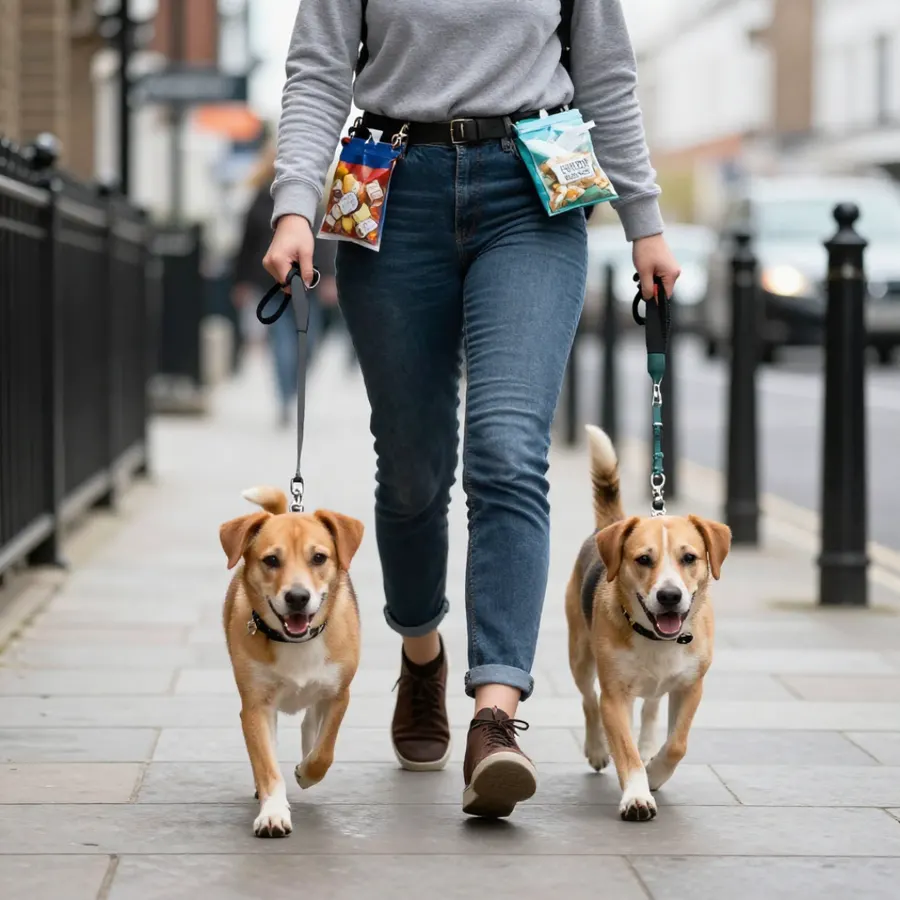 Out the door and ready for anything.
Tactical dog harnesses
From $25.99


Dog vest harnesses
From $16.99
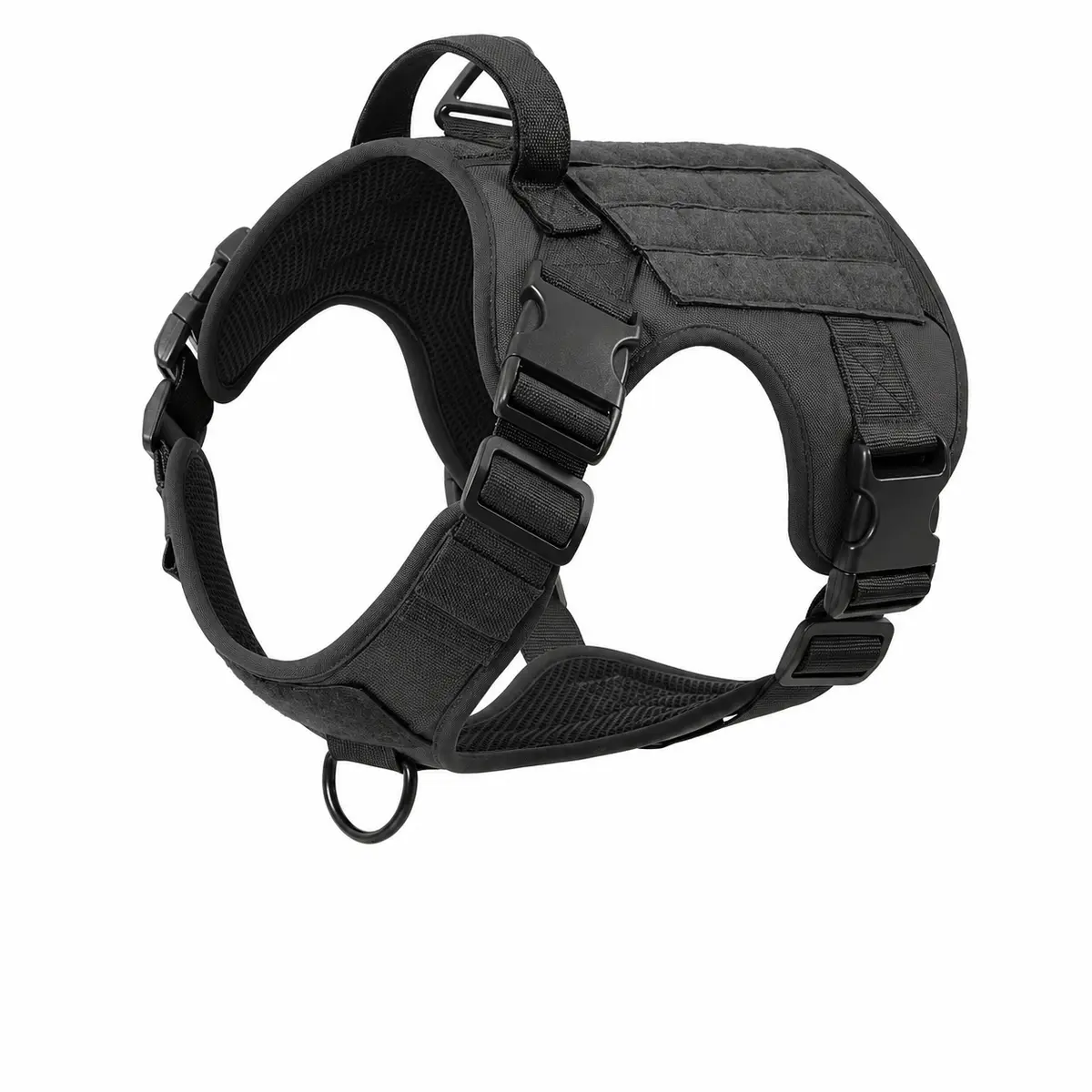
Tactical dog harnesses
From $33.99

Dog harnesses
$21.99

Tactical dog harnesses
$64.99

Tactical dog harnesses
From $35.99

Tactical dog harnesses
From $68.99
A little guidance
Buying guides and care advice written for this range: what to measure, what matters and what to skip.
This page narrows our dog harnesses down to the sizes and builds that suit big dogs: adjustable no-pull harnesses with reflective trim and easy on and off buckles, a harness with three buckles for a secure fit, and heavy-duty nylon tactical harnesses and vests with grab handles for medium and large breeds. It is for Labradors, shepherds, pit bull mixes, doodles and other strong dogs that need a harness built to hold.
A harness that works for a 20 lb dog can fail on an 80 lb one. Large dogs pull harder, lunge with more force and put more stress on buckles, stitching and D-rings. Large harnesses use wider straps that spread pressure across the chest, heavier hardware and more adjustment points to fit deep-chested and broad-shouldered breeds.
A good harness also protects your dog's neck. A strong dog pulling on a collar puts all the force on the throat, while a harness takes it through the chest and shoulders.
No-pull harnesses have a leash ring on the front of the chest. When the dog pulls, the front clip turns them gently to the side rather than letting them lean in, which reduces pulling. Reflective trim adds visibility on early morning and evening walks. Three-buckle designs open fully, so you do not have to lift a big dog's legs through.
Tactical harnesses use heavy nylon with a padded chest panel and a sturdy top handle. The handle lets you hold your dog close in crowds, help them over obstacles or lift a back end. Molle or loop panels carry small pouches on hikes.
The AKC says chest girth is often the most important measurement for a harness: measure around the widest part of the rib cage, just behind the front legs, with your dog standing. Also measure the neck where a collar sits. Compare both with the size chart, since large breeds vary a lot in shape.
If your dog falls between sizes, the AKC suggests choosing the larger size and looking for an adjustable option, then tightening the straps.
Leave room for two fingers between the harness and your dog, the AKC advises, so it stays comfortable when your dog pulls. The harness should not rub behind the front legs or sit on the throat, and the chest strap should not slide sideways when your dog moves.
Walk your dog and watch. If they wriggle out backwards, tighten the straps. If you see rubbing, redness or hair loss under the straps, adjust the fit or try a different style.
A no-pull harness makes a big dog easier to manage, but it does not teach loose-leash walking on its own. Reward your dog every time the leash is slack, stop when they pull, and walk on again when they come back to your side. Short, frequent sessions work best.
Check hardware and stitching every few weeks on a strong dog, and replace any harness with cracked buckles or fraying straps. A dog that suddenly pulls less, limps or resists the harness may be sore and should see your vet.
| Feature | Physical arrangement | Verify on the exact item |
|---|---|---|
| Front ring | Leash attachment at the chest | Ring position and strap path |
| Opening buckles | Buckles open portions of the harness | Which openings release completely |
| Padded vest | Broader panels over chest and back | Panel dimensions and adjustment |
| Top handle | Handle attached above the back | Stitching and maker-approved uses |
| Loop panels | Attachment areas on the body | Compatible accessories and loading instructions |
A no-pull harness with a front chest clip, wide padded straps and strong hardware, combined with rewarding loose-leash walking.
Measure chest girth just behind the front legs and the neck, then check the size chart. Choose the larger size if between sizes.
Yes, they are sturdy and the top handle helps control a strong dog. They are heavier, so check your dog is comfortable in warm weather.
You should fit two fingers under the straps. Tighter rubs; looser lets a dog back out.
For dogs that pull, yes. A harness spreads force across the chest instead of the throat.