






Fish & aquariums
Aquarium filters
Clear water. Happy fish.
5 items picked for everyday life with your pet, with shipping estimates on every item.
 The essentials for a healthy tank or pond.
All fish & aquariums homes, cages & gates →Aquarium decorations →Aquarium supplies →Aquarium plants →Aquarium air pumps →Fish tank stands →
↗Tracked US shippingEstimates on every item↶Returns & refundsHow it works♡Here to helpTalk to Giddy Pets
All aquarium filters
Little essentials. Lots of love.


Aquarium filters
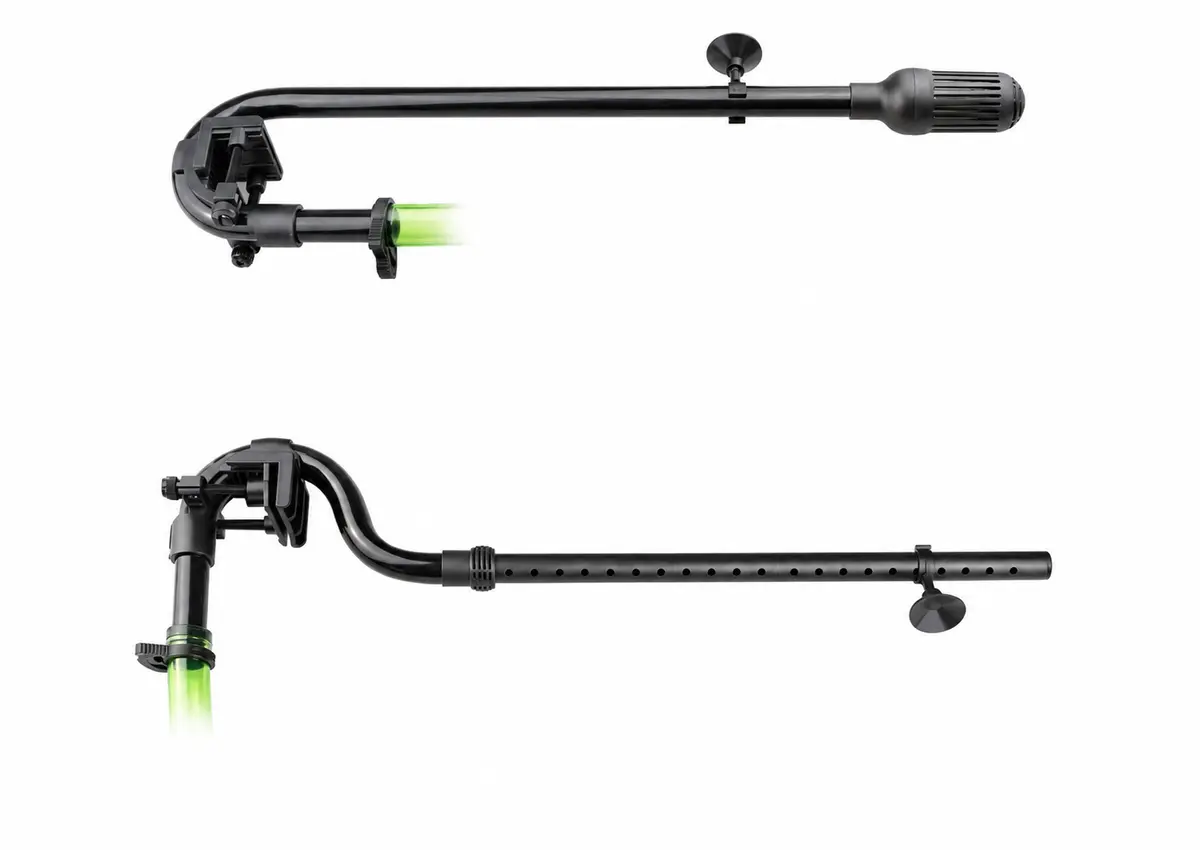
External Canister Aquarium Filter, 120V, 2 to 4 Stages
- Options
- 4 to choose from
From $86.99
A little guidance
Help choosing aquarium filters
Buying guides and care advice written for this range: what to measure, what matters and what to skip.
From our guides
- Best Aquarium Filter: What Actually Matters When You Choose →
- Best Aquarium Air Pump: What Actually Matters →
- Best Aquarium Heater: How to Choose the Right One for Your Tank →
- Best Aquarium Lights: What Actually Matters →
- Best Aquarium Plants: Live vs Artificial and How to Choose →
- Best Aquarium Substrate: Gravel, Sand or Planted Soil? →
This page holds aquarium filtration and cleaning gear: three-stage external canister filters, including one sized for tanks of around 28 gallons, and electric gravel cleaner kits with extension tubes that vacuum debris from the substrate. It is for freshwater fish keepers setting up a new tank, upgrading from a small hang-on filter, or looking for an easier way to do water changes.
What a filter actually does
A filter does three jobs. Mechanical filtration traps floating debris in sponges and floss. Biological filtration is the most important: the filter media becomes home to bacteria that turn toxic ammonia from fish waste into nitrite and then into the much less harmful nitrate. Chemical media, such as activated carbon, can remove odors and discoloration.
A three-stage canister filter holds all three in separate trays, one after another, which is why canisters are popular for planted and larger community tanks. Without a working biological filter, ammonia builds up and fish become ill.
Canister filters
A canister sits in the cabinet below the tank, with an intake tube drawing water down and an outlet returning it. Because the canister is large, it holds much more media than a small internal or hang-on filter and runs quietly. It also keeps equipment out of sight.
Size the filter to the tank. Choose a canister rated for at least your tank's volume, and many keepers go one size up for heavily stocked tanks or messy fish such as goldfish and cichlids. Check the flow rate too: very fast flow can push small or long-finned fish around.
Starting a new tank
A new filter has no bacteria yet. The Merck Veterinary Manual notes that it can take up to eight weeks for a biofilter in a tropical tank to become established. During that time, ammonia and nitrite can rise to levels that harm fish, which is often called new tank syndrome.
The safest way is to cycle the tank before adding fish, testing regularly for ammonia, nitrite and nitrate and adding fish only once ammonia and nitrite are no longer detectable. Running media from an established, healthy tank in a new filter can seed it with bacteria and speed things up.
Cleaning a filter without crashing the cycle
Because the bacteria live on the media, scrubbing a filter clean under hot tap water can wipe out the colony and start the cycle over. Most keepers rinse sponges gently in a bucket of water taken out of the tank during a water change, just enough to clear clogging debris.
Clean the filter on a different week from a deep gravel clean, so you never disturb all the bacteria at once. Replace mechanical floss when it is falling apart and chemical media on the schedule its packaging gives, but keep biological media in service as long as it holds together.
Gravel cleaners and water changes
An electric gravel cleaner vacuums waste, uneaten food and debris from between the gravel while removing water, so you clean the substrate and do a water change in one job. Extension tubes reach the bottom of deeper tanks, and battery or electric models save starting a siphon by mouth.
Regular partial water changes keep nitrate down. The Merck Veterinary Manual warns that only topping up evaporated water, without changing any, lets waste chemicals build over time. Treat new tap water with a conditioner before it goes into the tank, and match its temperature.
What size filter do I need for my aquarium?
Choose a filter rated for at least the volume of your tank, and go one size up for heavily stocked tanks or messy fish like goldfish.
How often should I clean an aquarium filter?
Rinse mechanical sponges when flow slows, often every few weeks, in removed tank water. Avoid cleaning the filter and the gravel thoroughly in the same week.
Is a canister filter better than a hang-on filter?
A canister holds more media and runs quietly, which suits larger or planted tanks. Small tanks often do fine with a smaller filter.
Can I rinse filter media in tap water?
Rinsing biological media in untreated tap water can kill the beneficial bacteria. Rinse it gently in water removed from the tank instead.
How long does it take a new aquarium filter to cycle?
The Merck Veterinary Manual says a biofilter can take up to eight weeks to become established. Test water regularly and add fish once ammonia and nitrite read zero.