Breeds
Cane Corso vs Rottweiler: Comparing Two Roman-Descended Guardians
The Cane Corso and the Rottweiler both trace their ancestry to Roman-era working dogs, and both are powerful, loyal family guardians for experienced owners. The Corso is a little taller and more athletic, with higher energy and a coat in black, gray, fawn or brindle; the Rottweiler is stockier, always black with rust, and slightly calmer. The AKC ranks Rottweilers 8th and Corsos 14th in popularity. Either needs serious, positive training from puppyhood, including loose-leash walking with gear made for large dogs.

By Matt GarnettUpdated November 10, 20264 min read4 sources
Side by side
Size: the AKC lists Cane Corso males at 25 to 27.5 inches and females at 23.5 to 26, weight proportionate to height. Rottweiler males stand 24 to 27 inches at 95 to 135 pounds, females 22 to 25 inches at 80 to 100. Lifespan: AKC gives Corsos 9 to 12 years and Rottweilers 9 to 10. Coat: both short; VCA lists Corso colors as black, gray, fawn and brindle, and the Rottweiler as typically black with rust markings.
Energy: VCA rates Corsos high and Rottweilers moderate to high. Strangers: both alert and protective. Other pets: VCA says both may be selective. Children: both generally good with supervision. Experience: VCA rates both best for experienced, confident owners. Heat: VCA calls the Corso sensitive to extreme heat. Best for: owners with space, time and guardian-breed experience.
Origins
The AKC says the Cane Corso's lineage goes back to ancient Roman times and its name roughly means bodyguard dog; VCA describes it as an Italian breed developed for guarding, hunting and farm work. The AKC calls it smart, trainable, assertive and confident, a peerless protector.
The Rottweiler, per the AKC, is a robust working breed of great strength descended from the mastiffs of the Roman legions, a gentle playmate and protector within the family that watches the outside world with self-assured aloofness. VCA notes it was developed for herding and guarding. Same distant roots, different jobs: the Corso stayed a farm guardian and hunter; the Rottweiler drove and guarded livestock.
Temperament and training
VCA describes Cane Corsos as loyal and protective of family and territory, often calm indoors but highly alert to anything unfamiliar. Without consistent training, it warns, they may become overprotective and aggressive toward strangers or pets. Rottweilers are confident, protective and deeply loyal, naturally alert and often cautious with strangers, and may become overly protective or hard to manage without training.
Both need early, thorough socialization and confident leadership using positive reinforcement. Start puppy classes early, practice calm greetings with visitors, teach a strong place or settle cue, and keep training going through adolescence and into adulthood. A trainer experienced with large guardian breeds is a sound investment for either.
Exercise and daily care
VCA says Cane Corsos require regular daily exercise, with walks, structured activities and training, or they may become restless or destructive, and recommends secure outdoor space. Rottweilers need regular daily exercise too, walks, training and structured activity, to prevent boredom. The Corso is generally the more athletic of the two and handles longer, more vigorous outings.
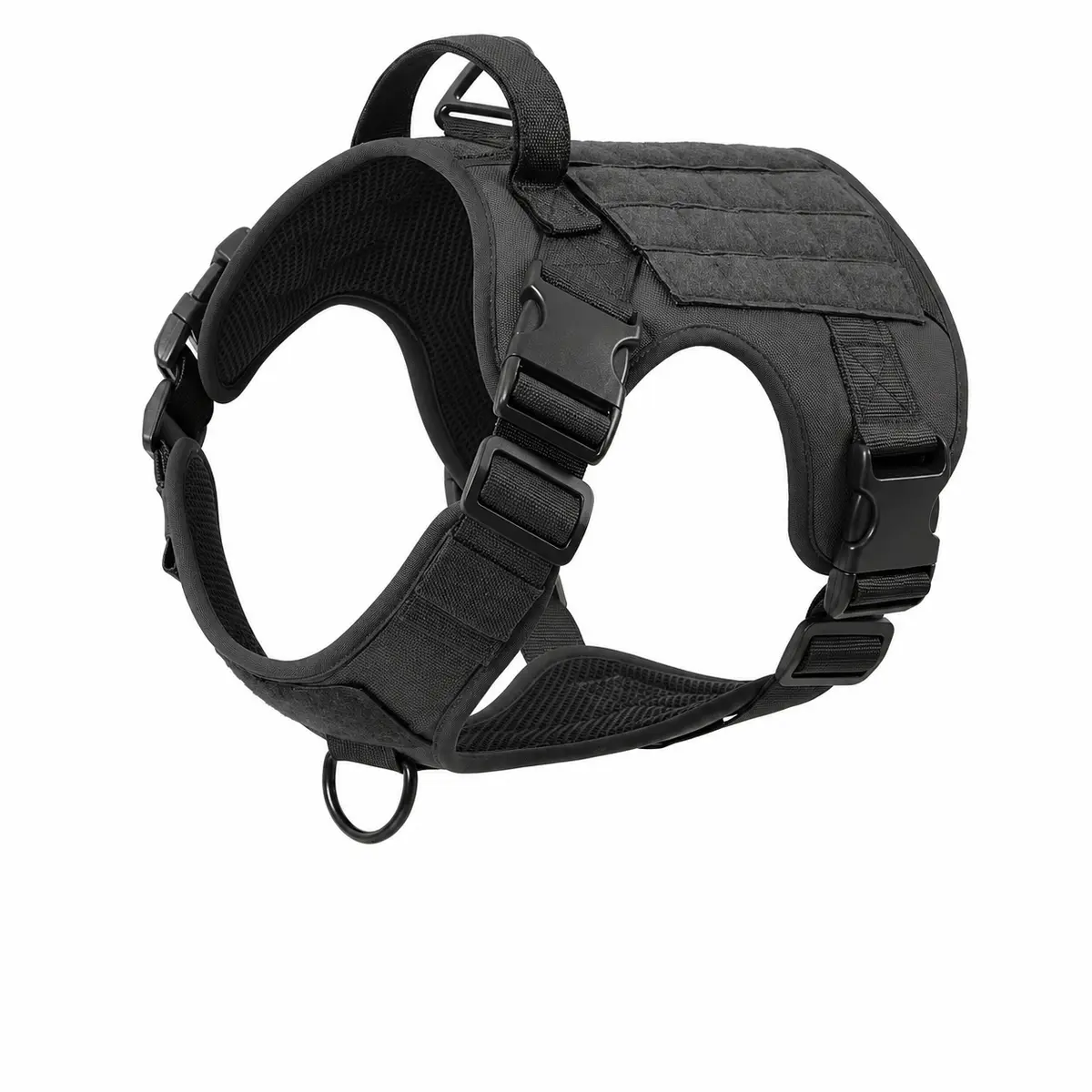
Grooming is easy: weekly brushing, occasional baths and routine nail and ear care for both, and VCA stresses ear cleaning for the Corso because of infection risk. Teach loose-leash walking early with a large-dog training harness or a harness and leash set, use a sturdy fence and check local rules, leases and insurance, since both breeds are often restricted.
Health
VCA lists hip and elbow dysplasia, patellar luxation, bloat, entropion and ectropion, demodectic mange, epilepsy, hypothyroidism and heart disease among Cane Corso concerns, and stresses weight management and controlled exercise during rapid growth. For Rottweilers it highlights hip and elbow dysplasia, an increased risk of certain cancers, especially osteosarcoma, and bloat, which needs immediate veterinary attention.
Both are deep-chested, so ask your vet to explain the warning signs of bloat and what to do if you see them. Ask breeders for hip and elbow screening on both parents, keep your dog lean and schedule regular checkups, especially as a Rottweiler reaches its senior years at around seven.
Which to choose
Choose a Cane Corso if you want a taller, more athletic guardian with a choice of coat colors and have the time for its higher exercise needs and the confidence to manage a strong protective instinct. Choose a Rottweiler if you want a stockier, slightly calmer guardian that is famously gentle within the family and are prepared for its shorter average lifespan and cancer risk.
Neither is a breed for a first-time owner or a home without time for daily training. Meet adult dogs of both breeds, talk to breed clubs, and choose a breeder who health-tests and raises puppies with plenty of early socialization. Browse our large dog harnesses before the puppy comes home. More comparisons: Cane Corso vs Mastiff, Cane Corso vs Doberman, Boerboel vs Cane Corso and Cane Corso vs Presa Canario. For feeding, see the best food for Cane Corsos.
This page is general information, not veterinary advice, and it cannot replace an examination by the vet who knows your pet.
Common questions
Which is bigger, a Cane Corso or a Rottweiler?
They are similar. The AKC lists Corso males at 25 to 27.5 inches with weight proportionate to height, and Rottweiler males at 24 to 27 inches and 95 to 135 pounds. Corsos tend to look leaner and more athletic.
Which is a better family dog, a Cane Corso or a Rottweiler?
Both can be devoted family dogs with experienced owners. The AKC calls the Rottweiler a gentle playmate within the family, and VCA rates both as generally good with children under supervision.
Which lives longer, a Cane Corso or a Rottweiler?
The Cane Corso, slightly. The AKC lists Corsos at 9 to 12 years and Rottweilers at 9 to 10 years. VCA notes Rottweilers face an increased risk of certain cancers.
Are Cane Corsos more aggressive than Rottweilers?
Neither should be aggressive. VCA warns both may become overprotective without consistent training and socialization. Behavior depends far more on breeding, socialization and training than on which of the two breeds you choose.
Sources we checked
This guide is general information, not veterinary advice. If your pet is unwell or injured, contact your veterinarian.