







Dogs
Dog puffer jackets
Little things. Happy tails.
46 items picked for everyday life with your pet, with shipping estimates on every item.
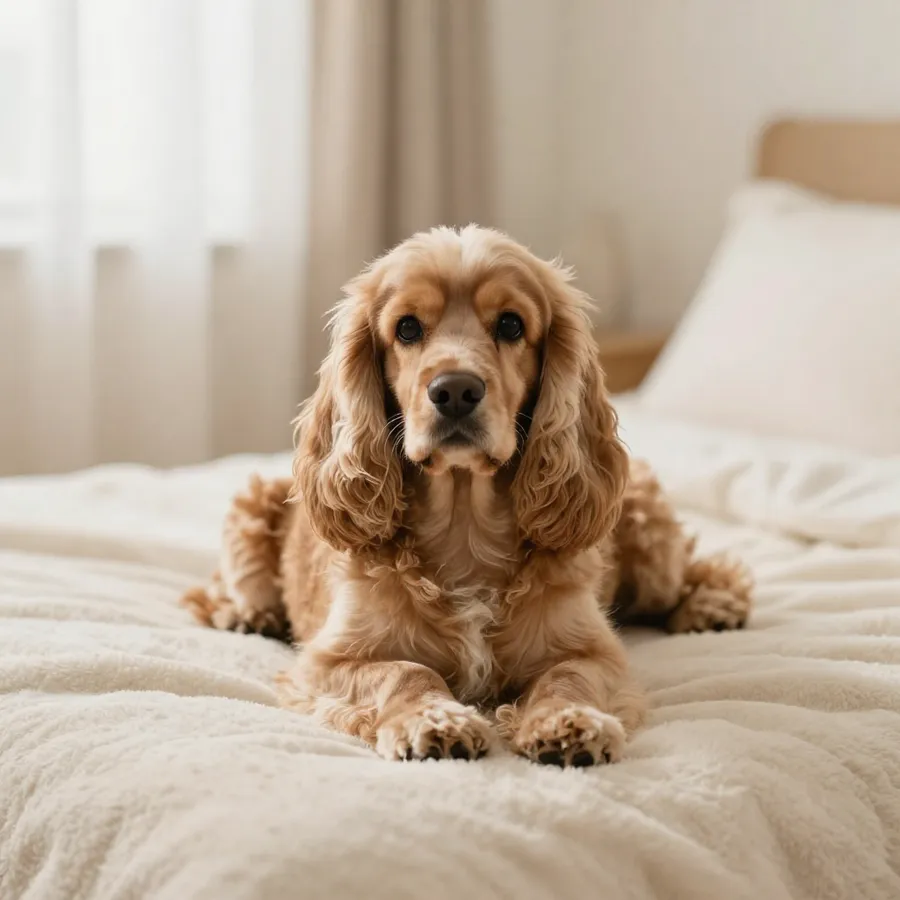 A happy life, one little thing at a time.
All dogs clothing & boots →Dog winter coats →Dog sweaters →Dog clothes →Dog bandanas →Dog shoes & boots →Dog hoodies →Dog raincoats →Dog shirts →Funny dog costumes →Dog bathrobes & drying coats →Dog dresses →Waterproof dog boots →
↗Tracked US shippingEstimates on every item↶Returns & refundsHow it works♡Here to helpTalk to Giddy Pets
All dog puffer jackets
Little essentials. Lots of love.

Reflective dog coats
Padded Hooded Dog Coat with Reflective Sleeve Strips
- Options
- 10 to choose from
From $18.99
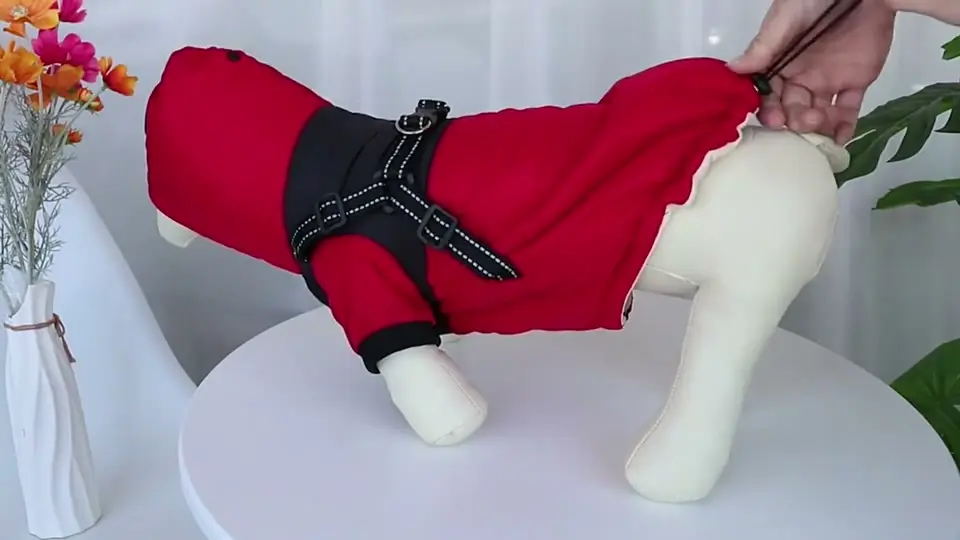
Waterproof dog coats
Hooded Dog Coat with Quilted Back and Adjustable Straps
- Options
- 20 to choose from
$23.99

Winter coats for small dogs
Hooded Parka-Style Dog Coat with Two Back Pockets
- Options
- 13 to choose from
From $19.99


Dog puffer jackets
Color-Block Hooded Dog Jacket with Front Sleeves
- Options
- 45 to choose from
From $18.99

Reflective dog coats
Windproof Night-Reflective Dog Jacket with Leash Holes
- Options
- 27 to choose from
From $19.99


Dog winter coats
Color-Block Padded Winter Dog Coat with High Collar and Pocket
- Options
- 10 to choose from
From $30.99


Dog winter coats
Cotton-Padded Dog Vest Coat with Adjustable Buckle
- Options
- 14 to choose from
From $33.99


Dog winter coats
Cotton-Padded Warm Dog Coat for Autumn and Winter
- Options
- 18 to choose from
From $23.99

Dog puffer jackets
Quilted Cotton Dog Jacket in Vest and Four-Leg Styles
- Options
- 87 to choose from
From $18.99

Dog winter coats
Gold Quilted Winter Dog Vest with Zipper and Leash Ring
- Options
- 6 to choose from
From $18.99


Dog winter coats
Hooded Padded Dog Coat with Button Closure in Blue or Wine Red
- Options
- 10 to choose from
$18.99

Dog winter coats
Hooded Winter Dog Coat with Quilted and Zip-Front Styles
- Options
- 54 to choose from
From $18.99

Dog winter coats
Lined Dog Shell Jacket with Gray Piping and Buckle Strap
- Options
- 15 to choose from
From $23.99
A little guidance
Help choosing dog puffer jackets
Buying guides and care advice written for this range: what to measure, what matters and what to skip.
From our guides
These are the padded winter coats from our dog clothing range: quilted puffer-style jackets with D-rings for attaching a leash, and waterproof padded winter jackets. They are for dogs that feel the cold on winter walks: small and toy breeds, lean short-coated dogs, seniors and clipped dogs, especially in the northern and mountain states where winters bite.
Which dogs need a puffer jacket
The American Kennel Club lists the dogs that most often need a winter coat: small and toy breeds, hairless breeds, dogs with clipped or shaved coats, short-legged dogs whose bellies touch snow, lean short-coated breeds such as greyhounds, whippets and Vizslas, and puppies, seniors and dogs with arthritis.
Thick double-coated breeds such as Huskies, Malamutes and Bernese Mountain Dogs are built for cold and rarely need one. If you are unsure, the American Kennel Club suggests asking your vet, and watching your dog: shivering, lifting paws or slowing down are signs it is cold.
Measuring for a winter coat
The American Kennel Club advises measuring your dog's body length and the widest part of the chest, then checking the size chart for any other measurements it needs, such as the neck. Measure with your dog standing and a soft tape.
Choose by chest first. A puffer that is tight across the chest rides up and restricts the front legs. Long-backed dogs may need a size chosen by length and then adjusted around the chest with the straps.
Fit, D-rings and harnesses
The American Kennel Club says your dog should be able to walk, run and play comfortably in a coat, which should not be so loose it could tangle. Check the leg openings and that the coat stops short of where a male dog urinates.
D-rings on the back let you clip a leash to the jacket's built-in strap or thread one through to a harness underneath. The American Kennel Club recommends looking for a harness opening so the coat works with a back-clip harness.
Waterproofing and care
Padding loses much of its warmth when soaked, so a water-resistant outer shell matters for snow and sleet. Dry the coat fully after each wet walk before the next one, and shake off snow at the door.
Most padded coats can be machine washed on a gentle, cool cycle and air dried; check the label. Take the coat off indoors so your dog does not overheat, and check the skin under the straps for rubbing after the first few wears.
Puffer jackets for different climates
In cold, dry winters a padded jacket on its own keeps most small and short-coated dogs comfortable on walks. In wet, slushy winters, the outer shell matters as much as the padding, because soaked insulation loses most of its warmth.
For mild winters, a padded jacket can be too warm for a brisk walk, and a fleece or light coat may suit better. Feel your dog's chest and ears after a walk: if your dog is hot and panting, the coat is too heavy for the day; if it is shivering, it needs more.
Does my dog need a puffer jacket?
Small, lean, short-coated, clipped, young and older dogs often benefit in cold weather. Thick double-coated breeds rarely do. Shivering or reluctance to walk are signs your dog is cold.
How do I measure my dog for a winter coat?
Measure back length from the base of the neck to the base of the tail and chest at its widest point. Use chest as the main guide against the size chart.
Can my dog wear a coat with a harness?
Yes. Use the D-ring or harness opening to thread the leash through to a harness underneath, or put the harness on top if the coat is thin enough.
How cold is too cold for my dog without a coat?
It depends on the dog. Small, short-coated and older dogs feel cold sooner than thick-coated breeds. Watch for shivering and lifting paws, and shorten walks in freezing weather.