







Dogs
Dog beds
Cozy spots for long naps.
168 items picked for everyday life with your pet, with shipping estimates on every item.
 Their favorite place in the house.
All dogs beds & furniture →Dog crates →Dog blankets →Elevated dog beds →Dog couches & sofa beds →Dog cooling mats →Orthopedic dog beds →Dog houses →Dog mattresses →Donut dog beds →Dog couch covers →Dog crate beds →Dog steps for couch →
↗Tracked US shippingEstimates on every item↶Returns & refundsHow it works♡Here to helpTalk to Giddy Pets
All dog beds
Little essentials. Lots of love.
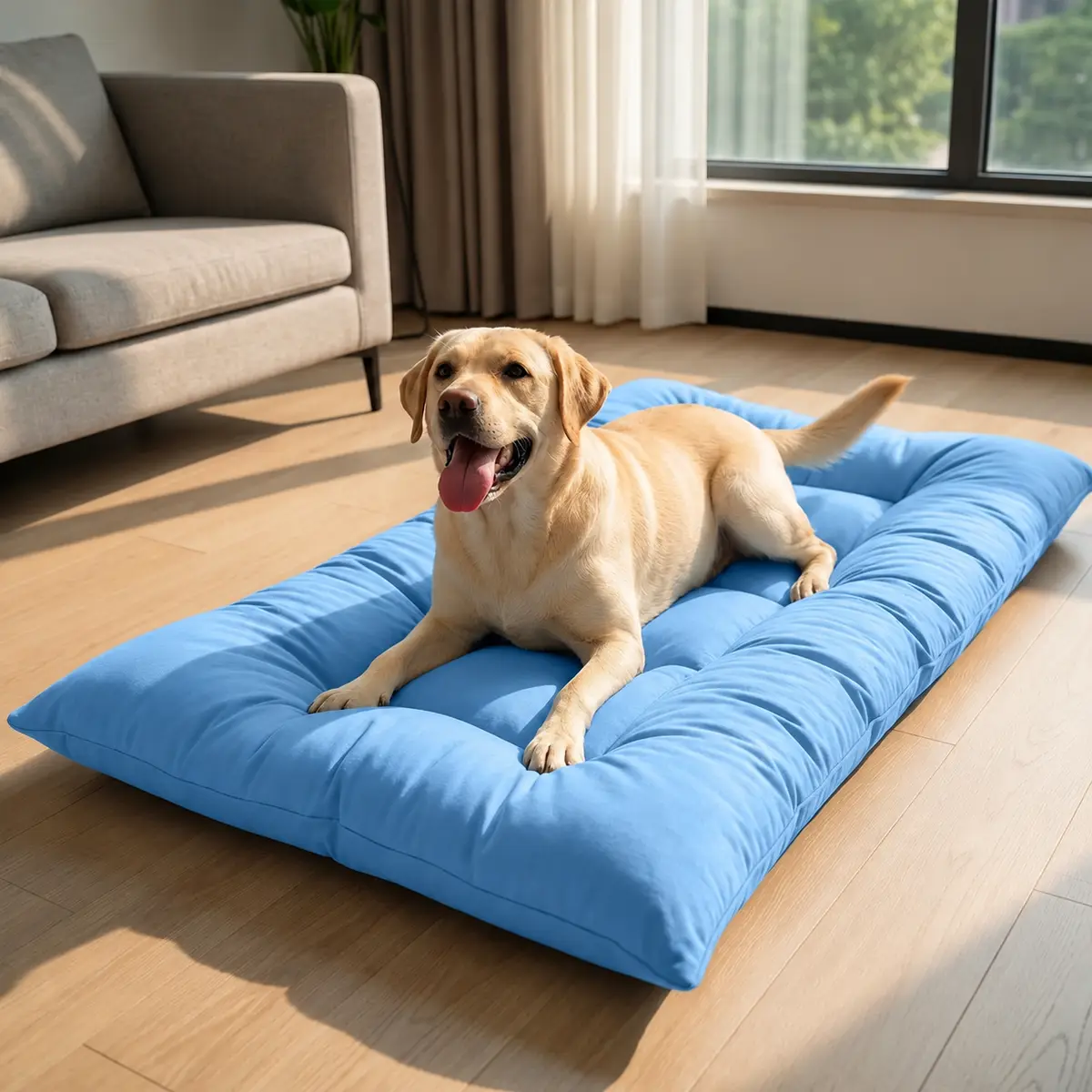


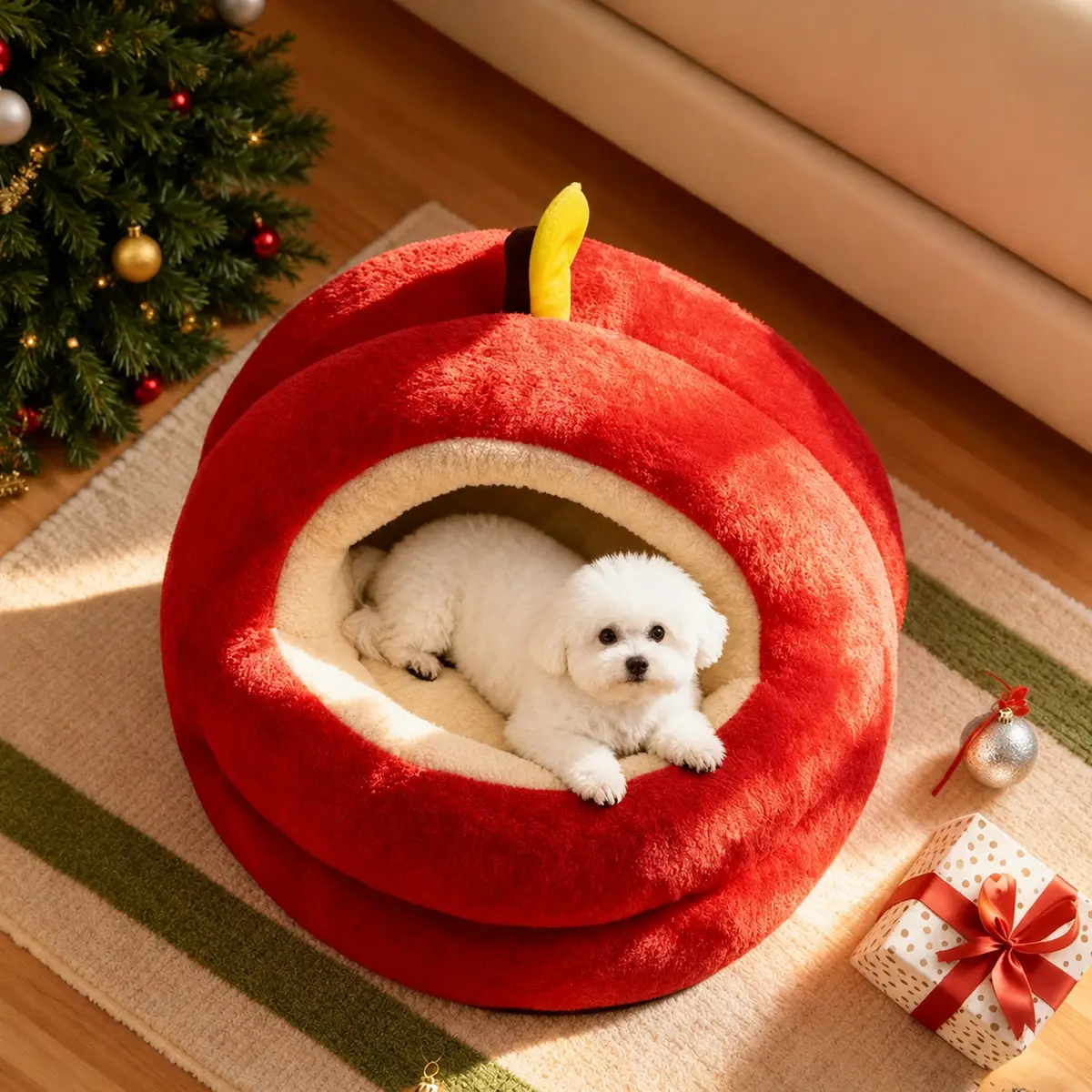

Travel dog beds
Elevated Camping Pet Cot with Optional Mat and Canopy
- Options
- 3 to choose from
From $43.99


Dog beds for medium dogs
Bone-Pattern Bolster Pet Bed and Accessory Options
- Options
- 48 to choose from
From $22.99

Bolster dog beds
Machine-Washable Gray Dog and Cat Bed in Two Sizes
- Options
- 2 to choose from
From $56.99
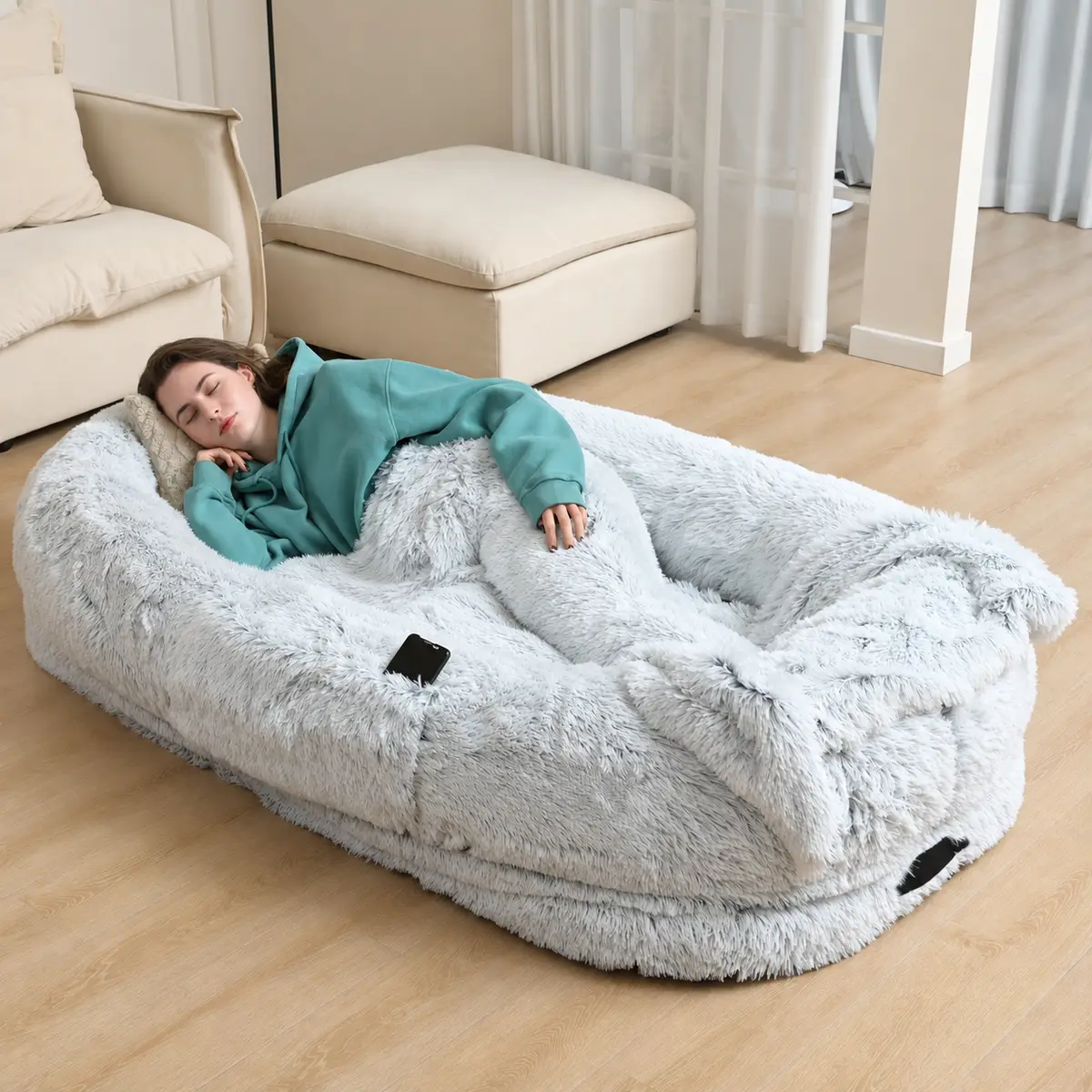
Human-size dog beds
Oversized Faux-Fur Dog Bed with Pillow and Blanket
- Options
- 11 to choose from
From $94.99


A little guidance
Help choosing dog beds
Buying guides and care advice written for this range: what to measure, what matters and what to skip.
From our guides
- Best Dog Beds: How to Choose One Your Dog Will Actually Use →
- Best Personalized Dog Beds: What Actually Matters →
- How Often Should You Replace a Dog Bed? →
- Best Bedding for Guinea Pigs: What Is Safe and Easy to Clean →
- Best Bolster Dog Beds: What Actually Matters →
- Best Calming Dog Bed: What Helps an Anxious Dog Settle →
This page brings together our dog beds: fleece and plush nest beds, corduroy bolster beds with raised rims, sofa-style beds with backrests and armrests, flat rectangular beds for medium and large dogs, and elevated cots with canopies for porches and yards. It is for anyone choosing a first bed or replacing a flattened one, and the advice below covers sizing, sleep style and washing.
Match the bed to how your dog sleeps
Start by watching your dog nap. Dogs who curl into a tight ball, tuck their nose under their tail or burrow under blankets usually love a round nest or bolster bed with a raised rim to lean against. Dogs who sprawl on their side or flip onto their back need a flat, rectangular bed with room to stretch.
Dogs who rest their head on the arm of the couch tend to choose a sofa-style bed with a backrest and bolsters on three sides. For dogs who run hot or spend time outdoors, a raised cot lets air flow underneath and keeps them off warm pavement or damp grass.
How to measure for the right size
Measure your dog lying in their usual sleeping position. For a stretcher, measure from nose to the base of the tail and add a few inches; for a curler, measure across the curled-up circle. When in doubt, size up, because a bed that is too small gets abandoned for the floor.
Weight matters as well as length. Heavier dogs compress thin fill quickly, so for dogs over about 50 pounds, look for deeper cushions or an elevated cot with a taut fabric deck. Our page of dog beds for large dogs focuses on those bigger sizes.
Bed styles on this page
The range includes soft fleece nest beds, plush bolster beds with corduroy bases, checkered and frilled plush mats, sofa beds with backrests and armrests, and four-sided washable beds. There are also compact luxury beds for small dogs with hidden storage built into the base.
For outdoor and travel use, elevated beds with removable canopies give shade and lift the dog off the ground. These frames fold flat and are the easiest of all beds to hose down, which makes them practical for muddy seasons and camping trips.
Washing and keeping a bed fresh
A dog bed collects hair, dander and dirt faster than any other piece of furniture. Choose a bed with a removable, machine-washable cover where possible, and wash it every week or two, more often during shedding season or after a muddy walk.
Between washes, vacuum the bed and shake out loose fill. If your dog has accidents, a waterproof liner under the cover saves the cushion. Replace a bed when the fill stays flat after fluffing, because a flattened bed gives no more cushion than the floor.
Puppies, seniors and chewers
Puppies are hard on beds. A simple, inexpensive washable mat in the crate is a sensible start until chewing settles down, and you can move to a plush bolster bed once your puppy stops treating the rim as a toy.
Older dogs benefit from a bed that is easy to step into and thick enough to keep hips and elbows off the floor. A low entry and a supportive, deep cushion matter more than decoration. If your dog starts struggling to get up from any bed, mention it to your vet at the next visit.
Sleeping surfaces and raised edges
| Bed layout | Construction described | What to measure |
|---|---|---|
| Fleece nest or bolster | Soft body with a raised surrounding edge | Usable center inside the rim |
| Plush mat | A flatter fabric sleeping surface | Full usable length and width |
| Sofa bed | Backrest and armrest structure | Seat dimensions and entry edge |
| Storage-base bed | Storage built beneath the resting area | Resting area separately from the base |
| Elevated canopy bed | Raised frame with an overhead cover | Bed surface,frame and deployed canopy clearance |
What is the most comfortable type of dog bed?
The most comfortable bed is the one that matches how your dog sleeps. Curlers usually prefer bolster or donut beds, while dogs who stretch out are happier on a flat rectangular bed or a raised cot.
How big should my dog's bed be?
Measure your dog from nose to tail base while lying down and add several inches. If your dog falls between two sizes, choose the larger one so there is room to turn and stretch.
How often should I wash my dog's bed?
Wash the cover every one to two weeks, and sooner after muddy walks or accidents. Vacuum between washes. A removable cover makes this much easier than washing the whole bed.
Are elevated dog beds good for dogs?
Elevated beds suit dogs who run warm or rest outdoors, because air moves under the fabric deck. They are easy to clean and keep dogs off cold, hot or damp ground.