







Car seats for small dogs
Detachable Washable Pet Car Seat Carrier with Carry Handles
- Options
- 3 to choose from
$81.99
Free US shipping over $49 · 30-day free returns · Happy pets, happy homes
Pet care guidesDogs
Every journey, together.
18 items picked for everyday life with your pet, with shipping estimates on every item.
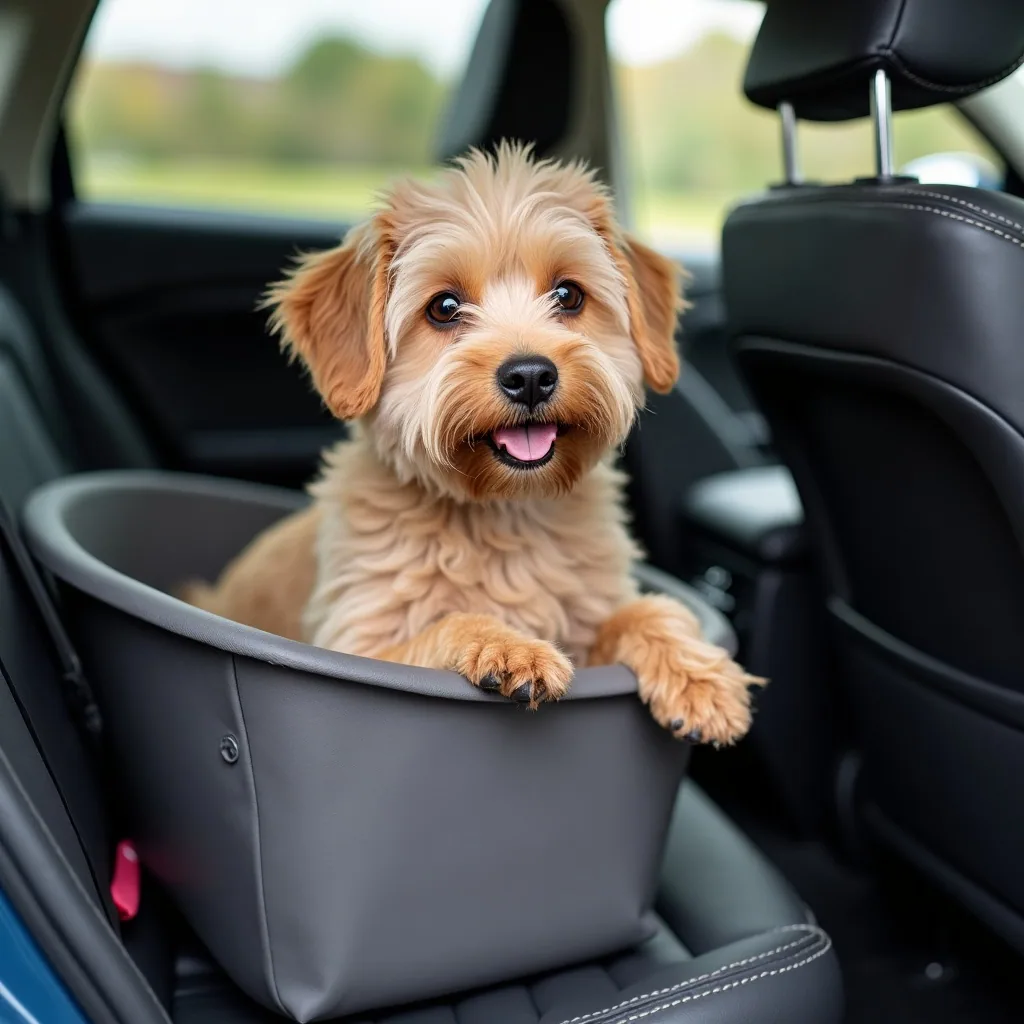 Safe and settled on the move.
Car seats for small dogs
$81.99

Dog booster seats
$73.99

Dog car seats
$62.99
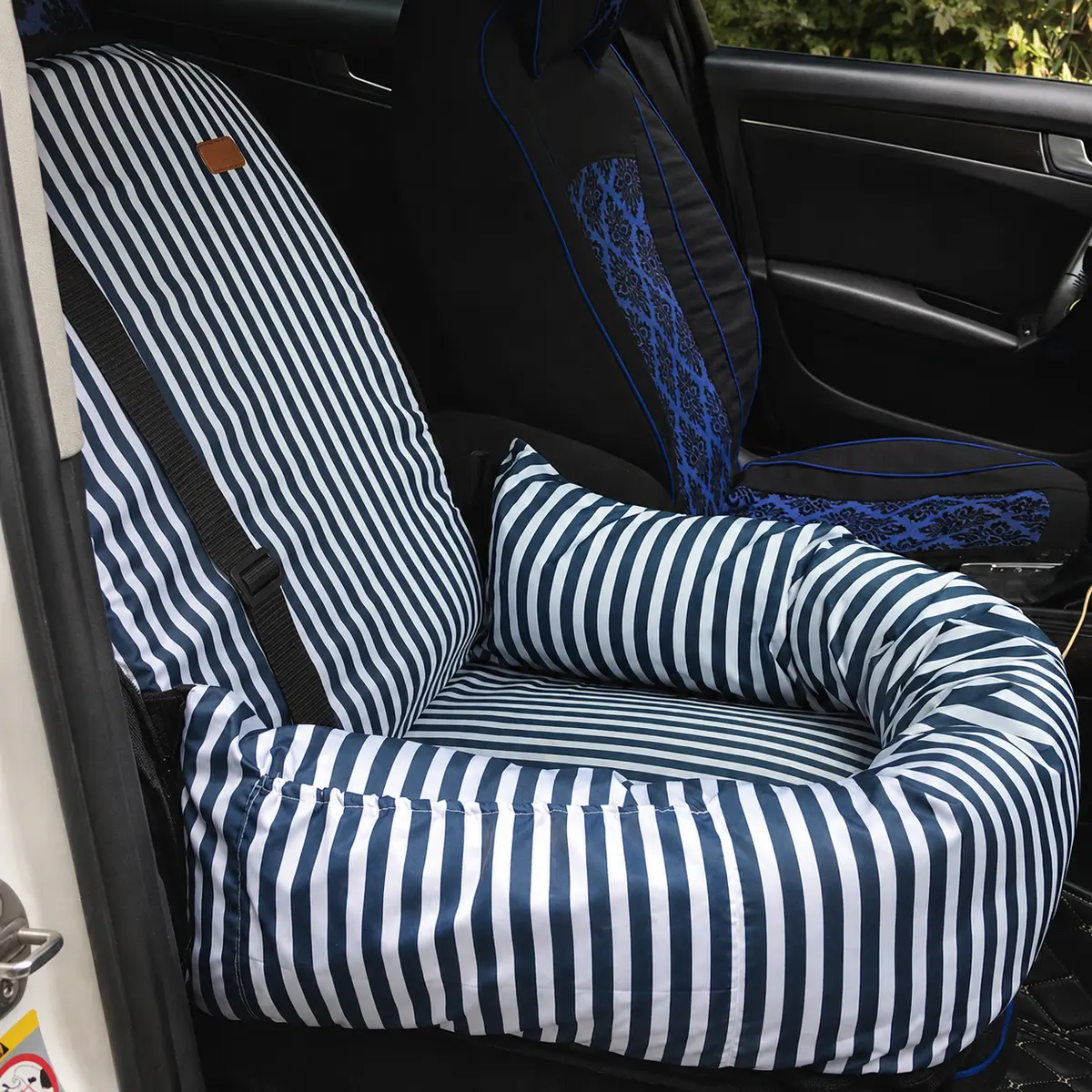


Car seats for small dogs
From $92.99


Car seats for small dogs
From $29.99

Dog booster seats
From $76.99


Dog car beds
$89.99
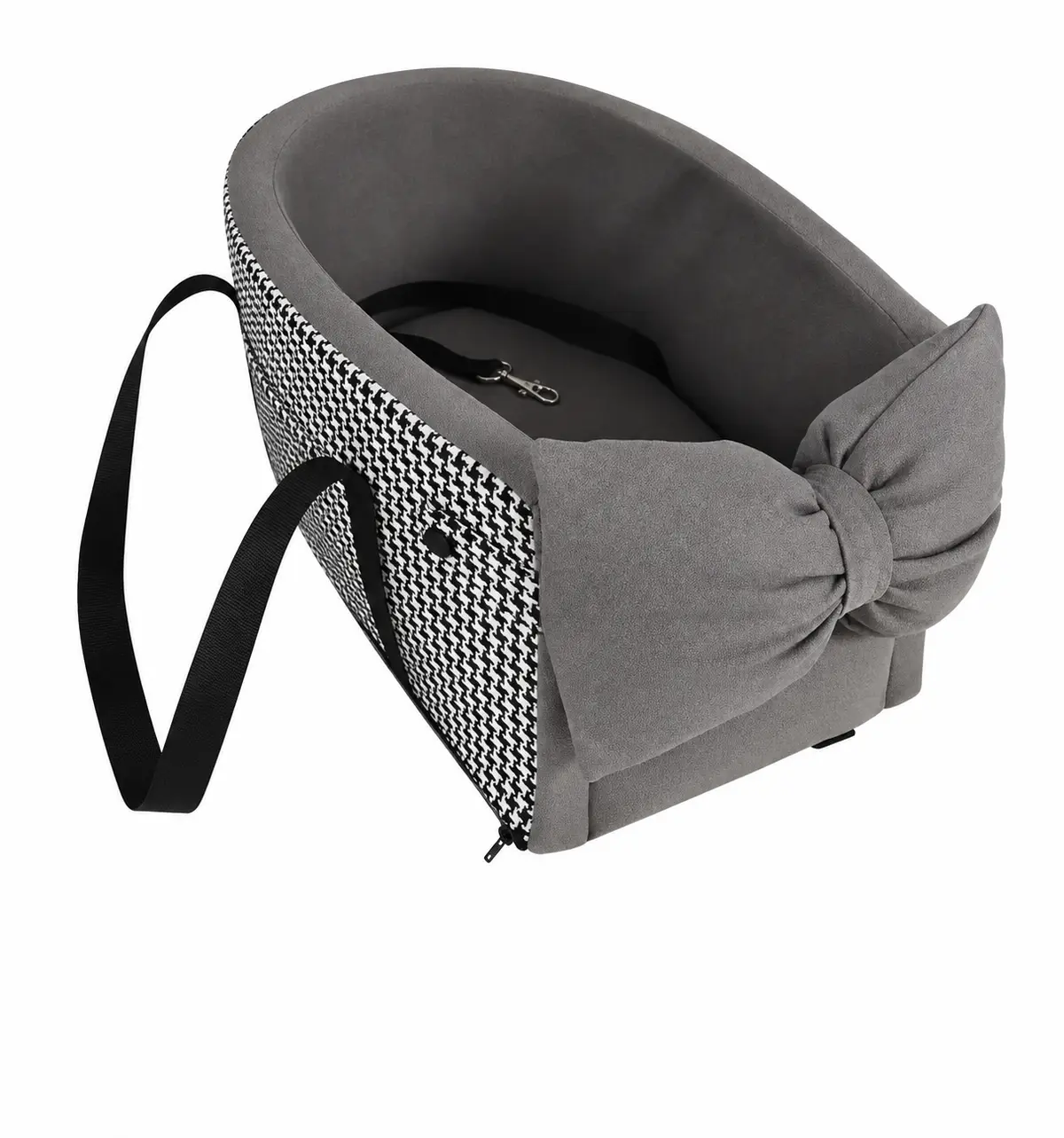
Car seats for small dogs
From $41.99


Car seats for small dogs
$56.99


Car seats for small dogs
$95.99
A little guidance
Buying guides and care advice written for this range: what to measure, what matters and what to skip.
These are car seats sized for small dogs, from our Dog Car Seats range: raised booster seats with safety tethers, quilted and padded booster beds, a carrier that doubles as a car seat, and a seat with storage pockets. They suit Dachshunds, French Bulldogs, Chihuahuas and other small breeds that want to see out of the window and need to stay put on the back seat.
A small dog loose in a car can end up in the driver's footwell or on your lap, and the American Kennel Club warns that a dog in the front seat can be very dangerous for the driver, the dog and others. It recommends the back seat, away from airbags.
A booster seat lifts a small dog high enough to see out, and the American Kennel Club notes that facing forward and seeing where they are heading may ease an upset stomach. A seat with a tether also stops your dog wandering, which keeps your attention on the road.
Every booster here has a short internal tether. Clip it to a harness, never to a collar, so a sudden stop does not pull on your dog's neck. Adjust it so your dog can sit, stand and lie down but cannot climb out or reach the front seats.
Strap the seat itself firmly to the car, using the headrest and seat belt straps provided. A booster that slides around offers little benefit. Keep windows mostly closed; the American Kennel Club advises against dogs putting their heads out of a moving car.
Measure your dog lying curled up and sitting, and check the seat's weight limit; most boosters are designed for small dogs only. Your dog should be able to turn and lie down inside without hanging over the rim.
Low-sided seats suit calm dogs that like to look out. Deeper, bolstered seats suit dogs that like to curl up and sleep on longer drives. A carrier-style seat that lifts out is handy if you go straight from the car into a store or a vet's office.
Introduce the seat at home first, then on short drives to good places such as a park. Bring water on longer trips and stop every couple of hours for a break and a short walk.
Never leave a dog in a parked car on a warm day, even with the windows open. If your dog drools, pants heavily or vomits on drives, talk to your vet about car sickness, since there are ways to help.
They keep a small dog contained, visible and away from the driver when strapped into the back seat with the tether clipped to a harness. They are not a substitute for crash-tested restraints.
In the back seat. The American Kennel Club says the back is best for dogs because it keeps them away from airbags and from distracting the driver.
Choose one long enough for your Dachshund to lie down without curling tightly, with a weight limit above your dog's weight. A low entry helps protect its back.
No. Always clip the tether to a harness. In a sudden stop, a collar attachment puts the force on your dog's neck and throat. Adjust it short enough that your dog cannot reach the edge of the seat.
They can help some dogs. The American Kennel Club notes that facing forward and seeing where they are going may ease an upset stomach. Talk to your vet if your dog is sick on every trip.