







Cats
Soft cat carriers
Little things. Happy cats.
17 items picked for everyday life with your pet, with shipping estimates on every item.
 A happy life, one little thing at a time.
↗Tracked US shippingEstimates on every item↶Returns & refundsHow it works♡Here to helpTalk to Giddy Pets
All soft cat carriers
Little essentials. Lots of love.

Cat backpacks
Clear-Sided Folding Pet Carrier with Mesh Access Door
- Options
- 8 to choose from
From $33.99

Cat sling carriers
Checkerboard Pet Tote with Mesh Panel and Side Opening
- Options
- 4 to choose from
$23.99


Cat backpacks
Mesh Pet Carrier Tote with Side Opening and Storage Pocket
- Options
- 6 to choose from
$33.99


Cat backpacks
Soft-Sided Pet Carrier with Mesh Panels and Shoulder Strap
- Options
- 11 to choose from
From $61.99

Soft cat carriers
Foldable Soft-Sided Pet Travel Carrier with Storage Pouch
- Options
- 2 to choose from
$80.99


Cat carriers
Portable Cat Carrier Bag with Shoulder Strap and Mesh Windows
- Options
- 2 to choose from
$63.99
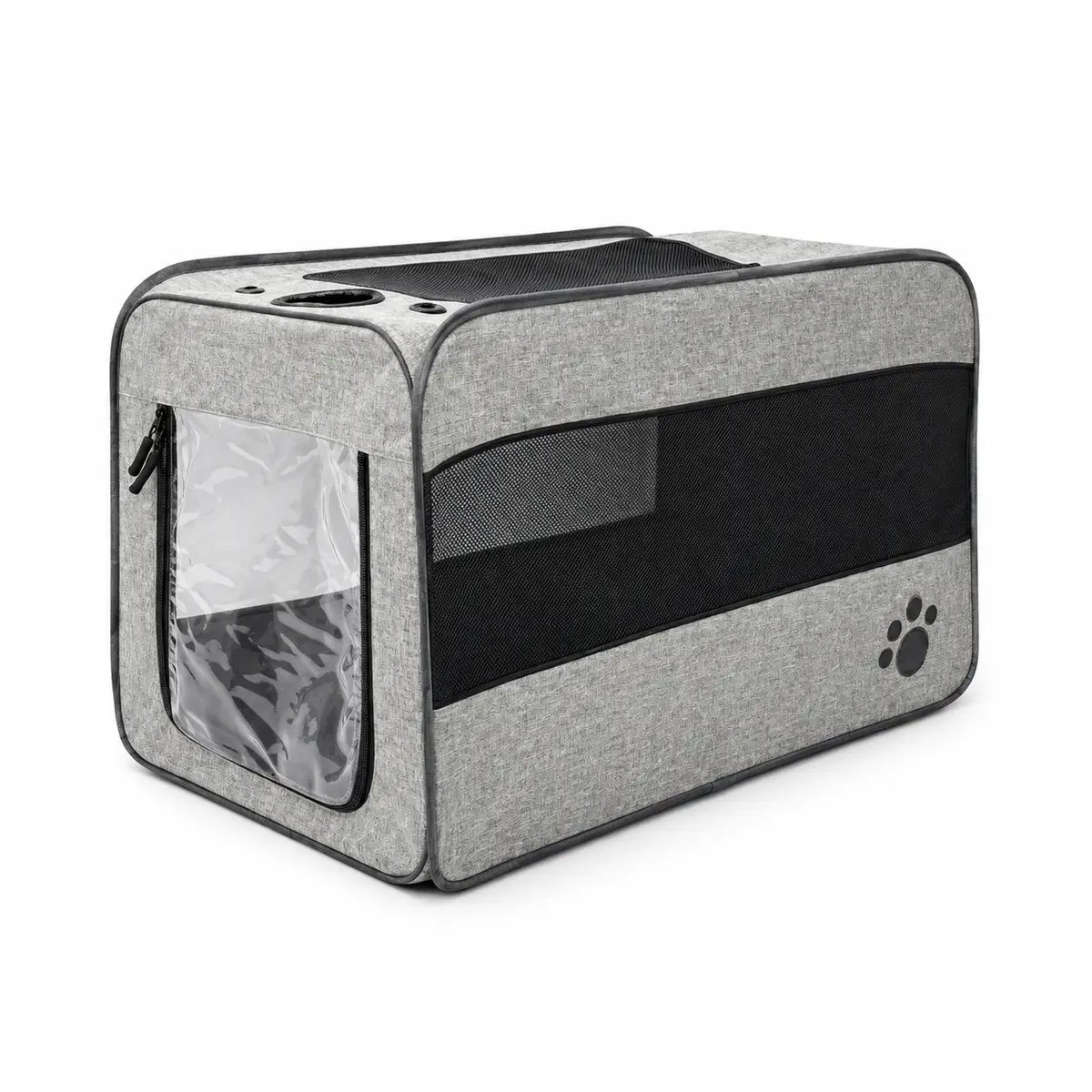
Soft cat carriers
Folding Soft Pet Crate with Washable Reversible Pad
- Options
- 10 to choose from
From $52.99

A little guidance
Help choosing soft cat carriers
Buying guides and care advice written for this range: what to measure, what matters and what to skip.
From our guides
- Soft vs Hard Cat Carrier: Which Is Better? →
- Best Airline Approved Cat Carrier: How to Choose One for Flying →
- Flying With a Cat: How to Make It Calm and Safe →
- Best Cat Backpack: How to Choose a Safe Backpack Carrier →
- Best Cat Carrier for Car Travel and Vet Visits →
- Best Cat Carrier for Large Cats: Size, Doors and Sturdiness →
This page narrows our cat carriers down to soft-sided designs: expandable soft-sided travel carriers with pull-out mesh rooms, foldable soft carriers that pack flat, a 39 inch portable soft-sided kennel for longer trips, and a cat handbag for short outings. It is for vet visits, car trips, in-cabin travel and cats who find a hard plastic carrier stressful.
Soft-sided or hard carrier
Soft carriers are lighter to carry, often fit more flexibly under an airline seat, fold away when not in use and are less noisy and clattery than plastic. Many cats settle better in a soft, padded carrier.
Hard carriers are easier to disinfect after an accident and a better choice for cats who claw or chew their way through fabric. Some vets prefer hard carriers with a removable top for nervous cats, so the cat can be examined in the bottom half.
Expandable and foldable carriers
Expandable carriers have zipped side panels that open out into a mesh room, giving your cat space to stretch out during long trips, at rest stops or in a hotel room. Keep them zipped closed while moving.
Foldable carriers collapse flat for storage. The 39 inch soft-sided kennel is a roomy option for road trips, with space for a small litter tray, bed and water. A cat handbag suits quick, calm outings with a relaxed cat.
Choosing the size
Your cat should be able to stand, turn around and lie down comfortably inside. Measure your cat's length from nose to base of tail and height when standing, and compare with the interior dimensions. Large cats such as Maine Coons need a large carrier.
For air travel, check your airline's maximum carrier size and pet rules before buying, since they vary between airlines.
Safety features
Look for strong zippers that lock or clip, mesh panels on several sides for airflow, a firm base that does not sag when lifted, and a padded shoulder strap. An internal safety tether that clips to a harness stops a cat bolting when you open a door.
In the car, secure the carrier with the seat belt through its straps or on the floor behind a front seat, so it cannot slide or fly forward when you brake.
Making the carrier less scary
Most cats only see their carrier on vet day, which is why they hide when it appears. Leave the carrier out at home with the door open and a familiar blanket inside, add treats or catnip, and let your cat nap in it. Practice short car rides that end at home with a reward.
On the day, a light spray of catnip or silvervine can help cats that respond. If your cat pants, drools or howls on every trip, ask your vet about ways to reduce travel stress.
Are soft-sided cat carriers safe?
Yes, if they have a firm base, secure zippers, good ventilation and are strapped in during car travel.
Is a soft or hard carrier better for vet visits?
Both work. Soft carriers are lighter and calmer for many cats; hard carriers with removable tops are easier for some exams.
What size carrier does my cat need?
One your cat can stand, turn around and lie down in. Measure length and height and check interior dimensions.
Can I take a soft cat carrier on a plane?
Many airlines accept soft carriers under the seat, but size limits vary. Check your airline's rules first.
How do I get my cat into a carrier?
Leave it out at home with bedding and treats so your cat uses it for naps. On travel days, lower your cat in gently rear first.