






Buying guides
Best Cat Backpack: How to Choose a Safe Backpack Carrier
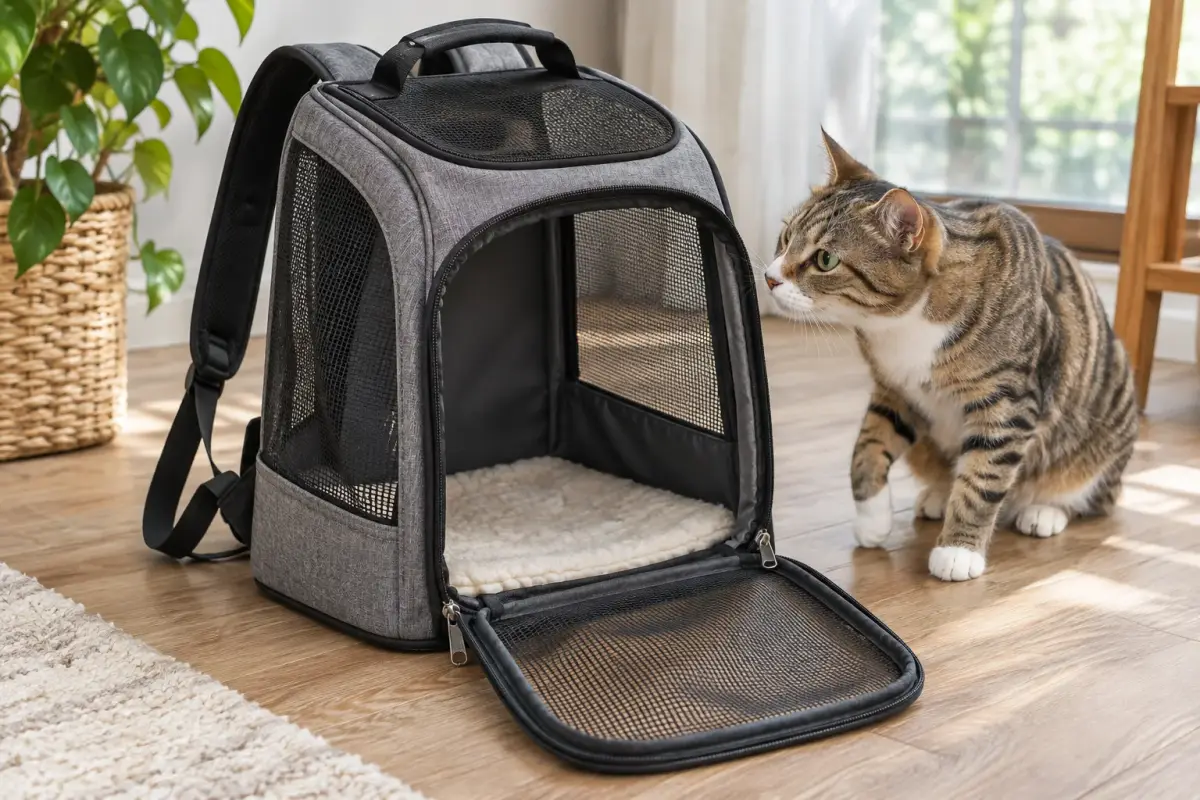
A good cat backpack is big enough for your cat to turn and lie down, ventilated on several sides, secure against escape with locking zippers and an internal tether, and comfortable for you with padded, adjustable straps. Ventilation matters more than the window: a clear bubble window looks fun but can heat up fast in the sun. Introduce the backpack at home long before the first trip.
By Matt GarnettUpdated November 14, 20263 min read2 sources
What matters most: room, air and security
Check the weight limit against your cat's weight and the interior against its size; your cat should be able to turn and lie down, not just sit. Many cat backpacks suit cats up to about 12 to 15 lb, and larger cats need an expandable or front-load design.
Airflow comes from mesh panels and vents on more than one side. Security comes from zippers that clip shut, a short internal leash tether that clips to a harness, and stitching that will not give if your cat pushes. VCA's advice that cats should always ride in a secure carrier applies on foot too.
Backpack styles compared
Bubble-window backpacks have a clear dome your cat can look out of. Some cats enjoy the view; others feel exposed. In sun, the plastic window can make the inside hot, so choose one with mesh vents and a shade cover. Mesh backpacks breathe better and are lighter.
Expandable backpacks unzip into a larger space for rest stops. Front-pack and sling carriers hold a small cat against your chest. Convertible backpack carriers with wheels or a top handle double as everyday carriers for vet trips.
Best type for each situation
For hiking, a mesh or vented backpack with a hip belt and chest strap so the weight sits on your hips, plus a shade cover and water for your cat. For city outings and vet trips, a convertible backpack with top and side openings; VCA notes top access makes getting a cat out easier.
For a shy cat, a backpack with a cover or darker panels, which lets it hide. For a large cat, an expandable or larger-frame pack, and consider whether a rolling or hard carrier suits you better (compare them in the best cat carriers guide).
What to avoid
Avoid backpacks with no ventilation other than the window, and avoid sunny, hot days with any closed carrier. Watch for open-mouth breathing or panting, which in a cat is a warning sign; get it into the shade, cool it and call your vet.
Avoid zippers without clips, which a determined cat can nose open, and avoid letting your cat out on a walk without a well-fitted harness and leash. Avoid long trips before your cat is calm in the backpack at home.
Getting your cat used to it
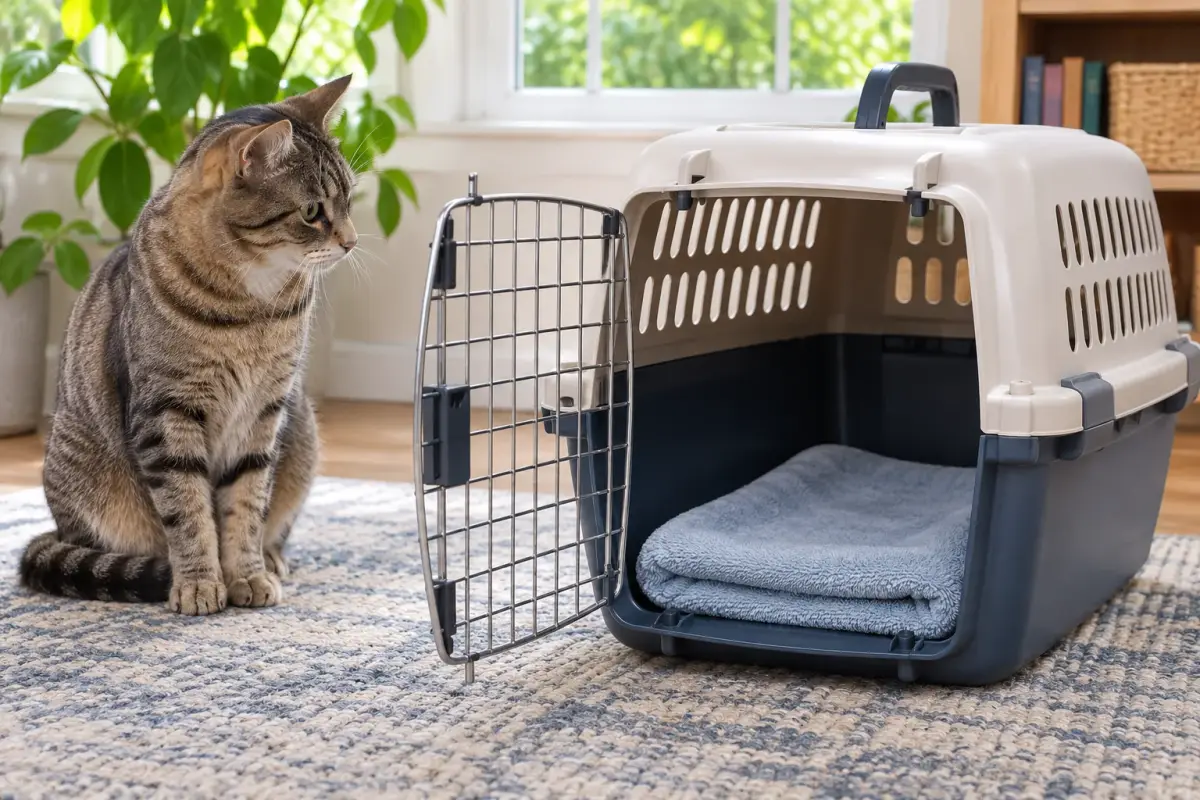
VCA's carrier advice works for backpacks (our guide to getting a cat in a carrier covers the steps): leave it out with a soft blanket, put treats, toys or part of a meal inside, never force your cat in, and build up to short, pleasant trips. VCA suggests many good trips for every stressful one.
Start with a minute or two indoors, wearing the backpack while you walk around, then a few minutes outside on a quiet day. Keep outings short at first and end them while your cat is still relaxed. TSA's travel tips make the same point for flying (see flying with a cat): get a pet used to its carrier in the days before a trip.
Care and lifespan
Wash the liner and wipe the inside after each use. Check zippers, tether clips and seams regularly.
Replace a backpack when mesh tears, zippers fail or the frame sags. Browse more cat backpacks or cat carriers when it is time. A cat that seems stressed in every carrier you try may do better staying home, and your vet can help if travel is unavoidable.
This page is general information, not veterinary advice, and it cannot replace an examination by the vet who knows your pet.
Cat-backpack openings and carrying conversions
| Format | Physical difference | What to verify |
|---|---|---|
| Bubble window | A clear dome on the carrier | Inside clearance and actual vents |
| Mesh front | Mesh forms part of the front | Mesh condition and openings |
| Expandable | A section unzips into a larger space | Closed and expanded footprints |
| Front pack or sling | Carrying position moves to the chest or side | Individual support and opening fit |
| Convertible wheels/handle | More than one carrying method | Each conversion and connection |
Common questions
Are cat backpacks safe for cats?
They can be, if the backpack is the right size, well ventilated, secure, and used out of hot sun, with a cat that has been introduced to it gradually. Always clip the internal tether to a harness.
Are bubble window cat backpacks bad?
Not inherently, but the clear plastic can trap heat in sun and some cats feel exposed. Choose one with mesh vents and a shade cover, and avoid using it on hot days.
What is the best cat backpack for hiking?
A ventilated backpack with a hip belt, chest strap, shade cover and secure tether, sized for your cat. Bring water, take breaks in the shade and keep first hikes short.
How do I get my cat used to a backpack?
Leave it open at home with a blanket and treats inside, let your cat explore it, then zip it briefly and reward. Build up to short walks indoors, then quiet outdoor trips.
Sources we checked
This guide is general information, not veterinary advice. If your pet is unwell or injured, contact your veterinarian.


