






Cat harnesses
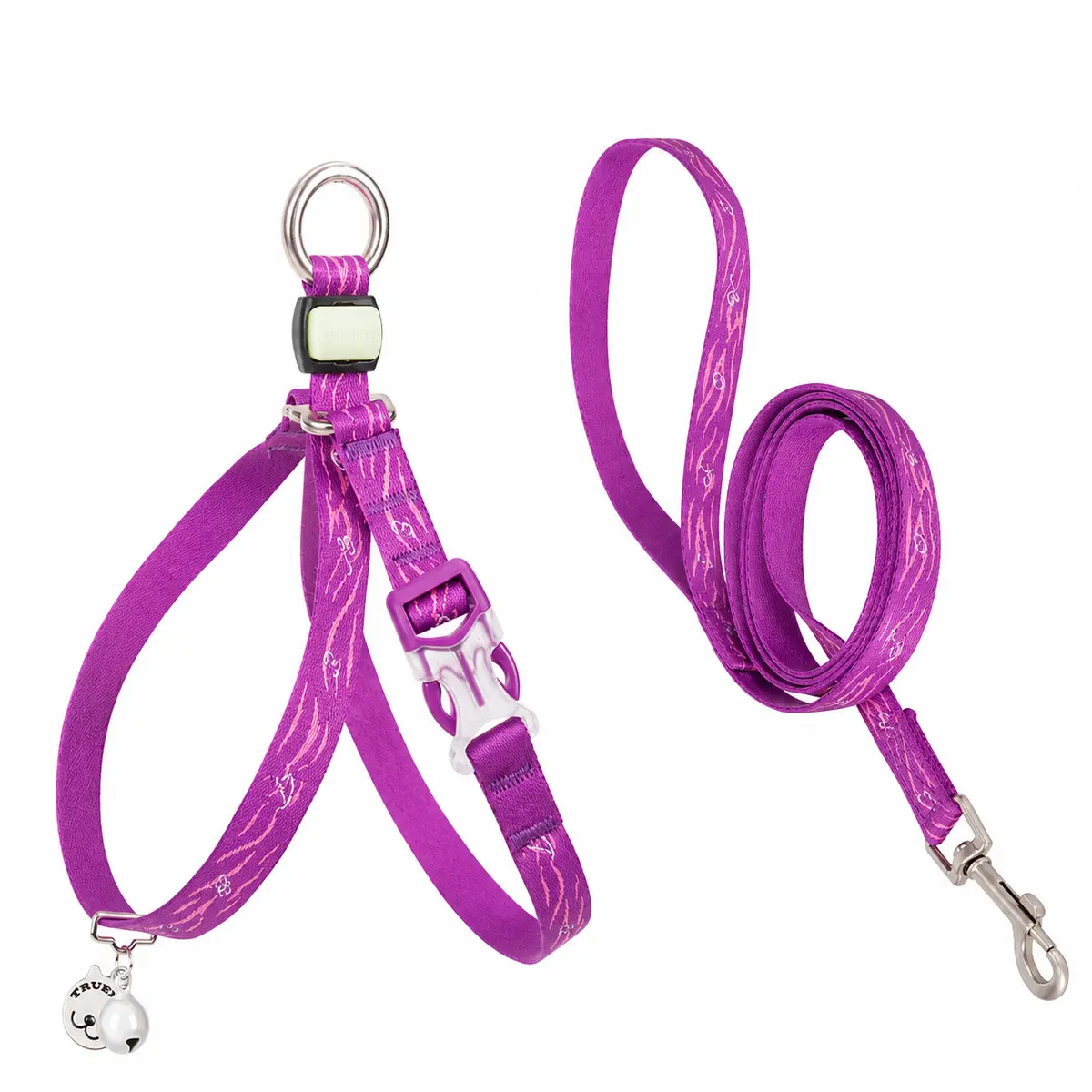
Adjustable Cat Strap Harness with Bell and Matching Leash
- Options
- 15 to choose from
From $25.99
Free US shipping over $49 · 30-day free returns · Happy pets, happy homes
Pet care guidesCats
Little things. Happy cats.
23 items picked for everyday life with your pet, with shipping estimates on every item.
 A happy life, one little thing at a time.
Cat harnesses
From $25.99
Escape proof cat harnesses
From $12.99

Dog vest harnesses
$14.99

Dog harnesses
From $19.99

Leather dog harnesses
From $18.99


Escape proof cat harnesses
From $18.99
Dog vest harnesses
$17.99

Cat harnesses
From $16.99
Escape proof cat harnesses
$18.99

Dog vest harnesses
From $18.99


Escape proof cat harnesses
From $16.99


Cat harnesses
From $16.99

Cat harnesses
From $23.99


Cat harnesses
From $20.99


Cat harnesses
From $19.99

Cat harnesses
From $19.99


Cat harnesses
From $16.99
A little guidance
Buying guides and care advice written for this range: what to measure, what matters and what to skip.
These are harnesses made for cats and kittens: soft vest harnesses, step-in designs, adjustable control vests, and novelty styles with wings, bee or bunny details, almost all sold as a set with a leash. The page is for indoor cat owners who want to give their cat safe time outside, take a cat on a trip, or start leash training a kitten early.
Cats are flexible and quick, and VCA Animal Hospitals advises walking them on a harness because collars are too easily slipped off. A harness also spreads any pull across the chest and shoulders instead of the throat, which matters when a startled cat bolts.
Vest harnesses cover more of the body and are the hardest for a cat to wriggle out of, which makes them a good first choice. Step-in harnesses avoid lifting anything over the head, which some cats dislike. Whatever the style, it has to be sized so your cat cannot back out of it.
Measure around the neck and around the chest just behind the front legs with a soft tape. Choose the size that brackets both numbers, and for kittens pick one with plenty of adjustment so it lasts as they grow.
Adjust it so you can slide a finger or two under the straps without it being loose enough to slip over the shoulders. Then test indoors: hold the leash, let your cat walk backward, and see whether the harness stays on. A harness that slides on a backward pull will come off outside.
VCA's step-by-step approach starts indoors. Put the harness on for short periods with treats and play until your cat ignores it, then clip on the leash and follow your cat around the house so it gets used to the weight. Guide with gentle pressure and treats, and never drag.
Only go outside when your cat is relaxed indoors. Start with a few minutes in a quiet yard or driveway and let your cat set the pace. Some cats take to it quickly, some never want to leave the doorstep, and both are normal.
Use a lightweight leash of about 4 to 6 feet, which VCA recommends over long or retractable leashes that let a cat climb a tree or a fence. Avoid busy streets, dogs and loud places, and pick your cat up if something frightens it.
Time outside brings contact with fleas, ticks and stray animals, so check with your vet that vaccinations and parasite prevention are up to date before you start. Make sure your cat is microchipped and your contact details are current in case it ever slips free.
Most harnesses here come with a matching leash, which is usually the right weight for a cat. A heavy dog leash drags on a small harness and can make a cat feel held down, so keep to something light with a small clip.
Hold the leash loosely and follow rather than lead. Cats do not walk to heel; they explore, stop, sniff and change direction. Keep the leash short enough that your cat cannot reach a tree trunk or slip under a fence, and pick your cat up rather than pulling if it needs to move away from danger.
Kittens of a few months old often accept a harness with little fuss because everything is new to them. Older cats can learn too, but expect it to take longer. Some cats flop over or freeze the first time a harness goes on, which is normal and fades with short, positive sessions.
Leave the harness on for only a few minutes at first, with a meal or a game, then take it off before your cat starts to object. Never leave a harness on an unsupervised cat, since it can catch on furniture.
Yes. Kittens often accept a harness more easily than adult cats. Choose a kitten size with lots of adjustment, check the fit every couple of weeks, and keep early sessions short and rewarding.
A vest harness is usually the most escape-resistant because it covers more of the body. Step-in harnesses suit cats that dislike things going over their head. Fit matters more than style.
Snug enough that it stays on when your cat walks backward, with room to slide a finger or two under the straps. Check it does not rub behind the front legs.
A small dog harness may fit, but cat harnesses are cut for a cat's narrower shoulders and greater flexibility, which makes them harder to escape. A cat-specific design is the safer choice.