Buying guides
Best Cat Harness and Leash: How to Choose One a Cat Can't Escape
The best cat harness is an escape-resistant vest or an adjustable H-style harness that fits snugly around the chest and neck, paired with a light leash of about 6 feet. Cats are far better at backing out of gear than dogs, so a secure fit decides everything. Figure-eight designs are the easiest for a cat to slip.
By Matt GarnettUpdated November 14, 20264 min read2 sources
What matters most in a cat harness
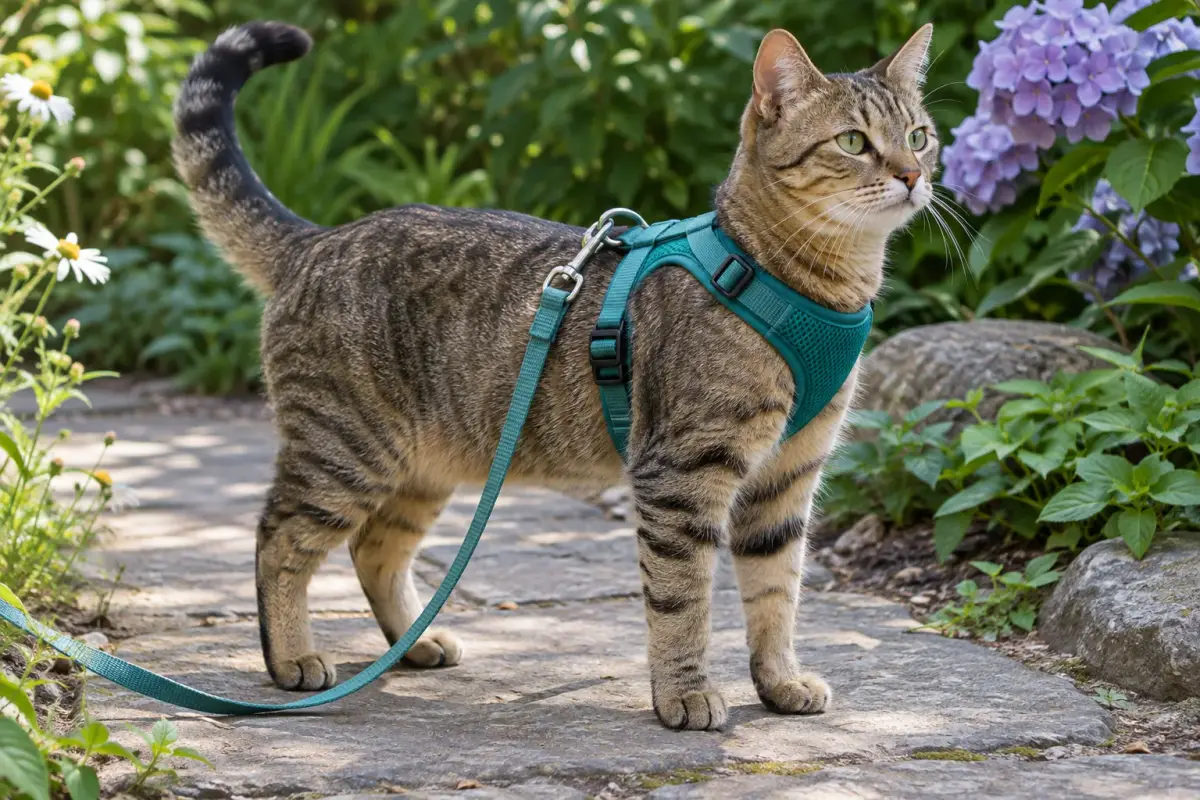
Security comes first. A frightened cat pulls backward and twists, and a loose harness slides over the shoulders in seconds. Look for a design that wraps the chest behind the front legs as well as the neck, with at least two adjustment points and buckles that cannot be pushed open by a struggling cat. You should be able to fit one finger, not two, under the straps.
Comfort comes second, because a cat that hates its harness will freeze or flop on its side. Choose lightweight, soft mesh or padded nylon with no heavy hardware sitting on the spine. The leash ring should sit on the back, between the shoulder blades, so pressure spreads across the chest and never pulls on the throat. Our escape-proof cat harnesses are a good group to compare against these points.
Vest, H-style and figure-eight harnesses compared
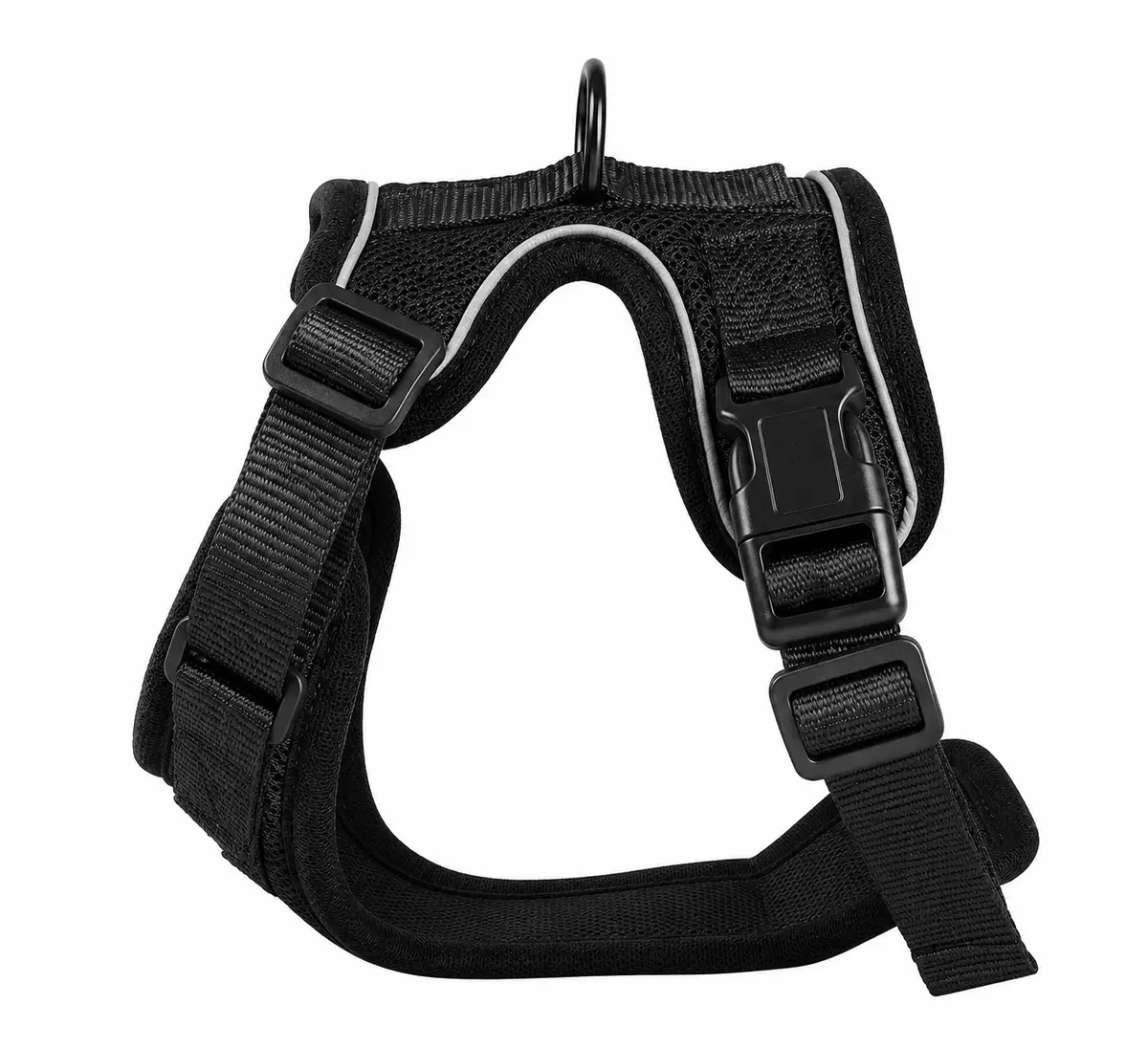
Vest or jacket harnesses cover a wide panel of the chest and back and fasten with hook-and-loop and a buckle. They spread pressure widely and are the hardest to back out of, which makes them the usual choice for nervous cats and first-timers. Their drawback is warmth in summer and a fit that can gape on very slim cats.
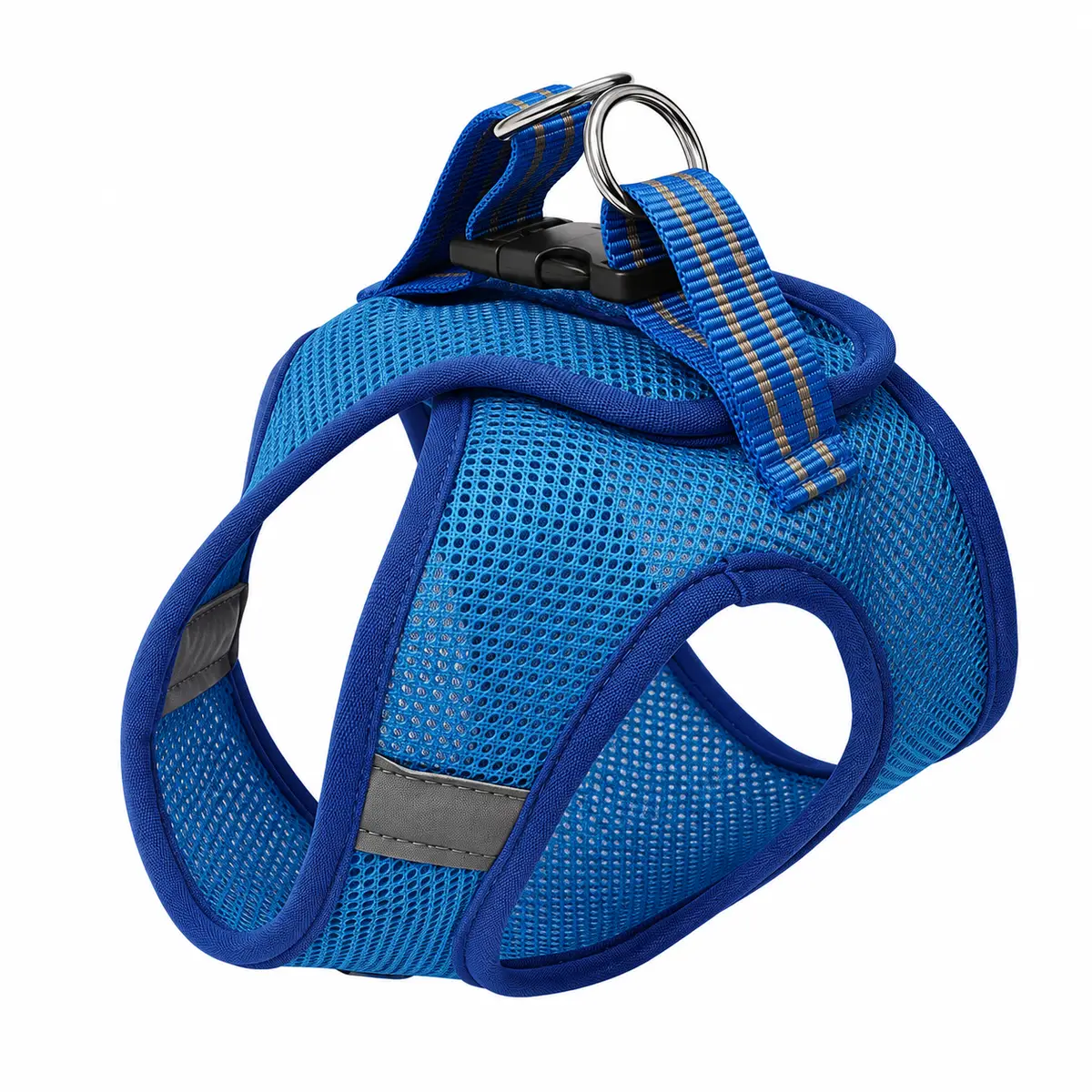
H-style harnesses use two loops, around the neck and the chest, joined by a strap along the back. They are lighter and more adjustable, and suit confident cats and hot weather. Figure-eight or simple strap harnesses are the lightest but the easiest to slip, so keep them for calm, trained cats. Whatever the style, check the fit again after five minutes, once the cat has relaxed.
Choosing the leash
A cat leash should be light, about 4 to 6 feet long, with a small clip. Heavy dog leashes drag on a cat's back and feel like a restraint, which many cats resist by refusing to move. A bungee section can soften the jolt if a cat bolts, but avoid retractable leashes, which let a cat get far enough to reach a tree, a road or a dog before you can react.
Some owners prefer a long training line of 10 to 15 feet in a safe, enclosed yard, which lets the cat explore at its own pace. Always hold the leash; never tie a cat out on a lead unattended, because a cat can tangle, panic and injure itself, or be cornered by another animal.
The best type for each cat
For a kitten, choose a small, adjustable H-style or vest harness and start early, because young cats accept new things more easily. Expect to resize as it grows. For a large or long-bodied cat, look for a vest with a sizing range that extends far enough around the chest; many cat harnesses stop at around 16 inches, which is too small for some big cats.
For a nervous cat, a secure cat vest harness worn indoors for short sessions is the only sensible starting point. For an escape artist, look for a vest with an extra strap behind the ribs, or compare an anti-escape cat harness with leash. The Ohio State Indoor Pet Initiative lists harness walks among the ways to give an indoor cat safe outdoor time, alongside screened porches and window perches.
How to measure and introduce a harness
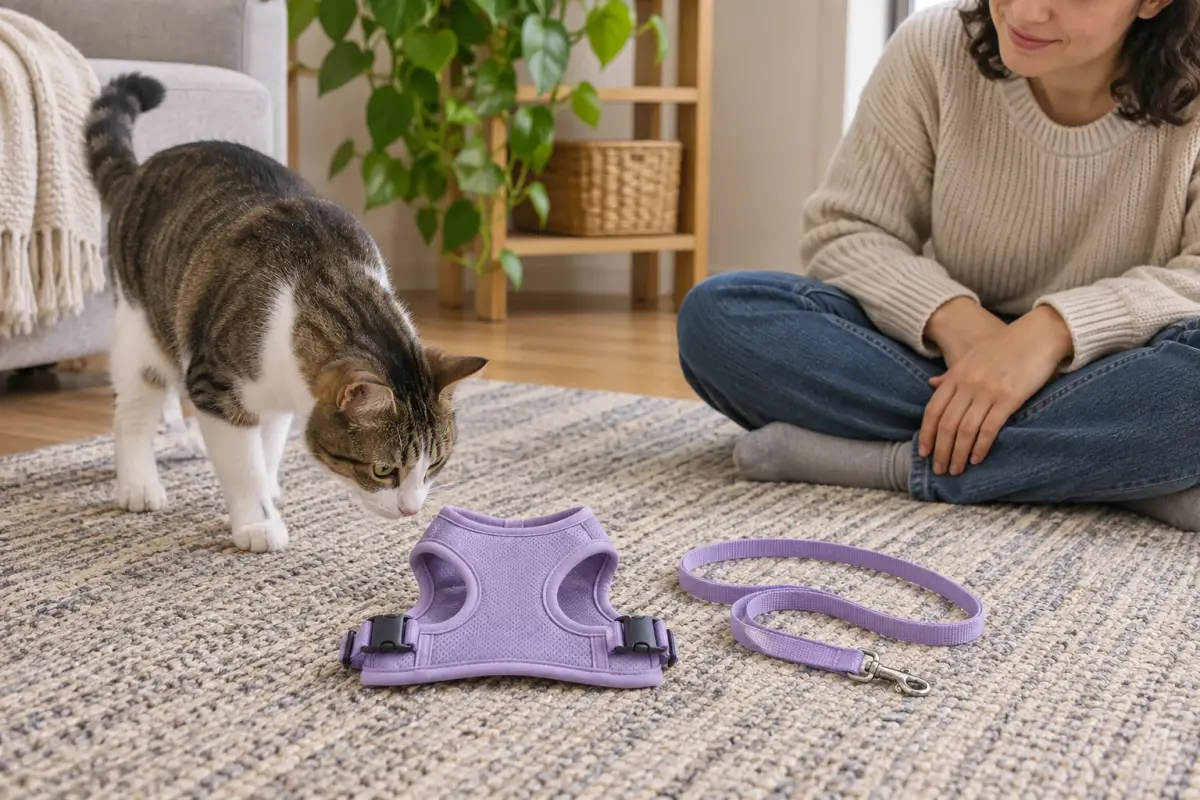
Measure the girth just behind the front legs with a soft tape, and the neck where a collar would sit. Choose the size that puts your cat's chest measurement in the middle of its adjustment range. Recheck kittens every couple of weeks.
Introduce it slowly. Leave the harness near your cat's food for a day, then drape it over its back with treats, then fasten it for a minute or two indoors. Many cats walk strangely at first. Once your cat moves normally indoors, attach the leash and let it drag while you supervise, then try a quiet outdoor spot. If your cat shows stress or tries to hide, stop and go back a step.
What to avoid, care and lifespan
Never attach a leash to a cat's collar, which risks choking and is the easiest thing in the world to slip. Avoid walking a cat near busy roads, off-leash dogs or before it is microchipped and vaccinated; ask your vet which vaccines and parasite prevention suit a cat that goes outside, even on a lead. Take the harness off indoors, as straps can snag.
Hand-wash the harness occasionally, check buckles and stitching before each outing, and replace it if hook-and-loop fastening has lost its grip. A good harness lasts years for an adult cat, but a kitten may need two or three before it is fully grown. When you are ready to compare, browse escape-proof cat harnesses or the wider cat harnesses group, and a cat carrier for the trip to the vet.
Cat harness body layouts
| Layout | Physical arrangement | Fit check |
|---|---|---|
| Vest or jacket | A broad chest and back panel | Panel gaps,closures and adjustment |
| H-style | Neck and chest loops joined along the back | Both loop ranges and connecting strap |
| Figure-eight or strap | A crossing or looped strap arrangement | Exact strap path and closure |
Common questions
What type of harness is best for cats?
A snug, escape-resistant vest harness suits most cats, especially beginners and nervous cats. Adjustable H-style harnesses are lighter and suit confident cats, while figure-eight designs are the easiest to slip out of.
How tight should a cat harness be?
Snug enough that you can fit only one finger under the straps. Check again after a few minutes, because many cats tense up when the harness first goes on and then relax.
Can kittens wear a harness?
Yes. Kittens often accept a harness more easily than adult cats. Choose a small adjustable harness, keep sessions short and positive, and resize it as your kitten grows.
What leash should I use with a cat harness?
A light leash about 4 to 6 feet long with a small clip. Avoid heavy dog leashes and retractable leashes, which give a startled cat too much room to bolt.
Sources we checked
This guide is general information, not veterinary advice. If your pet is unwell or injured, contact your veterinarian.