Care & how-to
New Puppy Checklist: What to Have Before Day One
Before you bring a puppy home, have a correctly sized crate, baby gates, food and water bowls, the puppy food they already eat, a harness or collar with an ID tag, a 6-foot leash, safe chew toys, an enzymatic cleaner and basic grooming tools ready. Puppy-proof one room, book a vet visit for the first few days, and agree on house rules as a family before day one.
By Matt GarnettUpdated November 9, 20264 min read3 sources
Sleeping and confinement
A crate sized for your puppy now, big enough to stand, turn around and lie down in but not so big that one end becomes a bathroom. A wire crate with a divider lets it grow with a large-breed puppy. Add a washable blanket or inexpensive bed; skip pricey beds until the chewing phase passes, and check blankets for holes or loose threads.
Baby gates or an exercise pen to limit your puppy to one or two puppy-proofed rooms at first. A second bed for the living room is handy so your puppy has a place to settle near you during the day. Our puppy essentials collection and best puppy essentials guide gather these basics.
Food, bowls and treats
A bag of the puppy food your puppy is already eating, so the first weeks bring no sudden change. Ask the breeder or shelter for the brand and amount. Choose a food labeled complete and balanced for growth or all life stages, and a large-breed puppy formula if your puppy will be big.
Washable, tip-resistant bowls for food and water, including a shallow stainless steel weaning bowl for the first weeks, a measuring cup or kitchen scale, a latching bin for food storage, and small, soft training treats with a treat pouch. Keep treats tiny so they do not add up to too many extra calories.
Collar, harness, leash and ID
A breakaway or flat collar that fits with about two fingers underneath, and an ID tag with your phone number. Puppies grow fast, so check the fit every week. A well-fitted puppy harness is a good choice for walks and leash training, since it puts no pressure on the neck.
A lightweight 6-foot leash for training; avoid retractable leashes while your puppy is learning. Ask your vet about microchipping at the first visit and register the chip in your name straight away. For car trips, a crate or a dog seat-belt harness keeps your puppy safe.
Toys, chews and enrichment
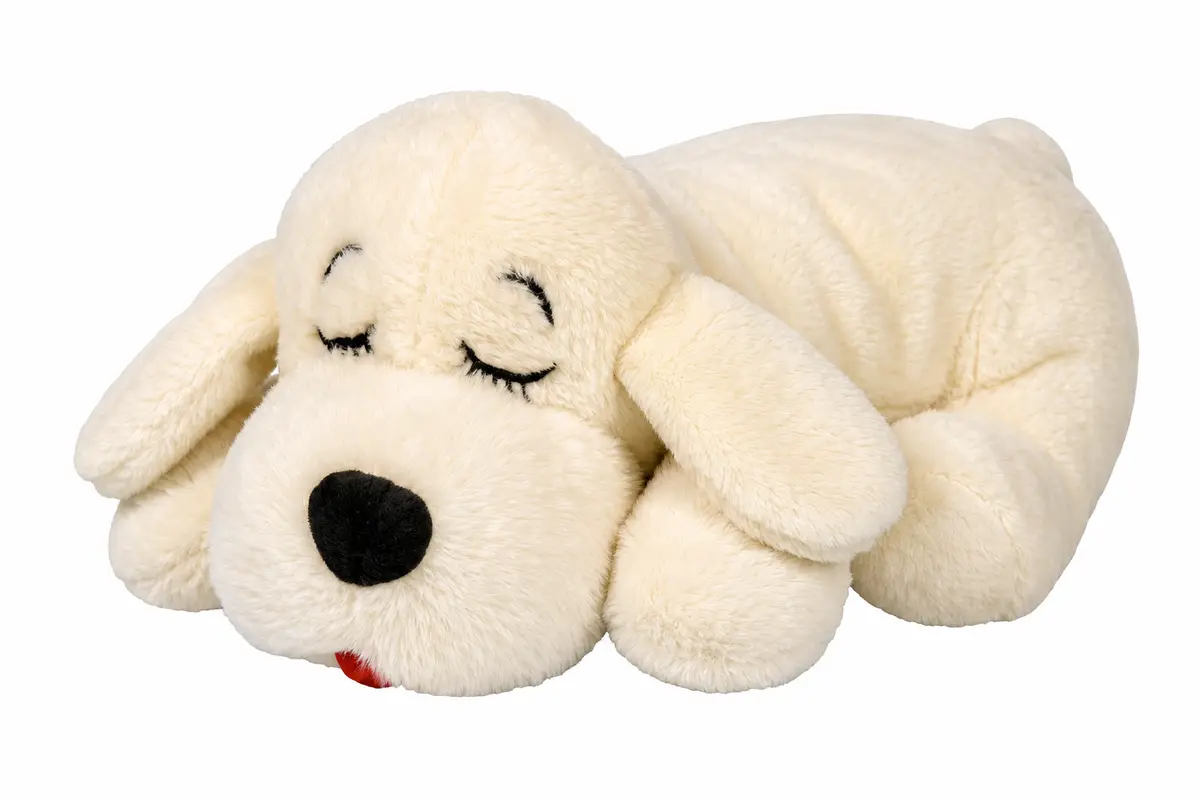
A few safe puppy teething toys sized for your puppy, a soft toy for comfort, a tug toy for play and a puzzle feeder or stuffable rubber toy for meals. Rotate toys so they stay interesting, and throw them away once pieces start coming off.
Skip very hard chews such as bones, antlers and hooves, which can break teeth, and supervise any chew until you know how your puppy handles it. If you are unsure whether a toy is safe for your puppy's size, ask your vet.
Cleaning and grooming supplies
An enzymatic cleaner for accidents, paper towels, and poop bags. Potty pads, such as a washable reusable puppy pee pad from our puppy pads, are optional and can be useful in apartments. A dog-safe shampoo, a brush or comb suited to your puppy's coat, nail clippers or a grinder, and a dog toothbrush with dog toothpaste.
Never use human toothpaste or shampoo on a puppy. Start handling paws, ears and mouth gently from the first week, with treats, so grooming and vet exams become easy for life.
Before day one: home and family prep
Puppy-proof the rooms your puppy will use: lift electrical cords, shoes, socks and small objects off the floor, put medicines, cleaning products and trash out of reach, and check houseplants and the yard for hazards. Save your vet's number, the nearest emergency vet and the ASPCA Animal Poison Control Center, (888) 426-4435, in your phone.
Agree on house rules as a household: where the puppy sleeps, whether furniture is allowed, who handles meals and potty breaks, and which words you will use for cues. Book a vet visit within the first few days, and bring any vaccine and deworming records from the breeder or shelter.
Your first week together
Keep the first days calm and predictable. Show your puppy the potty spot as soon as you arrive, introduce family members one at a time, and limit visitors. Feed at set times, take your puppy out after every nap, meal and play session, and expect some crying in the crate for the first few nights.
Start short, positive training sessions and gentle socialization right away, while keeping your puppy away from places used by unknown dogs until the vaccine series is complete. Call your vet straight away if your puppy has vomiting, diarrhea, stops eating or seems unusually tired.
This page is general information, not veterinary advice, and it cannot replace an examination by the vet who knows your pet.
Common questions
What do I need for a puppy's first night?
A crate with a soft blanket, ideally one that smells of the litter, placed near your bed, plus a chew toy, a leash for a quiet night potty trip, and an enzymatic cleaner for accidents.
Should I buy an adult-size crate for my puppy?
You can, if it comes with a divider to make the space smaller. A crate that is too big lets a puppy sleep at one end and potty at the other.
When should my puppy first see the vet?
Within the first few days of coming home, and sooner if your puppy seems unwell. The visit continues vaccines and deworming and is a chance to ask questions.
How much does it cost to get ready for a puppy?
Supplies such as a crate, bed, bowls, leash, collar and toys commonly run a few hundred dollars, before food and vet care. Costs vary with your puppy's size and where you shop.
Sources we checked
This guide is general information, not veterinary advice. If your pet is unwell or injured, contact your veterinarian.