







Dogs
Puppy essentials
Big welcomes for small paws.
6 items picked for everyday life with your pet, with shipping estimates on every item.
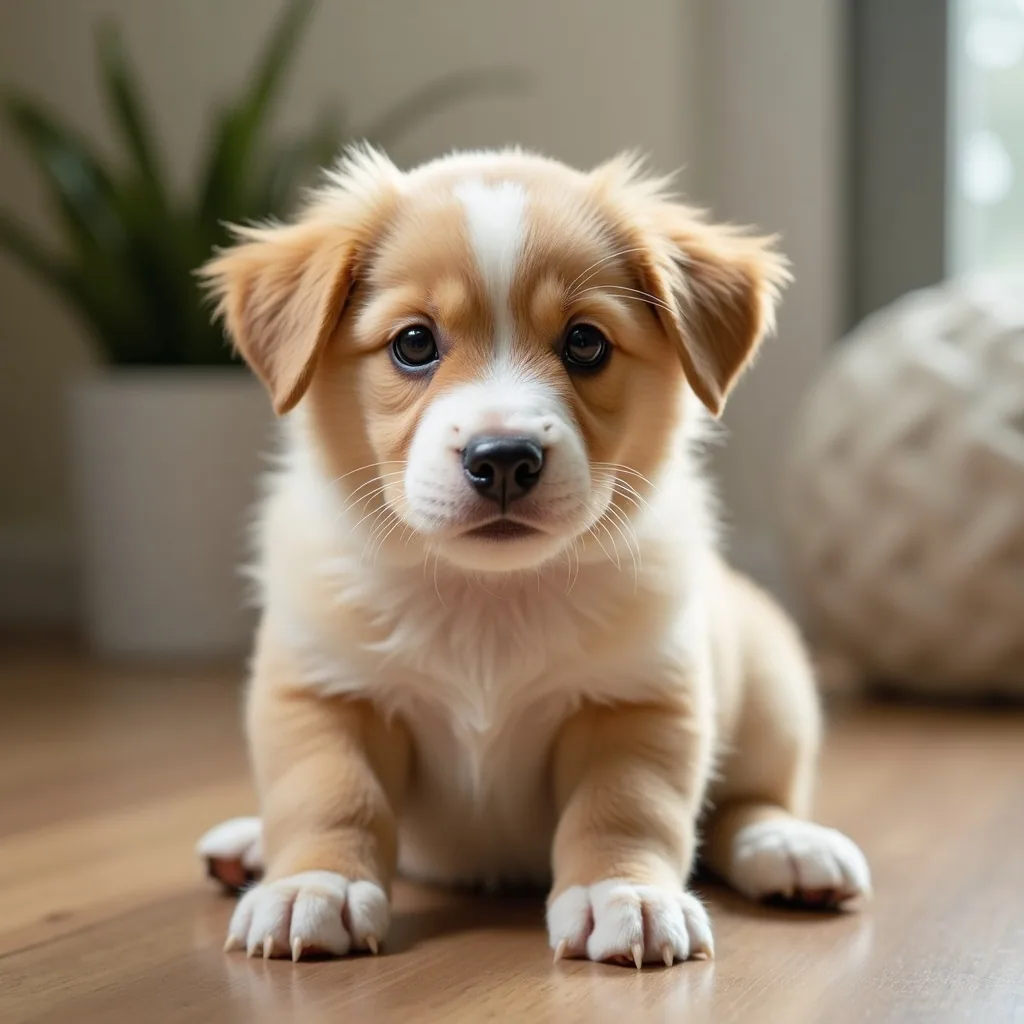 Everything for their first few weeks.
↗Tracked US shippingEstimates on every item↶Returns & refundsHow it works♡Here to helpTalk to Giddy Pets
All puppy essentials
Little essentials. Lots of love.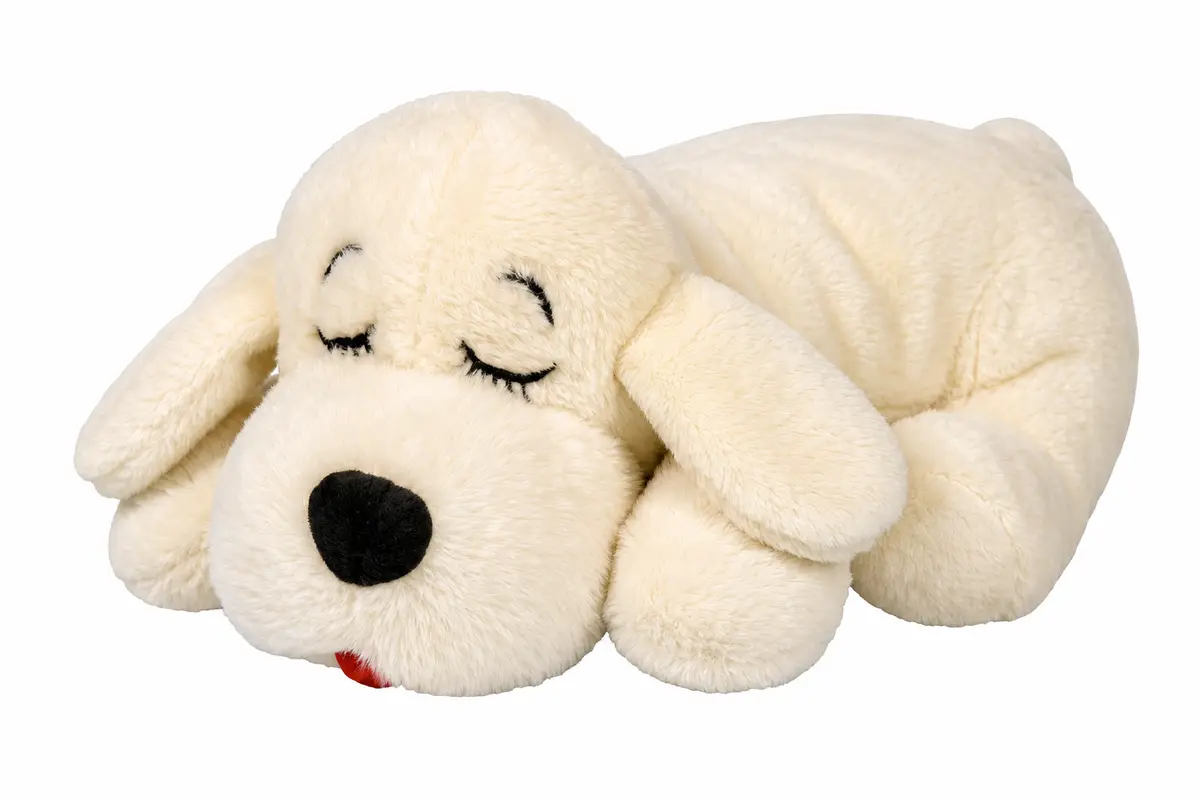


Puppy essentials
Stainless Steel Puppy and Kitten Litter Weaning Bowl
- Options
- 4 to choose from
From $18.99

A little guidance
Help choosing puppy essentials
Buying guides and care advice written for this range: what to measure, what matters and what to skip.
From our guides
This page gathers a starter selection for new puppies: washable reusable pee pads, a toilet training spray, a bitter anti-chew deterrent spray, a nine-piece teething and toy set for small dogs, a heartbeat comfort toy for the first nights, and a stainless steel weaning bowl for very young puppies. It is for anyone bringing a puppy home, and the guide below walks through what a puppy needs in the first weeks, with links to our fuller ranges for beds, crates and pens.
The first-night checklist
Before your puppy arrives, set up a safe space with a bed or crate, water and food bowls, a pee pad area, a few toys and something soft to snuggle. A puppy playpen gives a secure zone where your puppy can rest and play while you are busy, and protects your home from early accidents and chewing.
Beyond this page, you will also need puppy food, a collar with an ID tag, a lightweight lead or harness, grooming basics and an appointment with a vet for vaccinations and a health check. Our puppy playpens, dog crate beds and puppy pads pages cover those larger items.
Settling in: comfort toys
The first nights away from the litter are hard for many puppies. A heartbeat comfort toy has a gentle pulse inside a soft plush body, designed to mimic the feel of a littermate. Placed in the bed or crate, it can help some puppies settle, alongside a blanket that smells of their first home.
Keep bedtime calm and consistent. Take your puppy out to toilet just before bed and during the night as needed, since young puppies cannot hold their bladder for long. A predictable routine is the real comfort, and toys are a helpful addition.
House training supplies
Washable pee pads give a reusable indoor toilet spot, useful in apartments and before vaccinations are complete. A potty training spray applied to the pad can help draw a puppy to the right place. The AKC recommends taking puppies out frequently, using a cue word and rewarding immediately.
Clean accidents with an enzyme cleaner so the smell does not draw your puppy back. Consistency matters more than any product, so take your puppy to the same spot after waking, eating, drinking and playing.
Teething and chewing
Puppies chew constantly, especially while their adult teeth come through. A teething toy set gives them a variety of textures to chew, which helps steer their attention away from shoes and furniture. Rotate toys so they stay interesting, and choose sizes that cannot be swallowed.
Bitter anti-chew sprays make furniture legs, cables and other targets taste unpleasant, which discourages repeat chewing. Use them alongside redirection to a chew toy, not instead of it. Puppy-proof by moving cables, shoes and plants out of reach.
Feeding young puppies
Very young puppies just starting on solid food often eat together from a wide, shallow weaning bowl, such as the stainless steel design on this page, which lets several puppies reach the food at once. Stainless steel is durable and easy to clean.
Most puppies go to new homes already eating solid food from their own bowl. Feed a puppy food suited to your puppy's expected adult size, split into several small meals a day, and ask your vet about the right amount and schedule as your puppy grows.
What do I need for a new puppy?
A bed or crate, food and water bowls, puppy food, pee pads or an outdoor toilet plan, chew toys, a collar with ID, a lead or harness, grooming basics and a vet appointment.
Do heartbeat toys help puppies?
They can help some puppies settle during the first nights by mimicking a littermate's warmth and heartbeat. Pair the toy with a calm routine and nighttime toilet breaks.
How do I stop my puppy chewing furniture?
Give plenty of chew toys, redirect your puppy whenever they chew the wrong thing, and use a bitter deterrent spray on furniture. Puppy-proof by moving cables and shoes out of reach.
When should my new puppy see a vet?
Book a vet visit in the first week or so after bringing your puppy home, for a health check and to plan vaccinations, parasite control and microchipping.
Should I use pee pads or train outside?
Both work. Pads suit apartments and puppies who are not yet fully vaccinated, while outdoor training avoids a later transition. Choose one plan and be consistent.