Training & behavior
Puppy Socialization: Why, When and How
Socialization means giving your puppy calm, positive experiences with the people, animals, places, sounds and handling they will meet as an adult. The window that matters most runs from about 3 to 16 weeks, so start the week your puppy comes home, even before vaccines are finished, by choosing safe places and letting your puppy set the pace. Done well, it is the best protection against fear and reactivity later.
By Matt GarnettUpdated November 9, 20264 min read3 sources
How to make each experience positive
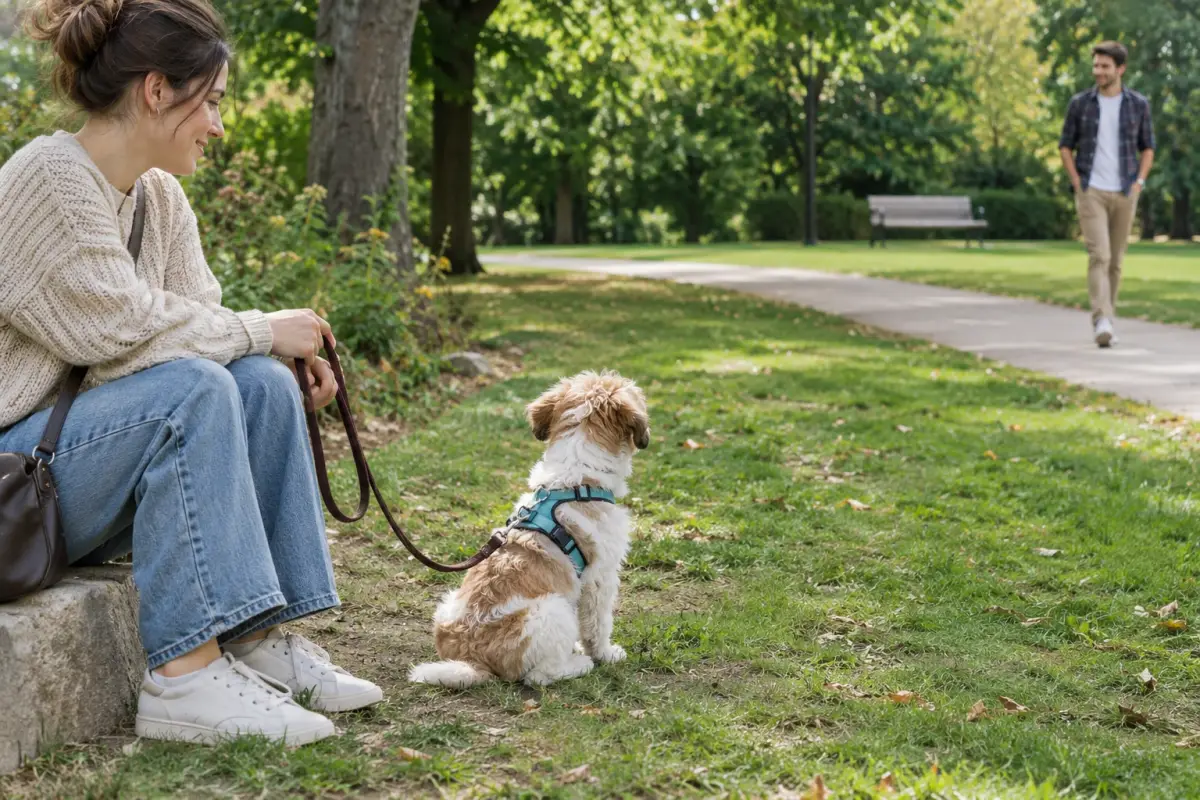
Keep exposures short and at a distance your puppy is comfortable with. Bring tiny, tasty training treats and reward your puppy for looking at, sniffing or approaching something new. Let your puppy choose to approach; strangers should let the puppy come to them rather than reaching down to grab.
Two or three new experiences a day, plus a couple of outings to new places a week, add up quickly. Quality beats quantity: one calm meeting with a child sitting on the floor is worth more than a frightening trip to a crowded fair. End each outing before your puppy gets tired or overwhelmed.
Signs your puppy is scared
Watch for trembling, a tucked tail, ears pinned back, lip licking, yawning, freezing, refusing treats, pulling away, hiding behind you or taking a treat and immediately backing off. These mean the experience is too much right now.
When you see them, calmly increase the distance or leave, and try again another day from further away or at a lower intensity. Never force a scared puppy toward something or make them "face their fear," which tends to make fear worse. Comforting a frightened puppy will not reinforce fear, so it is fine to soothe them.
Beyond 16 weeks, and when to get help
Socialization does not end at four months. Keep up calm, varied experiences through adolescence, roughly 6 to 18 months, when some dogs go through a second fearful phase. A dog who met lots of people as a puppy can still become wary if those experiences stop. Keep a pouch of treats and the rest of your puppy essentials by the door so the next outing is easy to start.
Talk to your vet if your puppy seems intensely fearful, panics, growls or snaps at people, or does not recover from a scare within a few minutes. Your vet can check for pain or illness and refer you to a veterinary behaviorist or qualified trainer who uses reward-based methods.
This page is general information, not veterinary advice, and it cannot replace an examination by the vet who knows your pet.
Common questions
Is it too late to socialize a 6 month old puppy?
No. The most sensitive window has closed, but dogs keep learning throughout life. Go slower, keep sessions short and positive, and consider working with a reward-based trainer for extra help.
Can my puppy meet other dogs before vaccinations?
Yes, if the other dogs are healthy, fully vaccinated and known to you, ideally in a home or yard. Avoid unknown dogs and public dog areas until your vet says your puppy is protected.
How many people should my puppy meet?
A common goal is many different kinds of people in the first few months, but there is no magic number. Variety and positive experiences matter far more than reaching a count.
Are puppy classes good for socialization?
Yes, a good class offers supervised play with other puppies, handling practice and basic training. Look for small classes, reward-based trainers and a requirement for vaccine records.
Sources we checked
This guide is general information, not veterinary advice. If your pet is unwell or injured, contact your veterinarian.