






Care & how-to
How Many Eggs Does a Chicken Lay a Day?
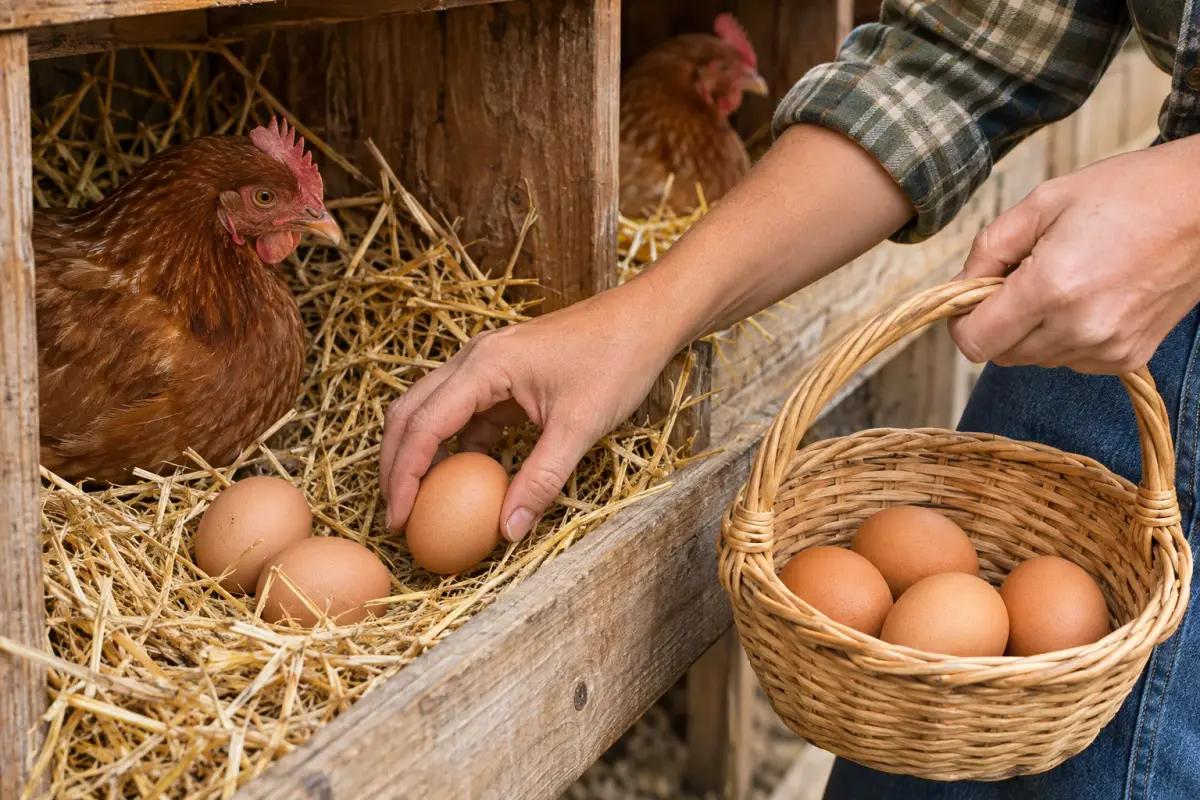
A healthy laying hen produces roughly six eggs a week, so on average a little under one egg a day. University of Minnesota Extension says hens begin laying around six months of age and peak in their first two years. Daylight, molting, age and nutrition all change the count.
By Matt GarnettUpdated November 13, 20264 min read3 sources
The short answer: about six a week
University of Minnesota Extension says hens will lay roughly six eggs each week. That works out to a little under one egg a day for a hen at her peak, and the figure is an average across a flock rather than a promise for each bird. Some days a hen skips, and some hens skip more than others.
Over a full year the count depends heavily on the bird. University of Maine Cooperative Extension, for example, estimates 250 to 320 eggs a year for a Golden Comet, a hybrid layer. See our Golden Comet chicken guide for how that varies by bird.
When hens start laying
Minnesota Extension says hens begin laying at around six months of age. Until then a young pullet is still growing and needs the feed and shelter suited to her age, so a flock started from chicks will not give you breakfast on day one.
Early-maturing hybrids may start sooner than some heritage breeds. Utah State University Extension lists the Golden Comet with early maturity, for example, though it does not give an exact week. If you are planning a new flock, build in a few months before the first eggs and prepare the coop in advance.
How daylight changes the count
Light is the main driver of the laying cycle. Minnesota Extension says hens need at least 12 to 14 hours of light each day, and that a regular light bulb can provide it. University of Arizona Extension recommends a consistent 14 to 16 hours of daylight to support optimal laying, and notes that winter days in Arizona can be as short as 9 to 10 hours.
That is why egg numbers drop in late fall and winter in most backyard flocks. Arizona Extension adds that supplemental light does not shorten a hen's laying lifespan as long as she gets balanced nutrition, including calcium, so lighting is a choice you can make rather than a harm to avoid.
Molting and age
Both Minnesota and Arizona Extension describe an annual molt: hens stop laying while they replace their feathers, usually at the onset of fall, from August through October in Arizona's description. Pullets hatched in spring or summer generally do not molt in their first autumn.
Age matters too. Minnesota says peak production comes in the first two years and that hens can continue for five to 10 years, and Arizona says laying often becomes sporadic by age three or four. Expect the count to fall each year, so an older backyard flock will give fewer eggs than the same flock did in its first season.
Nutrition, space and stress
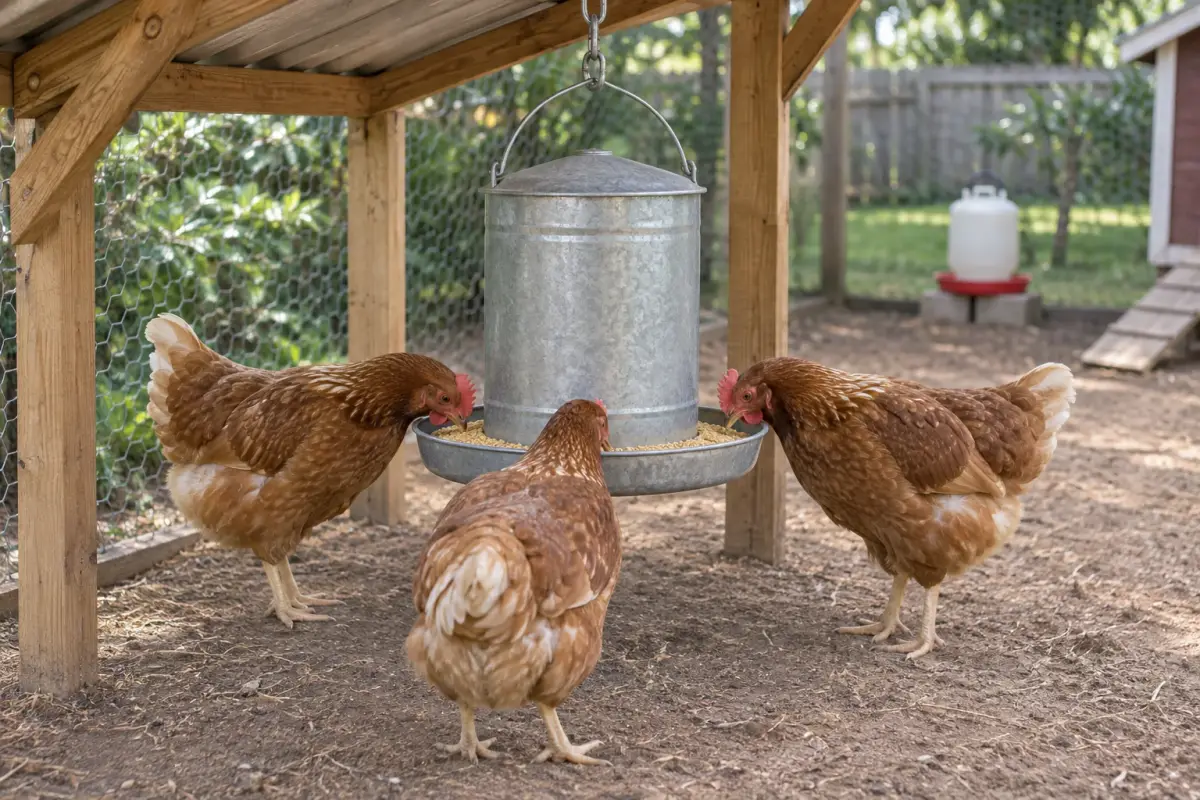
A hen cannot lay well without a balanced diet and clean, constant water, and Arizona Extension specifically mentions calcium. Water matters more than many new keepers expect; our guide to chicken waterers shows how much a flock drinks and how to keep it unfrozen.
Crowding, predators and a disrupted routine can all interrupt laying. A secure chicken run with roomy perches gives hens space to move, and a coop with enough nesting boxes keeps eggs clean and easy to collect. An all-in-one design like the extra large chicken coop with attached run is one example of a combined setup; check its dimensions against your flock size.
When to see a vet
A hen that suddenly stops laying, strains without producing an egg, has a swollen belly, breathes with effort or sits fluffed up and lethargic should be seen promptly. Not every pause is a problem, since molt, age and short days are common causes, but poultry hide illness well.
Contact a veterinarian who treats poultry or your state extension office if a hen seems unwell. This page is general information, not veterinary advice, and it cannot replace advice from a veterinarian who treats poultry.
Common questions
Does a chicken lay an egg every day?
Not usually. University of Minnesota Extension says hens lay roughly six eggs a week, so a healthy hen at her peak skips about one day in seven, and some skip more often than that.
How many eggs does a chicken lay in a year?
It depends on the bird. Extension estimates for a productive hybrid like the Golden Comet run from about 250 to 320 a year, while other breeds vary, and every hen's output falls as she ages.
Why did my hens stop laying?
Common causes are the fall molt, short daylight, age, stress and poor nutrition. Arizona Extension lists daylight and molting among them, so check those first and call a poultry vet if a hen also looks ill.
How long do chickens lay eggs?
University of Minnesota Extension says hens can continue for five to 10 years with peak production in the first two, and Arizona Extension says laying often becomes sporadic by age three or four.
Do chickens need light to lay eggs?
Yes. Minnesota Extension says hens need at least 12 to 14 hours of light a day, and Arizona Extension suggests 14 to 16 hours supports optimal laying, which is why winter output drops.
Sources we checked
This guide is general information, not veterinary advice. If your pet is unwell or injured, contact your veterinarian.


