Training & behavior
How to House Train an Adult Dog
You can house train an adult dog, and it is often quicker than with a puppy because adults can hold it longer. The plan has four parts: a fixed routine, supervision whenever the dog is indoors, a reward the moment she goes outside, and calm cleanup of accidents. Most of the work is repetition. This page walks through each part, plus the signs that a medical problem is behind the accidents.
By Matt GarnettUpdated November 13, 20265 min read3 sources
Why an adult dog can still learn
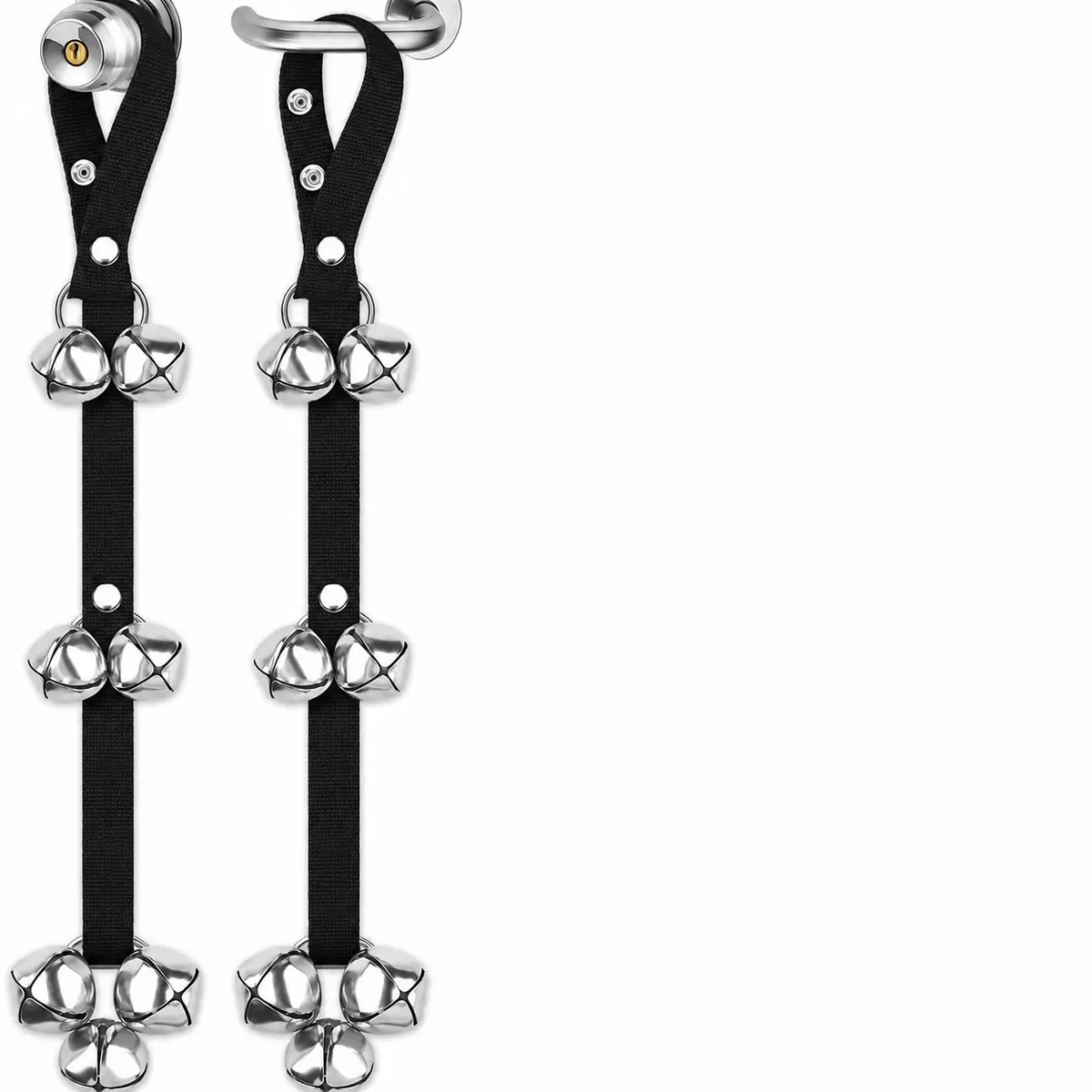
An adult dog that has accidents indoors has usually never been taught where to go, or learned a different habit somewhere else. A dog raised on concrete or in a kennel may not think of grass as a toilet at all. The AKC notes that an adult's ability to hold it for several hours can make the process easier than it is with a puppy, so the job is mostly about building a routine she can follow, and simple tools like potty bells can help.
Do not force her to hold it longer than she can. Long gaps between trips outside set her up to fail, and each indoor accident makes the habit harder to break. If you are starting with a newly adopted dog, treat the first weeks as a fresh start and plan your days around her outings. If you are also thinking about confinement, our guide to crate training an adult dog covers how to introduce a crate gently.
Step 1: Set a fixed daily routine
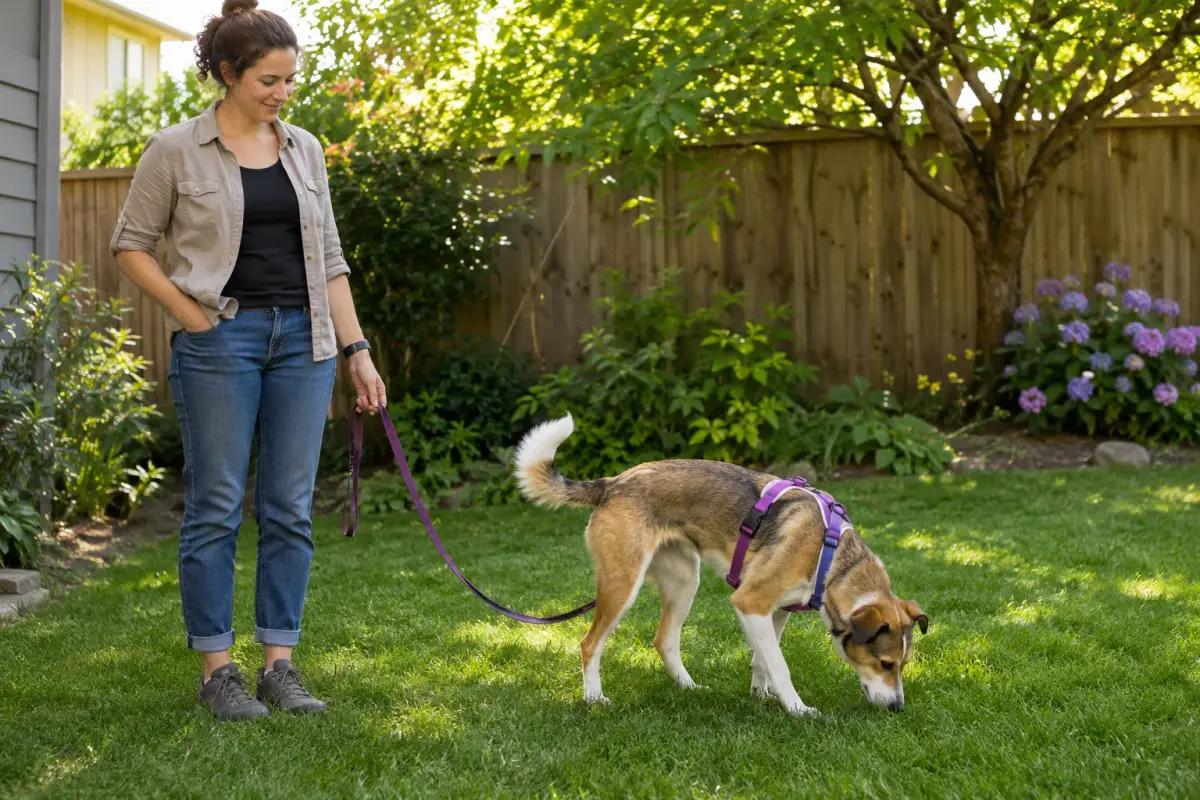
The AKC advises taking an adult dog out first thing in the morning, after breakfast, after dinner, several times during the day and again before bed. Put her on a leash and go with her rather than opening the door and letting her out alone, so you can see whether she actually goes and reward it on the spot. Give her time to sniff, because an accident right after coming in often means she was not outside long enough.
Meals at regular times make her bathroom schedule easier to predict. The AKC recommends picking up the food dish 10 to 15 minutes after you put it down, empty or not, instead of leaving food available all day.
Step 2: Supervise indoors and confine when you cannot watch
Every accident she has unobserved is practice for the wrong habit. The ASPCA suggests keeping her in the one or two rooms where you can see her at all times and widening her space slowly as training takes hold. Watch for sniffing, circling, pacing, whining or wandering out of the room. Those signs mean she needs to go out right away.
When you cannot watch, use a crate, a pen, or a small room behind a baby gate, or keep her on a leash tied to you. If she does not go outside, the AKC suggests bringing her in and putting her in the crate for 10 minutes before trying again, so she is never loose indoors with a full bladder. Over several weeks you can extend her freedom, starting about 10 to 15 minutes after she has gone outside. A crate or pen can be a useful tool here, as long as the dog is not left in it longer than she can comfortably hold it.
Step 3: Reward the moment she goes outside
Praise and a small treat work only when they come right away. VCA advises staying with the dog, rewarding while she is still outside and right after she finishes, and saving play for afterward so she does not learn that finishing quickly ends the walk. If nothing happens after about 5 minutes, bring her back in and supervise closely before trying again.
Some dogs learn to signal on their own, and some need help. A set of potty training bells hung at the door gives a dog an easy way to tell you she needs out: touch the bells every time before you open the door, and reward her when she rings. Not every dog barks or scratches at the door, so a trained signal is helpful, particularly in a household where you cannot watch her all day.
Handling accidents without setting training back
Never punish an accident. The ASPCA points out that a dog cannot connect scolding with something she did minutes ago, and that rubbing her nose in it only makes her sneakier about hiding it from you. The AKC adds that punishment can make a dog afraid to go in front of you, so she waits until you are out of sight. If you catch her in the act, interrupt calmly without yelling, take her outside and let her finish, then reward her there.
Clean every indoor accident with an enzymatic cleaner, because lingering odor tells her where to go next time. For apartment living or a dog that truly cannot get out on schedule, some households keep washable pee pads as a backup, though pads can blur the message about outdoor toileting, so treat them as a short-term tool. The same principles, at a younger age, are in our guide to potty training a puppy.
When accidents point to a medical problem
If a dog that was reliably house trained starts having accidents, VCA advises talking to a veterinarian, because a medical or behavioral condition may be responsible. Increased thirst, straining, frequent small urinations, loose stools or leaking while resting are all worth mentioning to your vet. Some dogs also urinate when excited or worried, and VCA notes that this is not a lapse in house training.
An older dog, or one with a health issue, may simply need more trips out. Book a vet visit before you assume it is a training failure, especially if the change was sudden. Once medical causes are ruled out, a trainer or behavior professional can help with fear, marking or separation-related accidents. Many adult dogs settle into a clean routine within a few weeks of consistent practice, and potty training bells at the door make the routine easier to keep.
Vet check and next steps
Call your vet if accidents start suddenly in a dog that was reliably trained, if she strains, cries or produces blood, or if she is drinking much more than usual. Those signs are worth getting seen the same day. Training cannot fix a medical cause.
This page is general information, not veterinary advice, and it cannot replace an examination by the vet who knows your pet.
Common questions
How long does it take to house train an adult dog?
There is no fixed timeline. The AKC says freedom is extended gradually over a few weeks, and VCA suggests waiting 8 to 12 weeks without mistakes before full run of the house. Many adults improve within weeks.
Should I use pee pads for an adult dog?
Pads can help as a temporary backup if you cannot get outside on schedule, but they can confuse the goal of toileting outdoors. Use a fixed outdoor routine as the main plan.
Why does my adult dog still have accidents after being trained?
Sudden accidents in a dog that was reliably trained can have a medical or behavioral cause, so VCA advises talking to your veterinarian before assuming it is a training problem.
Is it okay to punish an adult dog for peeing inside?
No. The ASPCA and AKC both warn that punishment teaches a dog to hide from you rather than to go outside, and a dog cannot link scolding to an accident from minutes ago.
Sources we checked
This guide is general information, not veterinary advice. If your pet is unwell or injured, contact your veterinarian.