






Care & how-to
Why Do Puppies Eat Grass?
Puppies eat grass mostly because they are curious, bored, teething or simply like the taste, and an occasional nibble is usually harmless. The real concerns are what the grass carries, such as lawn chemicals and parasites from other animals' droppings, and the risk of a blockage if a puppy swallows a lot. Frequent grazing or vomiting is a reason to call your vet.
By Matt GarnettUpdated November 13, 20264 min read3 sources
The most common reasons puppies graze
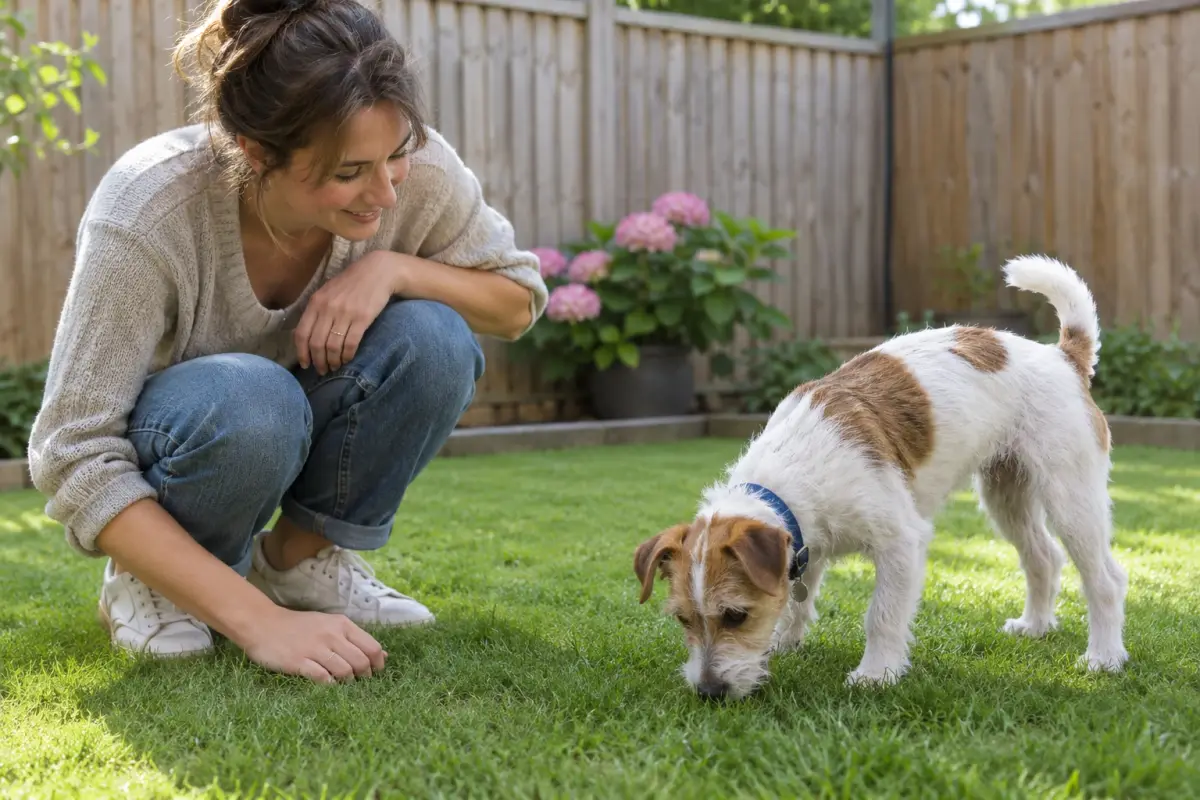
Puppies learn about the world with their mouths, so a lawn is full of things to taste and chew. Many also simply enjoy the texture and flavor of fresh grass, and the AKC notes that for a dog on a complete, balanced diet, grass eating may just be instinct rather than a sign of a nutritional gap.
Boredom and attention matter too. A puppy left alone in a yard with nothing to do will often chew grass, leaves and sticks, much as it would chew a shoe indoors. Some puppies also graze when they are hungry, thirsty or unsettled, which is why a puppy who grazes mostly when you are busy may be asking for company or a better chew. (Owners who want a grass-style spot for toileting, rather than snacking, can look at grass pee pads further down.)
Is it a sign your puppy is sick?
It is a popular belief that dogs eat grass to make themselves throw up. Research suggests otherwise: a small UC Davis study found that only around 22% of dogs frequently vomited after eating grass, and most showed no sign of illness beforehand. For most puppies, grass is a habit, not a symptom.
That said, an upset stomach can sometimes lead a dog to eat grass to bring up bile, especially on an empty stomach. If your puppy gulps grass urgently, licks its lips, swallows hard or vomits repeatedly afterward, treat that as a sign something is wrong and call your vet rather than waiting it out.
The real risks: lawn chemicals, parasites and blockage
The grass itself is rarely the problem. Herbicides, pesticides and fertilizers sprayed on lawns and parks can be toxic to dogs, so avoid any area that has been treated recently and do not let your puppy graze where you cannot find out. If you think your puppy ate treated grass or a poisonous plant, call ASPCA Animal Poison Control at (888) 426-4435 or Pet Poison Helpline at (855) 764-7661; a fee may apply.
Grass can also carry intestinal parasites such as roundworms and hookworms from other animals' droppings, which is why consistent parasite prevention matters even when grazing seems harmless. Ask your vet about your puppy's deworming and prevention schedule. And in large amounts, grass and leaves can cause a blockage, especially in puppies, which is why a puppy that swallows mouthfuls deserves attention.
How to curb grass eating
Go outside with your puppy instead of leaving it alone in the yard, and give it something better to do: a chew toy, a sniffing game or a short training session. Teach a reliable 'leave it' cue and reward the puppy for turning away from grass, carrying small treats on walks so you can pay quickly. A treat pouch such as our dog treat pouches collection keeps rewards handy.
Redirect rather than punish. Interrupting with a cheerful cue and a more interesting toy works better than scolding, which can make a puppy sneak. Keep fresh water outside, feed regular meals, and keep grazing to areas you know are untreated. Do not change food or add supplements without asking your vet first.
A grass patch for potty time is not a grazing patch
Some owners give puppies a patch of artificial turf indoors or on a balcony for toileting. That is a potty surface, and it should not be treated as a way to stop grass eating. Puppies may chew the mat, so supervise early use, and choose a design that drains or is easy to wash.
If that setup suits your home, browse our grass pee pads, such as an artificial grass dog potty training mat or a two-pack grass pee pad. For the wider picture on adult dogs, see why dogs eat grass.
When to call your vet
Call your vet if your puppy eats grass frequently or in large amounts, vomits often, has diarrhea, loses its appetite, seems tired, has blood in its stool or shows a swollen belly. Seek urgent care if you think it ate lawn chemicals or a poisonous plant and is drooling, vomiting, trembling or weak.
Also mention grazing at your next puppy visit, so your vet can check parasite prevention and rule out underlying digestive problems. If the habit continues, a trainer can help you build the leave-it cue. If you also want a grass-style toileting spot for a balcony or apartment, grass pee pads are covered above.
This page is general information, not veterinary advice, and it cannot replace an examination by the vet who knows your pet.
Common questions
Is it normal for a puppy to eat grass?
Occasional grass eating is common and usually harmless. Keep your puppy off treated lawns, stay current on parasite prevention, and call your vet if grazing becomes frequent, frantic or comes with vomiting.
Why does my puppy eat grass and then vomit?
Long blades can tickle the throat and stomach, and an upset stomach may also drive a puppy to graze. One episode in a bright, eating puppy is rarely a concern, but repeated vomiting needs a vet.
Can eating grass give a puppy worms?
Grass can carry roundworm and hookworm eggs from other animals' droppings, so grazing can expose a puppy to parasites. Ask your vet about deworming and prevention.
How do I stop my puppy eating grass?
Supervise outdoor time, teach a leave-it cue, reward your puppy for turning away, and give it exercise and chews. Avoid scolding, and check with your vet if the habit is intense.
Sources we checked
This guide is general information, not veterinary advice. If your pet is unwell or injured, contact your veterinarian.


