







Small pets
Hamster toys
Small pets, big personalities.
3 items picked for everyday life with your pet, with shipping estimates on every item.
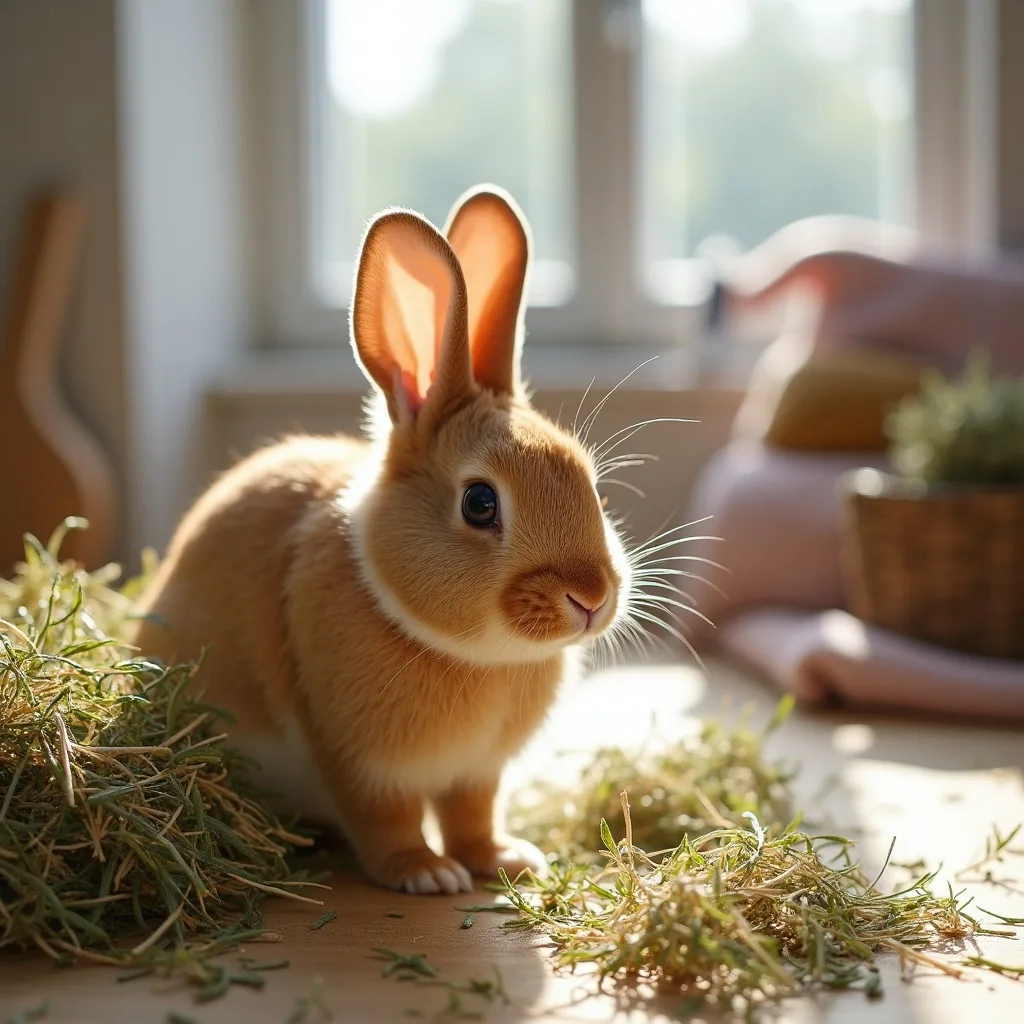 Happy homes for little ones.
↗Tracked US shippingEstimates on every item↶Returns & refundsHow it works♡Here to helpTalk to Giddy Pets
All hamster toys
Little essentials. Lots of love.

A little guidance
Help choosing hamster toys
Buying guides and care advice written for this range: what to measure, what matters and what to skip.
From our guides
This page holds toys and accessories for hamsters: a hamster exercise ball, a hanging suspension bridge for the cage, a large wooden exercise play house, and a ceramic food bowl that is too heavy to tip. It is for hamster owners setting up a new cage, and anyone looking to add more enrichment for a hamster that seems bored or chews the bars.
Why hamsters need toys
Hamsters are busy, curious animals that naturally travel, dig, climb and gnaw. VCA notes that they run on exercise wheels relentlessly at night, and in a bare cage that energy often turns into bar chewing, repetitive climbing or over-grooming.
Toys give that energy somewhere to go. A good setup includes a solid wheel, places to climb and hide, things to chew, and deep bedding to burrow in.
Bridges and climbing
A hanging suspension bridge gives a hamster a moving path between levels and across the cage. It adds climbing and balance work, and doubles as a hiding place underneath. Wooden bridges are safe to chew, which is a bonus.
Keep climbing structures low. Hamsters have poor eyesight and can fall from height, so avoid drops of more than a few inches above solid ground, and put deep bedding underneath.
Play houses and hideouts
A wooden play house gives a hamster a place to hide, sleep and explore, with tunnels and lookouts. Hamsters are prey animals and feel safer with several hiding spots, at least one big enough to nest in.
Untreated wood is safe to chew and helps keep teeth worn down, since hamster teeth grow continuously. Avoid painted or varnished toys.
Exercise balls: use with care
An exercise ball lets a hamster roam outside the cage while staying contained. Use it for short, supervised sessions only, around 10 to 15 minutes, in a room with no stairs, other pets or hot spots. Hamsters cannot drink in a ball, and some find it stressful.
Choose a ball large enough for your hamster to run without arching its back, with good ventilation. Never use one in direct sun or warm rooms. If your hamster pants, freezes or tries to get out, end the session.
Bowls, wheels and bedding
A heavy ceramic bowl cannot be tipped or chewed, which keeps food clean and in place. Pair it with a water bottle or bowl that is cleaned daily.
VCA recommends a solid running surface for wheels, because wire or open-track wheels can trap feet. Paper-based bedding is best, and VCA warns that cedar shavings can irritate the airways. Give hamsters bedding deep enough to burrow. If your hamster stops eating, loses weight or has wet fur around the tail, see an exotic pet vet promptly.
Rotating toys and keeping things new
Hamsters explore their cage every night, and a layout that never changes soon becomes dull. Every week or two, move a hideout, swap a bridge for a tunnel or add a new cardboard tube, while leaving the nest area alone so your hamster still feels secure.
Scatter part of the daily food in the bedding rather than all in the bowl, so your hamster forages for it. Cardboard boxes, paper towel tubes and egg cartons with no ink or glue make free, safe toys that can be shredded and replaced.
What toys do hamsters like?
Hamsters enjoy solid wheels, tunnels, hideouts, bridges to climb, chew toys and deep bedding to dig in. Rotate toys to keep things interesting.
Are hamster exercise balls safe?
They can be used for short, supervised sessions in a safe room. Hamsters cannot drink in a ball, and some find it stressful.
What can hamsters chew on safely?
Untreated wooden toys, chews made for hamsters and cardboard tubes are safe. Avoid painted, varnished or plastic toys that splinter.
How do I keep my hamster from getting bored?
Give a solid wheel, several hideouts, deep bedding, chew toys and climbing routes, and change the layout now and then.
Can hamsters fall off bridges and ledges?
Yes, hamsters have poor eyesight. Keep climbing structures low and put deep bedding underneath.