







Small pets
Ferret beds
Cozy spots for long naps.
4 items picked for everyday life with your pet, with shipping estimates on every item.
 Their favorite place in the house.
↗Tracked US shippingEstimates on every item↶Returns & refundsHow it works♡Here to helpTalk to Giddy Pets
All ferret beds
Little essentials. Lots of love.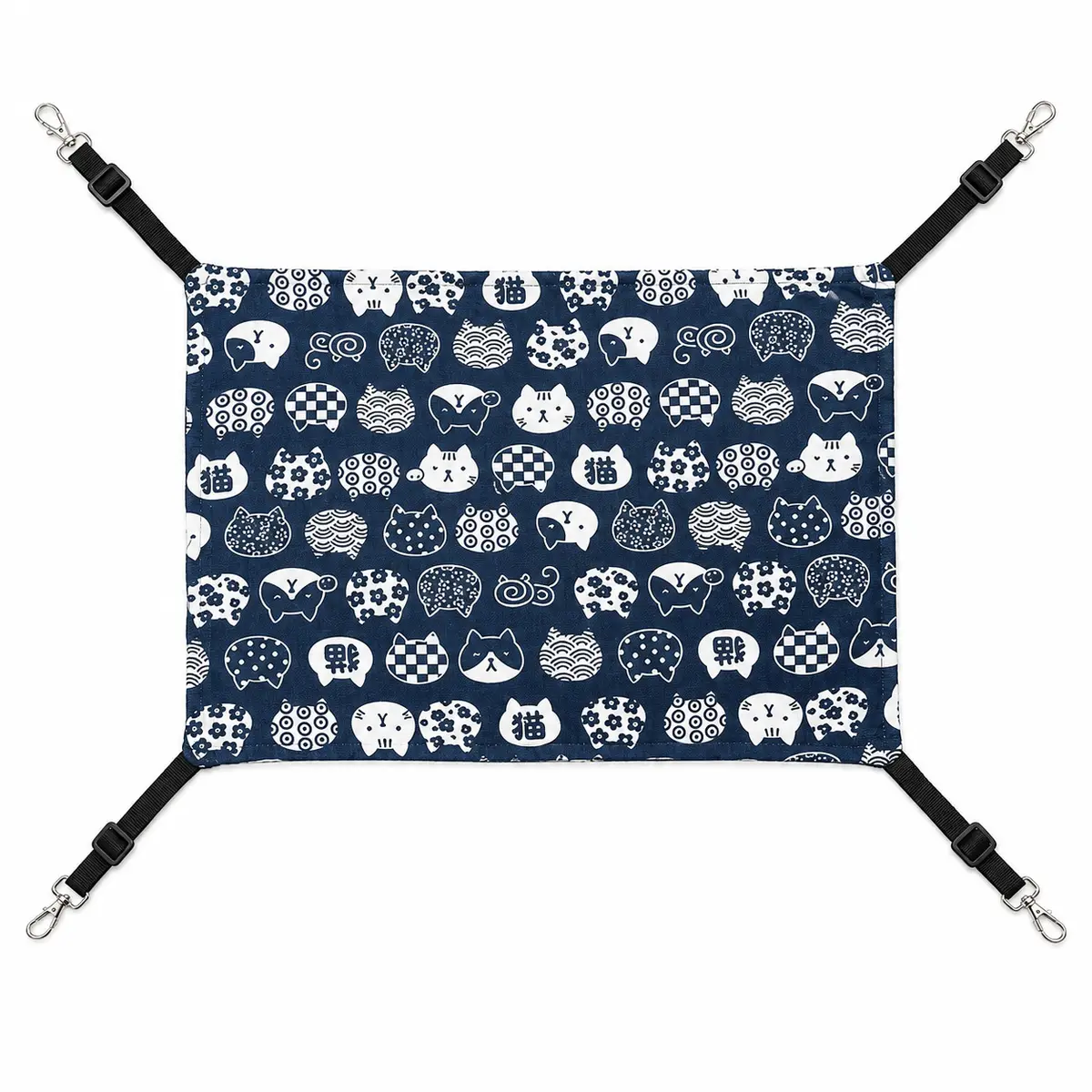


A little guidance
Help choosing ferret beds
Buying guides and care advice written for this range: what to measure, what matters and what to skip.
From our guides
- Best Ferret Beds and Hammocks: What to Look For →
- Best Bedding for Guinea Pigs: What Is Safe and Easy to Clean →
- Best Bolster Dog Beds: What Actually Matters →
- Best Calming Dog Bed: What Helps an Anxious Dog Settle →
- Best Cat Beds: How to Choose One Your Cat Will Actually Sleep In →
- Best Cat Cave Beds: How to Choose One Your Cat Will Use →
These are the hanging beds from our small pet range: reversible hanging hammock two-packs, a hanging cage hammock for small pets, and a two-tier hanging hammock. They clip to the bars of a multi-level cage. They are for ferret owners who want a cozy, raised sleeping spot, and they also suit rats and other cage-dwelling small pets.
Why ferrets love hammocks
Ferrets sleep a great deal; VCA Animal Hospitals puts it at about 12 to 18 hours a day, and recommends giving them a dark, enclosed sleeping spot. A hammock is a soft, swinging bed off the cage floor that many ferrets prefer to anything else.
Two-tier hammocks and pouch styles give a ferret somewhere to burrow between layers, which suits their love of tucking themselves away. Reversible designs let you flip to a fresh side between washes.
Setting up hammocks in the cage
VCA suggests putting hammocks on the second or third level of a multilevel cage, with food, water and the litter box on the lower level. That keeps the bed clean and gives a clear separation between sleeping and toileting areas.
Clip each corner securely to the bars at a height your ferret can reach easily, and check the clips each day. A hammock should sag enough to cradle the ferret but not touch the shelf below.
Safety: chewing and temperature
Ferrets chew. VCA advises removing bedding right away if your ferret starts chewing it, since swallowed fabric can cause a blockage. Check hammocks for holes and loose threads each time you clean.
Ferrets are prone to heatstroke. VCA recommends keeping the cage well ventilated and at or below 80 degrees Fahrenheit. In warm weather, a thin hammock is better than deep fleece, and the cage should be out of direct sun.
Cleaning
VCA recommends removing waste and uneaten food daily and cleaning the cage with soap and water at least weekly. Wash hammocks and bedding at the same time, using an unscented detergent and drying them fully.
Having two sets of hammocks means one can go on the cage while the other is in the wash. Ferrets also like familiar smells, so keep washing routine rather than swapping in brand new bedding every week.
Hammocks for rats and other small pets
Hanging hammocks suit more than ferrets. Pet rats in particular love a hammock high in the cage, and several of these designs fit multi-level rat cages well. Sugar gliders and chinchillas may use them too, depending on the cage layout.
Whatever the animal, check the hammock size against your pet and the space between cage levels, and make sure the clips cannot be undone by a clever pet. Small pets that chew fabric should only have hammocks while you can keep an eye on them.
Do ferrets need a hammock?
They do not strictly need one, but most ferrets love them. VCA recommends a dark, enclosed sleeping spot, and a hammock or pouch on an upper level provides it.
Where should a ferret hammock go?
VCA suggests the second or third level of a multilevel cage, with food, water and the litter box below. Clip all corners securely to the bars.
Are hammocks safe for ferrets?
Yes, if you check them regularly. VCA advises removing bedding if your ferret chews it, since swallowed fabric can cause a blockage. Replace hammocks with holes.
How often should I wash ferret bedding?
At least weekly when you clean the cage, or sooner if soiled. Use unscented detergent, dry fully, and keep a spare set so the cage is never without a bed.
How many hammocks does a ferret need?
One per ferret is a good minimum, plus a spare for wash days. Ferrets that live together often pile into one hammock, but having more than one gives them a choice of spots.