Buying guides
Best Ferret Beds and Hammocks: What to Look For
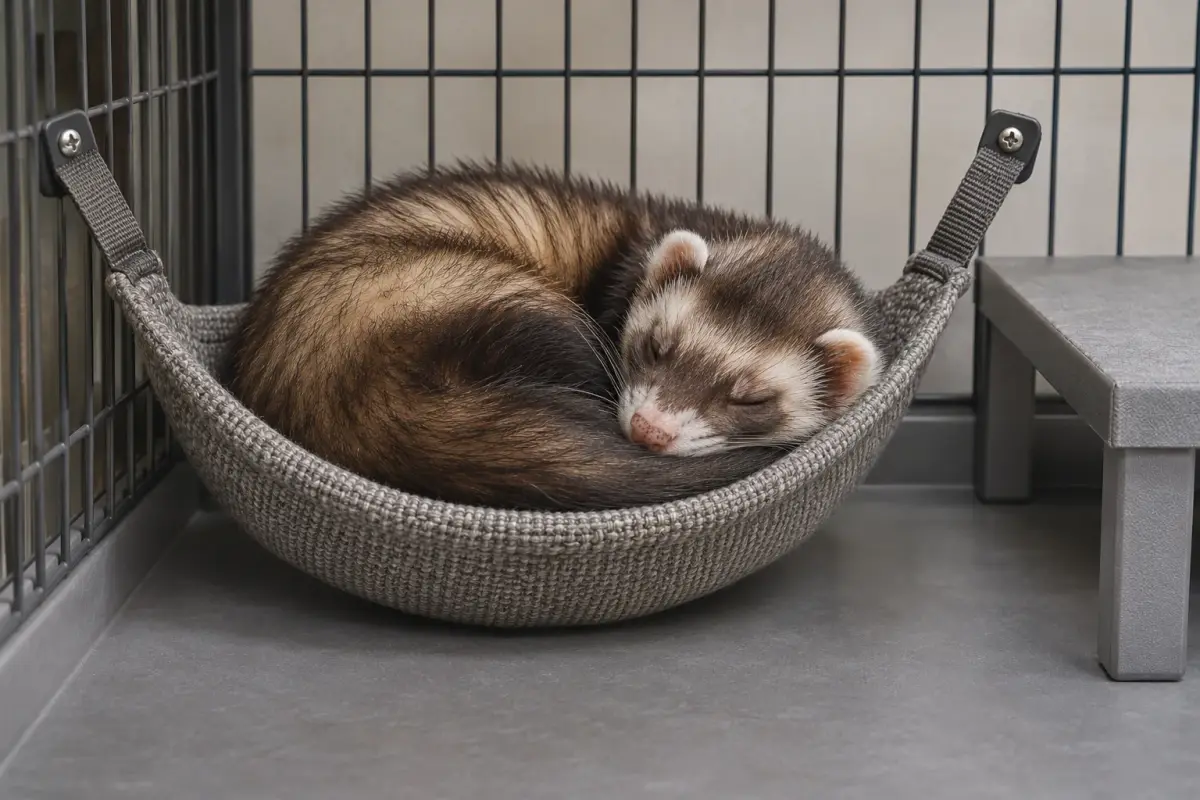
The best ferret bed is a dark, enclosed or hanging sleeping spot in a fabric that will not unravel and that your ferret does not chew. Hammocks, fabric huts, tents and cloth bags are the usual types. Because swallowed fabric can cause a blockage, check beds often and remove any that get chewed. Browse our ferret beds after reading this.
By Matt GarnettUpdated November 13, 20264 min read2 sources
What a ferret needs from a bed
VCA Animal Hospitals says ferrets sleep 12 to 18 hours a day, and the Merck Veterinary Manual says up to 18, so the bed is where a ferret spends most of its life. VCA advises providing a dark, enclosed sleeping area. Many ferrets like hammocks or fabric huts, and the usual choices include a hammock on an upper level, a tent, a cloth bag, or a towel or T-shirt.
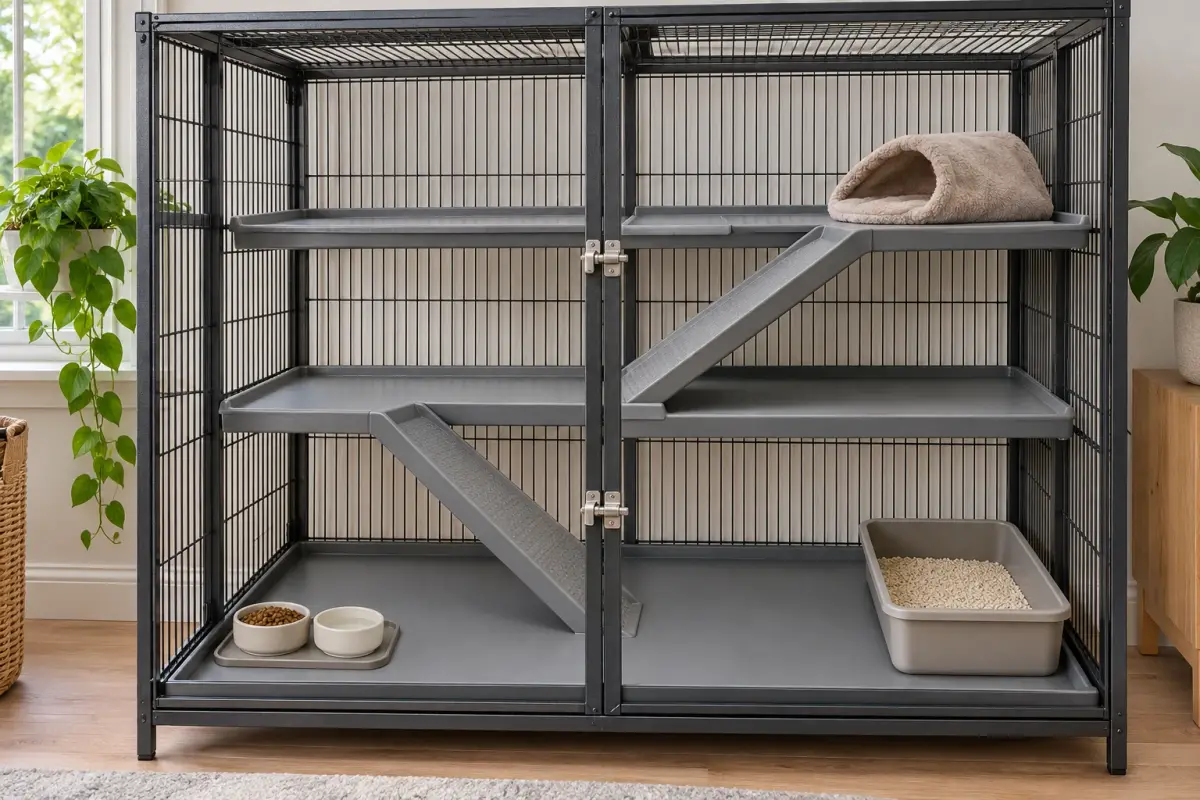
A good bed is easy to climb into, large enough for a ferret to stretch out or curl up with a cage mate, and easy to lift out and wash. Keep the sleeping area away from the food, water and litter box, which VCA suggests placing on a lower level of a multilevel cage.
Hammock, hut or tent: which type suits
A hanging hammock uses vertical space, keeps a ferret off the cage floor and suits multilevel cages. A hanging cage hammock is one version, and a two-tier hanging hammock gives two sleeping levels in one fitting. Check how it attaches to the cage and that the hooks leave no gap a ferret could slip through.
Huts and tents give the dark, enclosed feel many ferrets prefer, and a cloth bag or tunnel-style sleeper works too. A reversible hanging pet hammock bed pack gives you a spare so one can be washed while the other is in use. Whatever the type, a ferret that sleeps in a pile with friends needs room for all of them.
Fabric safety is the deciding factor
Ferrets chew soft things and swallow what they chew. The Merck Veterinary Manual advises that fabric should not unravel and that the ferret should not eat it, and VCA says to remove bedding right away if your ferret chews it. Swallowed objects can cause a life-threatening intestinal blockage.
That makes fabric choice a safety decision. Look for tightly woven fabric with no loose threads, fringe, pom-poms, buttons or stuffing, and avoid foam, which VCA lists among the unsafe materials. Check any bed every day at first, and again after a wash, since seams and edges can fray. If your ferret has swallowed fabric or is vomiting, not eating or lethargic, call your vet at once.
Placement, temperature and the cage
Ferrets have no sweat glands and are sensitive to heat and humidity. VCA says to keep the cage at or below 80°F, and the Merck manual gives 65°F to 75°F as usually comfortable. Keep the cage out of drafts, dampness and direct sun, and do not put a thick, heavy bed where it holds heat.
Merck recommends a wire cage at least 3 feet wide by 3 feet deep by 2 feet high, and VCA gives a minimum of 24 by 24 by 18 inches, so check that a hammock or hut fits without crowding the space. If you are choosing a home as well, see our guide to ferret cages and the ferret cages collection.
Washing and replacing beds
Soiled bedding should be replaced promptly. Keep a spare bed so one is always clean and dry, and follow the care label on each one. Wash with a mild, fragrance-free detergent and rinse well, because a ferret will sleep with its face in the fabric.
Inspect a washed bed before it goes back in. Retire any bed that has worn patches, loose stitching or holes, even if the ferret has not chewed it yet. Replacing a worn bed early is far safer than risking a swallowed thread.
What to avoid
Avoid cedar bedding, which releases oil that may be toxic, wood chips, which VCA describes as dusty and messy, and anything with foam or rubber. Avoid beds with long ties, strings or loose trim, and beds with small plastic parts. Cat litter and wooden flooring are poor choices elsewhere in the cage too.
If your ferret persistently chews fabric, a washable towel changed often may be safer than a stitched hammock, and your vet can advise on chewing. See all our ferret beds once you know which type suits your cage and your ferret.
This page is general information, not veterinary advice, and it cannot replace an examination by the vet who knows your pet.
Common questions
What is the best bed for a ferret?
A dark, enclosed or hanging sleeping spot in a tightly woven fabric that does not unravel. Hammocks, fabric huts, tents and cloth bags are common, and the bed should be removed if chewed.
Can ferrets sleep in hammocks?
Yes. Many ferrets like hammocks and fabric huts, and VCA mentions a hammock on an upper level of a multilevel cage. Check the fabric and hooks regularly.
Why do ferrets chew their bedding?
Ferrets chew soft objects, and swallowed fabric can cause an intestinal blockage. If your ferret chews bedding, remove it right away and ask your vet for advice on chewing.
How often should I wash a ferret bed?
Replace bedding when it is soiled, keep a spare so one is always clean and dry, and follow the care label on each bed. Inspect it after every wash.
What temperature is best for a ferret bed?
Ferrets are sensitive to heat. VCA says to keep the cage at or below 80°F, and Merck describes 65°F to 75°F as usually comfortable, away from drafts and direct sun.
Sources we checked
This guide is general information, not veterinary advice. If your pet is unwell or injured, contact your veterinarian.