






Small animal supplies
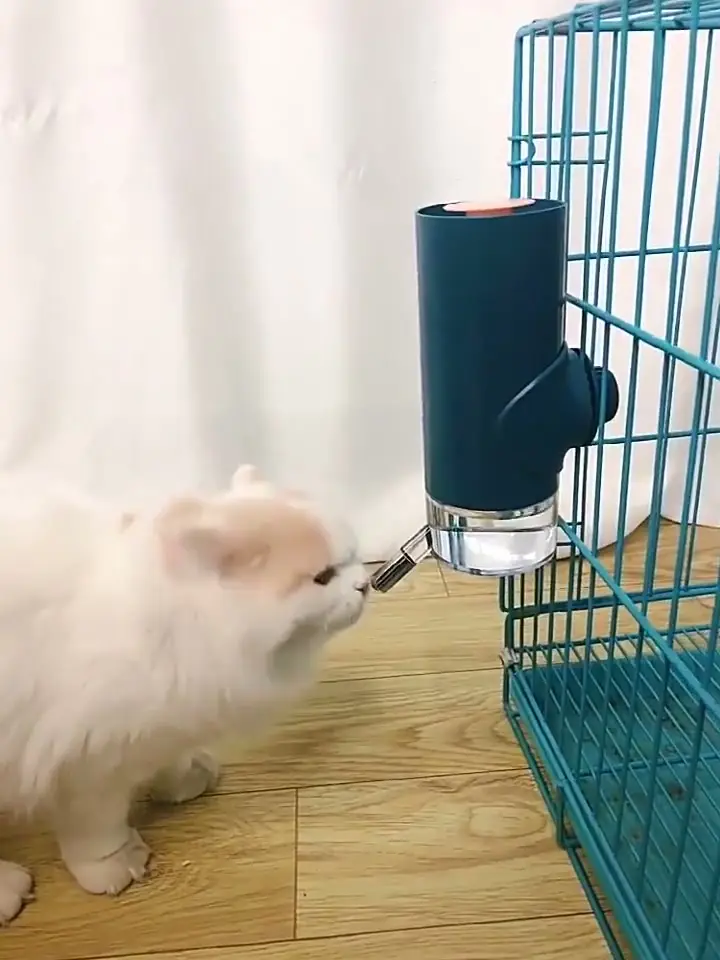
Cage-Mounted Water Bottle with Adjustable Drinking Nozzle
- Options
- 8 to choose from
From $22.99
Free US shipping over $49 · 30-day free returns · Happy pets, happy homes
Pet care guidesSmall pets
Small pets, big personalities.
25 items picked for everyday life with your pet, with shipping estimates on every item.
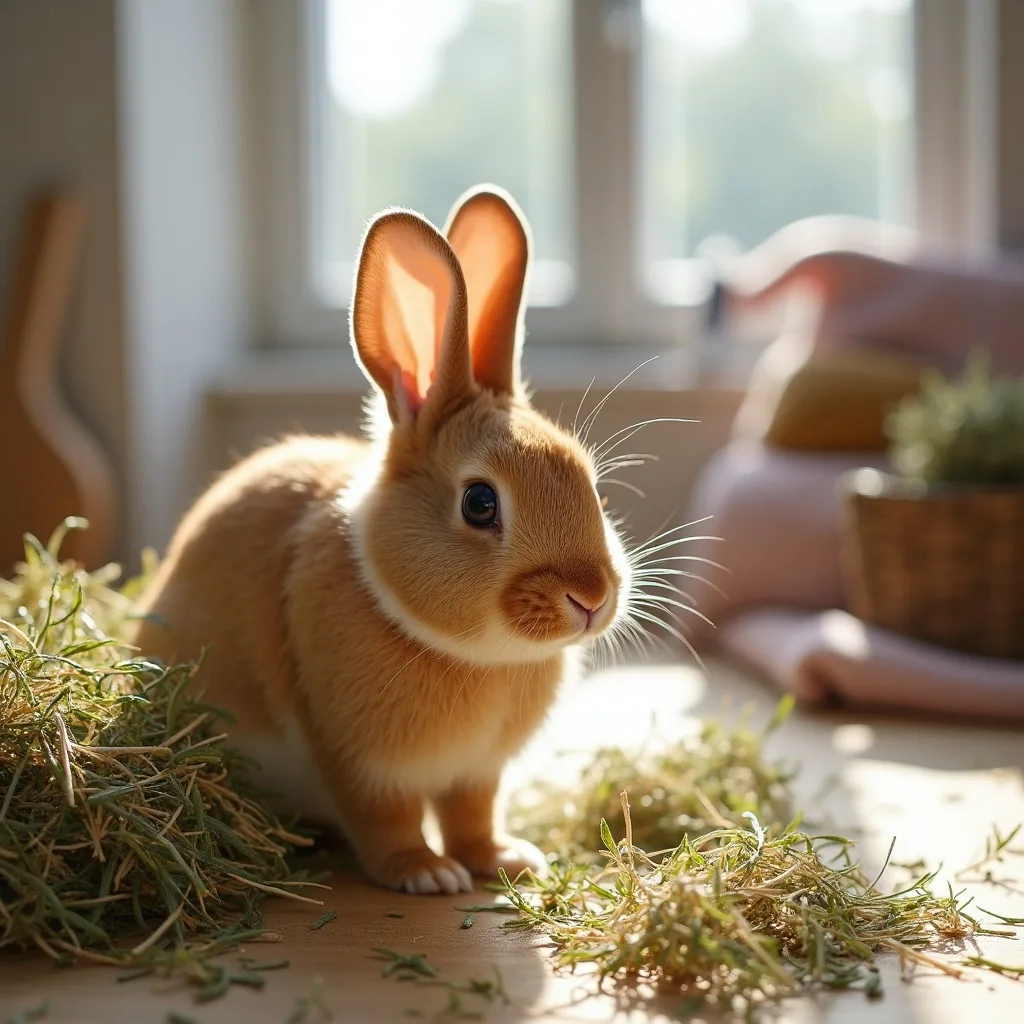 Happy homes for little ones.
Small animal supplies
From $22.99


Hamster bedding
From $11.99


Automatic cat feeders
From $23.99


Dog nail clippers
From $15.99

Snuffle mats
From $22.99


Small animal supplies
From $13.99


A little guidance
Buying guides and care advice written for this range: what to measure, what matters and what to skip.
This page is the hub for our small animal supplies: rolling bunny and guinea pig cages, a play fence cage on casters, a four-tier wooden guinea pig and hamster cage, fleece-lined hanging tunnel hideouts, woven grass huts, wooden nests, suspension bridges, an ice-stone cooling pad, and rabbit grooming care including no-rinse foam, detangling and softening sprays and cleaning mousse. It is for owners of rabbits, guinea pigs, hamsters and other small pets.
The single most important purchase for any small pet is a home big enough to move, hide and play in. VCA's advice for rabbits is that the biggest cage you can afford is too small, and for rodents that cages must be easy to clean, with a solid-floored wheel where one is used.
Rolling cages make cleaning easy. A play fence on casters adds safe exercise space around a cage. Wooden cages look attractive, but VCA notes that wood is hard to disinfect and rodents chew it, so check and replace parts as needed.
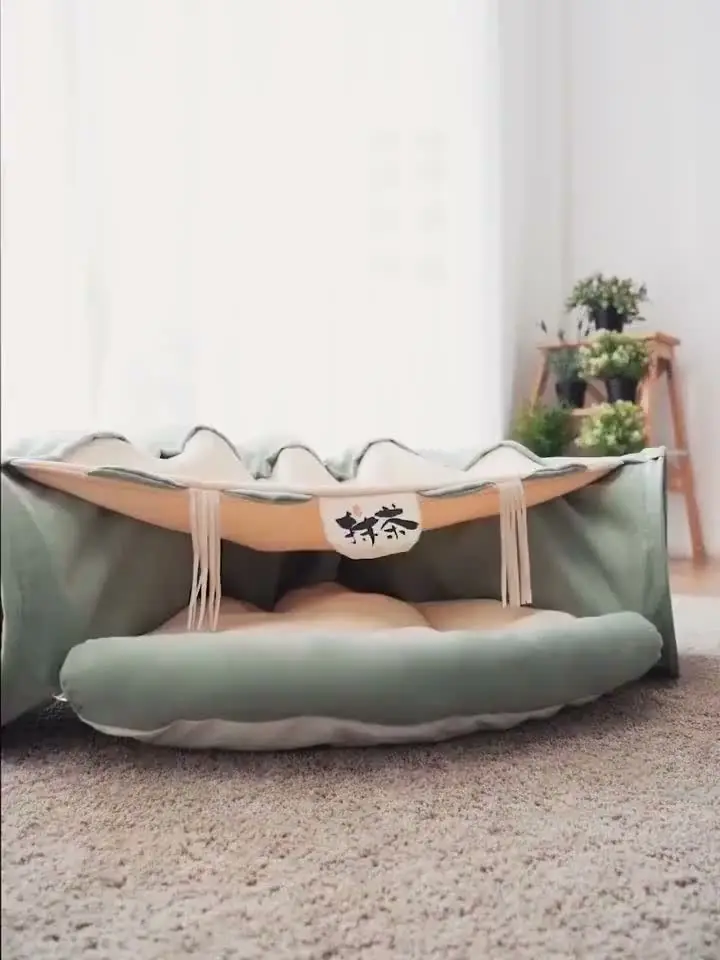
Rabbits, guinea pigs and hamsters are prey animals and need places to hide. Woven grass huts double as something to chew and nibble. Fleece-lined hanging tunnels give a cozy hammock for guinea pigs and rats. Wooden nests suit hamsters and small rodents.
Suspension bridges link cage levels and add climbing. Keep climbing low for hamsters and guinea pigs, who are not built for heights.
Small animals overheat easily. VCA advises keeping rabbits at or below 80 degrees F with good ventilation, and many rodents are similarly sensitive. An ice-stone cooling pad gives a cool surface to lie on in summer.
Keep cages out of direct sun and away from heaters. In a heat wave, frozen water bottles wrapped in a towel help. Heavy panting, lethargy or lying stretched out flat can be signs of heat stress that need urgent action and a call to your vet.
Long-haired rabbits and guinea pigs need regular brushing to prevent mats. Detangling and softening sprays help brushes glide through. Rabbits should not be bathed in water, which can cause shock and chills, so no-rinse foam and cleaning mousse are used to spot clean a dirty patch.
Check nails monthly and look at the rear end daily in warm weather; a dirty bottom on a rabbit attracts flies, and flystrike is an emergency.
VCA recommends paper-based bedding for rodents and warns that cedar shavings can irritate the airways. Rabbits and guinea pigs need unlimited fresh hay every day, which also wears their constantly growing teeth.
Do a quick health check every day: eating, drinking, droppings, bright eyes and a clean nose. A rabbit or guinea pig that stops eating or passing droppings needs an exotic animal vet the same day.
Before your pet comes home, set up the cage with bedding, a hide, a water bottle or bowl, a heavy food dish, hay for herbivores and a few chews. Place it in a quiet room away from drafts, other pets and loud noise.
Give your pet a few days to settle before lots of handling, and find an exotic animal vet near you in advance, since not every clinic treats small mammals.
A large cage or pen, a hide, hay, a heavy bowl and water bottle, safe bedding, chew toys and grooming tools.
Paper-based bedding is safest. VCA warns that cedar shavings can irritate the respiratory tract.
Rabbits should not be bathed in water. Use a no-rinse foam or mousse to spot clean, and see a vet for a very dirty rear.
Keep the cage in shade, ventilate well, offer a cooling pad or frozen water bottle wrapped in a towel, and watch for heat stress.
As big as you can manage. VCA says the biggest cage you can afford is too small for rabbits.
It depends on your home. Guinea pigs are social and gentle but need space and company; hamsters suit small spaces but are nocturnal. Rabbits need the most room. Talk to an exotic animal vet or shelter before deciding.