






Breeds
Wet vs Dry Cat Food: Which Is Better?
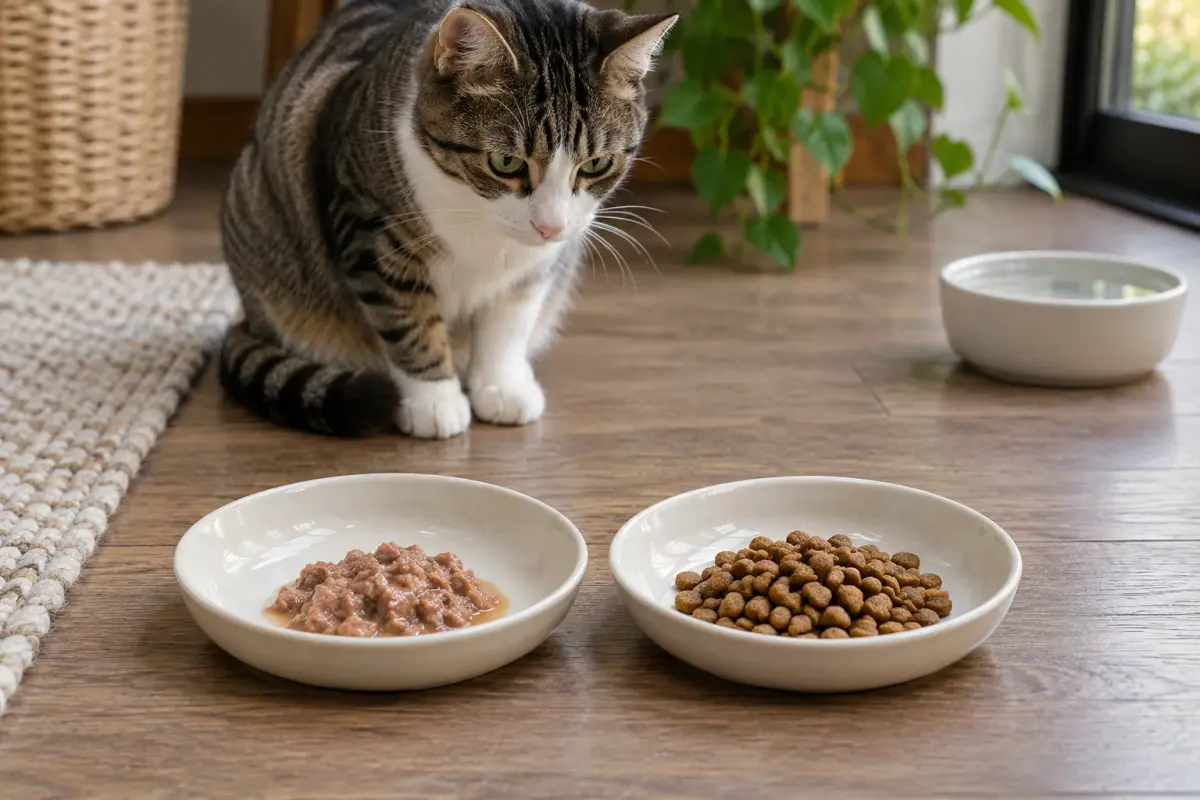
Neither wet nor dry cat food is better for every cat. Both can be complete and balanced. Wet food adds a lot of water and makes portion control easier, which helps cats that drink little or need to lose weight. Dry food is cheaper, keeps well and suits puzzle feeders. Many cats do best on a mix, with the total calories kept in check.
By Matt GarnettUpdated November 9, 20263 min read3 sources
The short answer
VCA's general feeding guidance says you can feed dry, canned or a combination, and does not rank one above the other. What matters most is that the food carries an AAFCO statement saying it is complete and balanced for your cat's life stage, which both Cornell Feline Health Center and VCA recommend checking.
So the real question is which suits your cat and your routine. The sections below compare the two on the points that usually decide it: water, weight, teeth, cost and convenience.
Water content
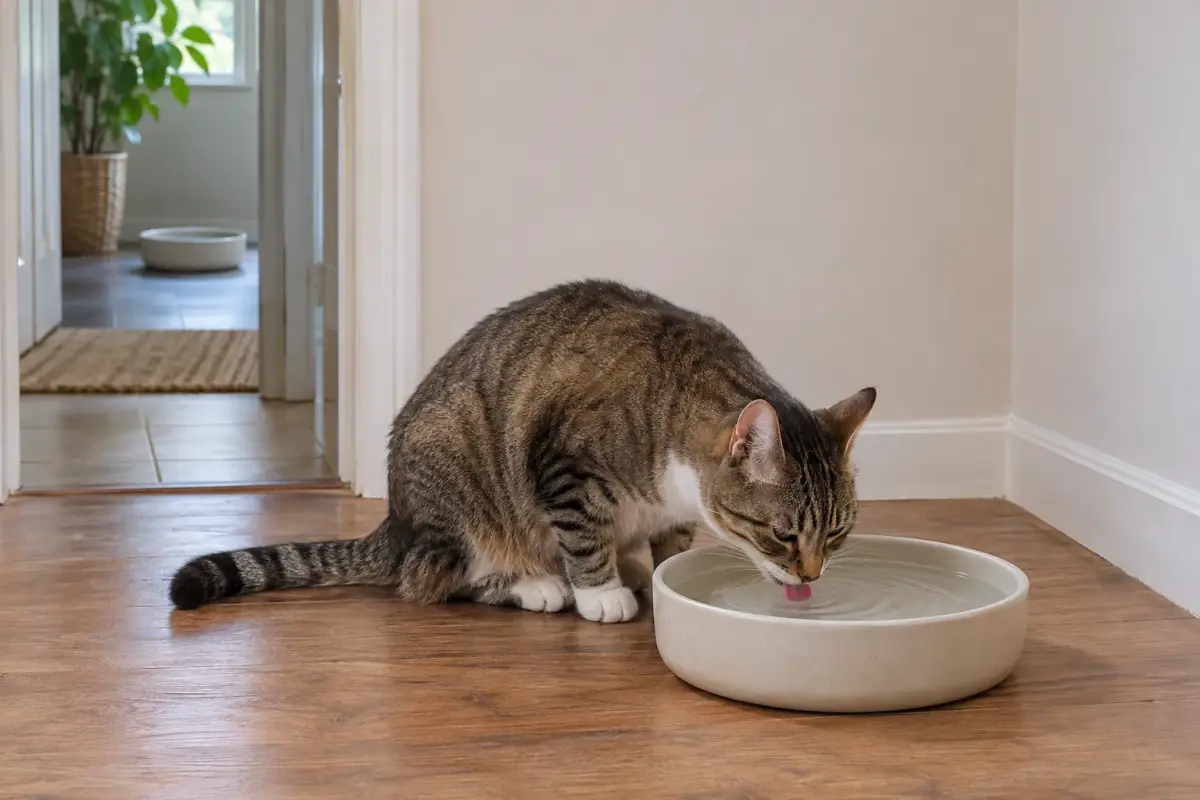
This is the biggest difference. Cornell notes that canned food is at least 75% water while dry food is only 6 to 10%. The Merck Veterinary Manual adds that cats eating mostly canned food drink less from the bowl, because they are getting much of their water from meals.
Cats evolved getting most of their water from prey and often have a weak urge to drink. For cats prone to urinary problems, cats with kidney disease or cats that simply do not drink much, VCA suggests adding canned food or water to the diet. Your vet may recommend wet food specifically for some of these conditions.
Weight control and satiety
Wet food is less calorie-dense per bite, so a cat can eat a satisfying volume for fewer calories, and fixed portions in cans make it easy to measure. Many vets find this helpful for overweight cats, though a cat can still gain weight on wet food if it is overfed.
Dry food packs more calories into a small volume and is often left out for grazing. Cornell cautions that free feeding leads some cats to overeat, and obesity is the most common nutrition problem in cats. If you feed dry, measure it.
Teeth and dental health
A common belief is that dry food cleans teeth. Ordinary kibble shatters when a cat bites it and offers little scrubbing action, so it should not be relied on to prevent dental disease. Some prescription and specially designed dental diets are made to clean teeth; ask your vet if that interests you.
Cornell notes that cats with dental disease may do better on wet food, smaller kibble or dry food with water added. Regular dental checks at the vet matter far more than the type of food.
Cost, storage and convenience
Dry food is cheaper per calorie, lighter to store and can be left in a bowl, a puzzle feeder or a timed feeder. Cornell advises storing it airtight in a cool, dry place and checking the date, since fats can turn rancid over time.
Wet food costs more and needs more handling: opened cans go in the fridge, and VCA notes moist food spoils quickly if left out. It suits meal feeding rather than grazing, so plan on picking up leftovers after about 30 minutes.
Feeding a mix, and when to ask your vet
Mixing gives cats the water and portion benefits of wet food with the convenience of dry. A common pattern is wet food morning and evening with a measured amount of dry food in a puzzle toy in between. Count the calories from both so the daily total stays the same.
Ask your vet which is best if your cat has urinary, kidney, dental or weight problems, or diabetes, since the answer can change with the condition. Change foods gradually over a week or so to avoid stomach upset.
This page is general information, not veterinary advice, and it cannot replace an examination by the vet who knows your pet.
Common questions
Is it OK to feed my cat only dry food?
Many cats live healthy lives on a complete and balanced dry food, provided they drink enough and are not overfed. Make sure fresh water is always available, and ask your vet if your cat has urinary or kidney concerns.
Should cats eat wet food every day?
It is not required, but daily wet food is a simple way to increase water intake and helps with portion control. Many owners give one or two wet meals a day alongside measured dry food.
Can I mix wet and dry cat food in the same bowl?
You can, but the mixed bowl should be treated like wet food and picked up after about 30 minutes. Feeding them separately lets you leave the dry portion out longer.
Is wet food better for older cats?
Older cats often benefit from the extra water and softer texture, especially with dental or kidney problems. Your vet can tell you whether a particular senior or therapeutic food suits your cat.
Sources we checked
This guide is general information, not veterinary advice. If your pet is unwell or injured, contact your veterinarian.


