Health & vet care
Dog Dental Disease: Signs, Stages and When to See the Vet
Dog dental disease is infection and inflammation of the gums and the structures that hold the teeth in place, and it is the most common health problem in adult dogs. VCA Animal Hospitals reports that more than two-thirds of dogs over age three have some degree of periodontal disease. Early on, bad breath is often the only clue, which is why a regular vet check matters.
By Matt GarnettUpdated November 13, 20265 min read2 sources
What dental disease usually means
It starts with plaque, a sticky film of bacteria that coats the teeth after every meal. Left alone, plaque mineralizes into tartar, the yellow-brown crust along the gumline. The first stage is gingivitis, red and inflamed gums, and according to VCA it is the only stage that can be reversed. Once infection works down into the tooth socket and starts to destroy bone, the damage is permanent, and the tooth can loosen and eventually fall out.
Small dogs and short-nosed breeds are more prone to it, and the AKC notes that small breeds carry all 42 adult teeth in a smaller jaw, which can crowd them and trap debris. Actual tooth decay is rare in dogs, under 10 percent of dental problems, according to VCA. What dogs mostly get is gum and bone disease, plus teeth that fracture on hard objects.
Signs to watch for, and when to call your vet
Healthy gums are firm and pink, sometimes with black pigment. Call your vet to book an exam if you see red, swollen or bleeding gums, tartar you can see, breath that smells sour or foul, drooling that is new for your dog, or gums that look like they are pulling back from the teeth. Other clues are pawing at the mouth, head shaking, dropping food, chewing on one side, or turning away from a hard treat they used to like.
None of these is an emergency by itself, but they are worth a visit within days or a couple of weeks rather than months. Few dogs show obvious pain, so a dog that is still eating can still have significant disease. Learn what your dog's breath normally smells like, because a change is easier to notice than a number on a chart.
When it is an emergency
Get to your vet or an emergency clinic the same day if your dog has facial swelling, a swollen area under or near the eye, a broken tooth with a bleeding or pink center, a mouth that will not close properly, or stops eating or drinking altogether. VCA lists abscesses and jaw fractures among the complications of advanced disease, and a fractured tooth with exposed pulp should not be left untreated.
Also call promptly if bad breath comes with lethargy, vomiting or weight loss. Some studies link bacteria from severe oral disease with changes in the heart, liver and kidneys, so mouth problems are not only a mouth problem. Do not wait to see whether it passes.
What you can safely do at home
Look in the mouth once a week. Lift the lips, check the gums for color and swelling, and look for tartar on the back teeth, where it builds up first. Brushing with a soft brush or finger brush and a toothpaste made for dogs is the best plaque control, according to VCA, and our guide on how to brush dog teeth walks through it step by step. Never use human toothpaste, because many contain xylitol, which is toxic to dogs.
Do not try to scrape off tartar yourself, and do not give anything you think might treat an infected mouth. If a tooth is already sore, brushing may hurt, so let the vet look first. Ask the vet before starting any dental product, since the right choice depends on what they find.
What the vet will check
Your vet will examine the teeth and gums for tartar, redness, recession and loose or broken teeth. VCA says real dental treatment is a professional cleaning under general anesthesia, because an awake scaling only removes tartar for show and cannot clean under the gumline. Before anesthesia, expect blood tests to check kidney and liver function, then a full oral exam, X-rays of the teeth and roots, and scaling and polishing above and below the gumline.
Teeth that are badly diseased or fractured may need to be extracted, and some cases are referred to a veterinary dentist. Costs vary widely with the dog and the work needed, and our page on dog teeth cleaning cost explains what drives the bill.
Preventing dental disease
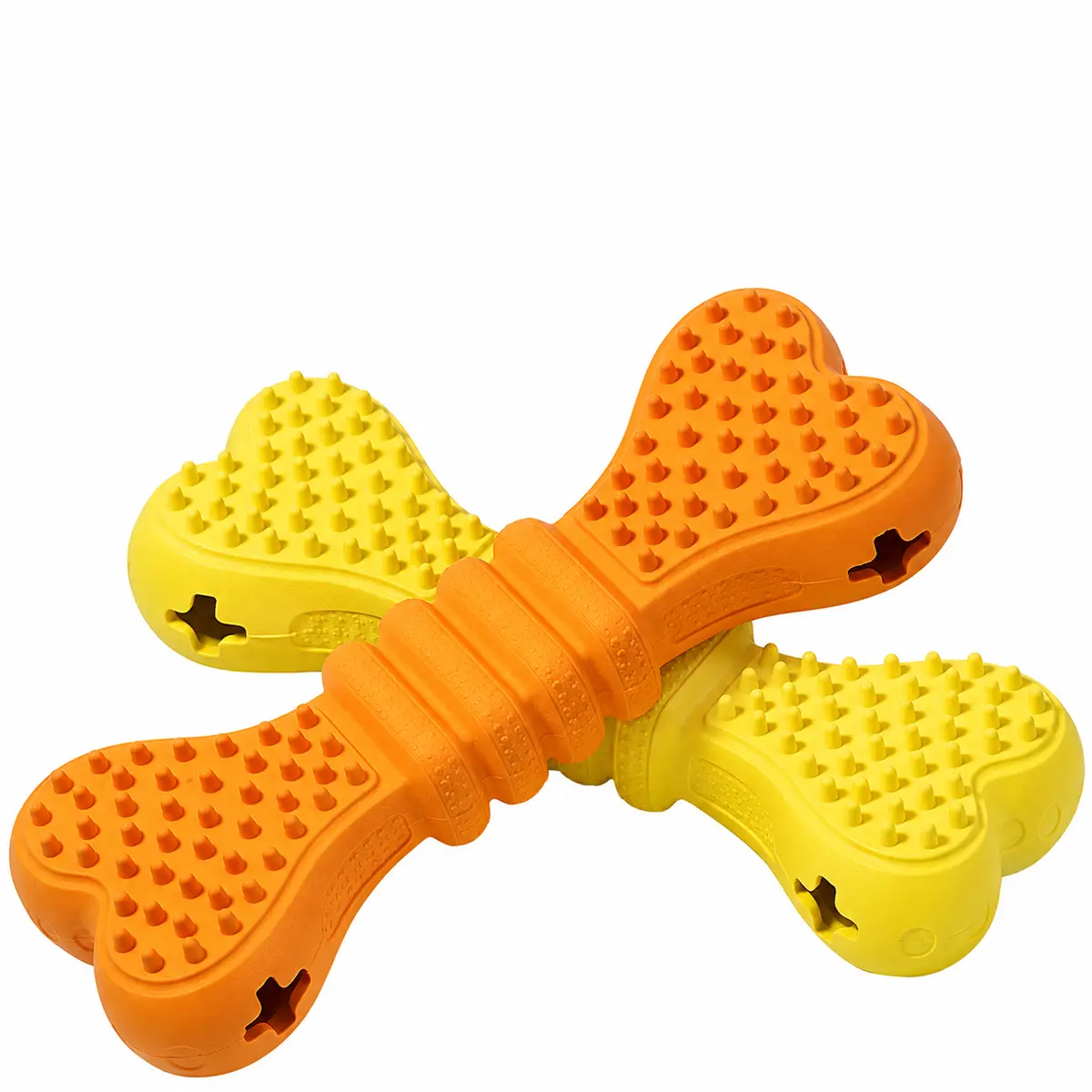
Daily brushing is the gold standard, and if that is not realistic, dental chews, dental diets and water additives are options your vet can advise on. VCA suggests looking for products that carry the Veterinary Oral Health Council seal. A good dental chew, such as the ones in our dental chews for dogs range, should bend and give when you press it. Soft chews can also add calories, so count them in the daily total.
Avoid ice, bones, hard nylon, antlers and hooves, which VCA names as common causes of fractured teeth. If you are choosing brushes or finger brushes, browse dog toothbrushes, and see our guide to the best dental chews for dogs for what to look for. Dry kibble on its own does not remove existing tartar.
This page is general information, not veterinary advice, and it cannot replace an examination by the vet who knows your pet.
Common questions
What are the first signs of dental disease in dogs?
Bad breath that smells sour or stronger than usual is often first, followed by tartar, red or bleeding gums, and chewing on one side. Many dogs show no obvious pain, so a routine vet exam is how most disease is found.
Can dental disease in dogs be reversed?
Only the first stage, gingivitis, can be reversed, according to VCA. Once infection has damaged the bone around a tooth, the damage is permanent, though your vet can treat it and slow it down with cleaning and home care.
Is dog dental disease painful?
It can be, but dogs hide pain well. Pawing at the mouth, dropping food, chewing on one side or a reluctance to eat hard food can all signal that a mouth hurts, so these signs deserve a vet visit.
Do dental chews cure dental disease?
No. Chews may help slow plaque, but they do not remove existing tartar below the gumline or treat infection. Your vet decides what treatment is needed, and chews are a supplement to brushing, not a replacement.
How often should my dog have a dental exam?
Most vets check the teeth at every routine visit, usually once a year. Small breeds and flat-faced dogs may need closer attention, so ask your vet how often your dog should be seen.
Sources we checked
This guide is general information, not veterinary advice. If your pet is unwell or injured, contact your veterinarian.