






Care & how-to
Splay Leg in Chicks and Pasty Butt: When to Get Help
A chick whose legs spread abnormally or whose vent is blocked by dried droppings needs prompt attention and poultry veterinary advice. Splay leg describes a leg-position problem; pasty butt describes material stuck around the vent. They are different problems and should not be diagnosed from a photo alone. Check brooder conditions while arranging help, especially if the chick cannot stand, eat, drink, or pass droppings.
By Matt GarnettUpdated November 11, 20264 min read2 sources
Observe the problem without forcing a diagnosis
Watch the chick in a normal position and note whether it can stand, move toward food and water, and pass droppings. Take a clear photograph or short video without repeatedly manipulating the legs. Report when the problem first appeared and whether it affects one chick or several.
Describe what you see rather than labeling every difficulty walking as splay leg. A poultry veterinarian may need to distinguish a developmental issue, injury, or another condition. The same applies to material around the vent: its appearance does not tell you why the droppings changed or whether there is an additional problem.
Check the footing in the brooder
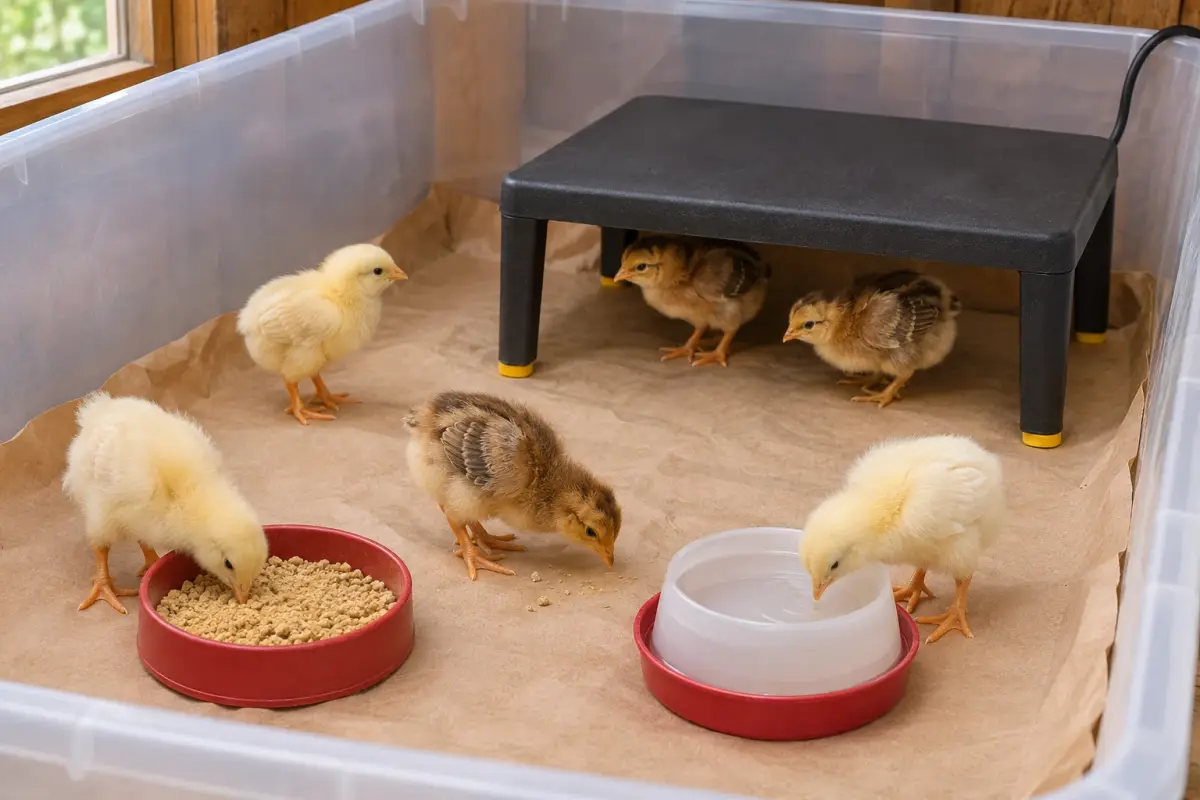
Cooperative Extension warns against slick surfaces such as bare plastic, cardboard, or newspaper because poor traction can contribute to leg problems. Review what the chick actually walks on, including wet or compacted areas that may differ from the dry bedding you originally supplied.
Provide suitable clean, dry footing while seeking advice, and keep the area easy to inspect. Do not repeatedly stretch the legs, apply tight tape, or improvise a splint from an online picture. A device that fits one bird may be wrong for another, and the cause needs assessment before a treatment plan is chosen.
Treat a blocked vent as a prompt-care concern
Colorado State University’s Boulder guide explains that droppings can adhere to the rear, dry, and block the vent. Check the area during routine care rather than assuming material stuck to feathers is harmless. If the chick is straining, appears weak, or cannot pass waste, get veterinary advice promptly.
The guide describes softening adhered droppings with warm water and removing them carefully without wounding the chick. Do not pull a hardened lump from delicate skin. If you cannot clear the area gently, the skin is damaged, or the material keeps recurring, stop and ask the veterinarian for direction. Keep the chick warm and dry afterward.
Review warmth, water, and feeding access
Young chicks depend on a properly managed brooder and equipment they can use. Cooperative Extension explains that the brooding area should allow hatchlings to move toward or away from warmth, and that clean water must remain available. Check the birds’ distribution as well as the equipment setting.
Make sure a chick with limited movement can actually reach suitable feed and water without being trampled or blocked. Do not force liquid into its beak or make a homemade replacement for chick starter. Tell the veterinarian about the brooder, feed label, drinking arrangement, and any recent transport or handling.
Seek help early when a chick is declining
Call a poultry veterinarian about a chick that is persistently weak, eating poorly, failing to move normally, or repeatedly developing a pasted vent. Being small or newly arrived does not make continuing deterioration something to watch indefinitely. Keep a record of the signs and any changes already made.
Collapse, marked breathing difficulty, inability to stand or reach essential resources, or several suddenly affected chicks requires urgent advice. Ask the clinic how to keep the chick comfortable and transport it safely. Do not begin medicines, supplement doses, or a home procedure while waiting to establish which problem is present.
Plan continuing care and later housing
Inspect chicks and their environment regularly, correcting wet bedding and checking feeding and drinking points. Keep handling calm and brief while a problem is being assessed. Note whether other birds are developing similar signs and report that pattern rather than assuming every chick requires the same remedy.
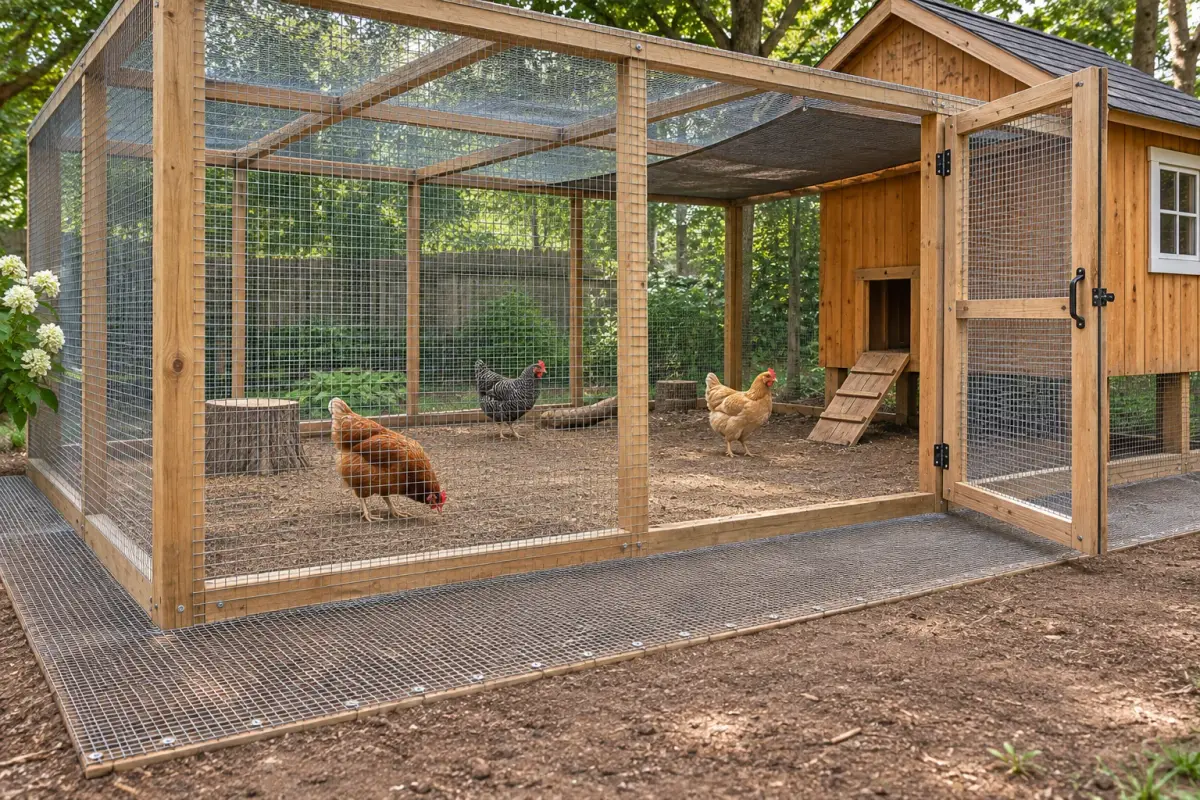
As the flock grows, compare the Chicken Coops and Chicken Runs collections against the birds’ space and access needs. Those future arrangements do not replace suitable brooding now. Ask a poultry professional when the actual chicks are ready for a change, particularly if any still have mobility or health concerns.
This page is general information, not veterinary advice, and it cannot replace advice from a veterinarian who treats poultry.
Common questions
What should I do about splay leg in chicks?
Seek poultry veterinary advice promptly and check the chick’s footing and access to essentials. Do not assume every walking problem has the same cause or apply a tight homemade brace from a photograph.
What is pasty butt in chicks?
It describes droppings adhering around the rear, which can dry and block the vent. Check promptly, avoid pulling hardened material from the skin, and ask for help if waste cannot pass normally.
Can slippery brooder flooring contribute to leg problems?
Yes. Cooperative Extension warns against slick surfaces such as bare plastic, cardboard, and newspaper. Review the actual walking surface and provide suitable clean, dry footing while obtaining advice about an affected chick.
When is a sick chick an urgent veterinary concern?
Seek urgent advice for collapse, marked breathing difficulty, inability to stand or reach food and water, inability to pass droppings, or several suddenly affected chicks. Describe the signs and brooder conditions clearly.
Sources we checked
This guide is general information, not veterinary advice. If your pet is unwell or injured, contact your veterinarian.


