






Care & how-to
How to Keep Dogs and Cats Cool in Summer
Keep dogs and cats cooler in summer by providing fresh water, a comfortable indoor retreat, shade, and activity suited to the conditions. Check the animal regularly rather than assuming a fan or water bowl makes every situation safe. Excessive panting, weakness, vomiting, or collapse can signal a heat emergency and need immediate veterinary attention.
By Matt GarnettUpdated November 10, 20264 min read4 sources
Make the cool space available before it is needed
Cornell recommends keeping cats in air-conditioned indoor areas when extreme heat is forecast. Identify the space your pet can actually reach and rest in, rather than a room that is cool only while its door is closed. Check the pet’s usual hiding or resting places as conditions change.
For cats, Cornell also recommends checking sheds, garages, greenhouses, and other outbuildings where an animal could become trapped. Do that before closing a door, not after noticing a missing pet. A cat may choose a quiet location without being able to leave it when the temperature rises.
Keep fresh water accessible and check it
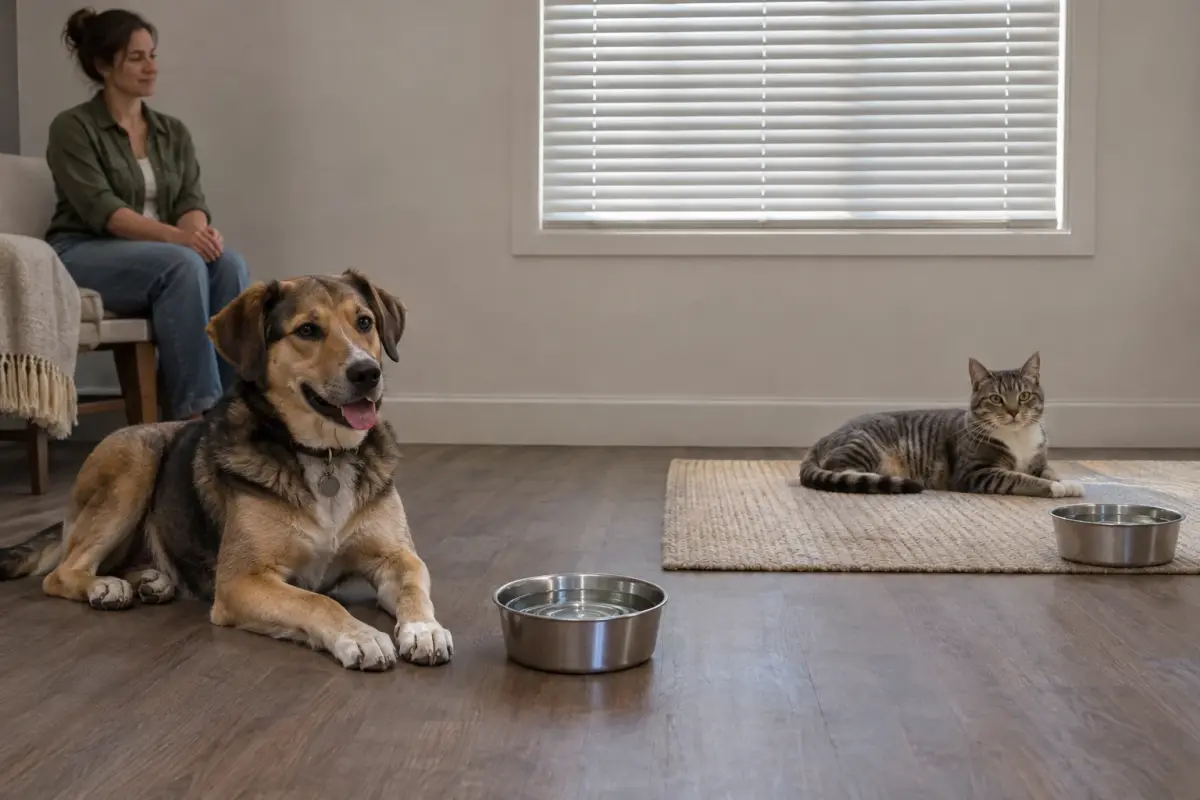
Both Cornell’s feline guidance and the AKC’s summer advice emphasize fresh water indoors and outdoors. Place it where the animal can reach it easily and check the supply during the day. A bowl that was filled earlier may have been spilled or become inaccessible behind a closed door.
Cornell notes that a running-water source may encourage some cats to drink. That can be an option, such as a cat water fountain, but continue checking that water is actually available. Ask your veterinarian about changes in drinking or a pet whose medical condition makes hydration or access more complicated.
Adjust outdoor time instead of relying on endurance
The AKC recommends cooler morning or evening walks and attention to hot surfaces. Keep a dog’s outing flexible: the planned route is less important than the conditions the animal encounters. Provide shade when outside and supervise rather than assuming that a dog will stop before becoming uncomfortable. Some owners try dog boots for hot pavement on unavoidable hot ground, though testing the surface still comes first.
VCA advises similar timing for cats that exercise outdoors and recommends cool, soft resting areas. If your cat is allowed outside, make indoor access and shade part of the arrangement. Staying indoors during extreme heat is a practical choice, not something that must be earned by first showing signs of distress.
Use cooling aids as part of supervision
VCA suggests closing blinds or curtains during the day and maintaining airflow to help cats stay comfortable. Cornell lists cooling mats as another option. Consider where the pet prefers to lie, and check how that location feels during the warmer part of the day. A dog cooling mat or a cooling mat for cats is one way to offer a cooler surface to lie on.
A mat or fan does not remove the need to observe the animal or provide a cooler retreat. Grooming also matters: VCA notes the value of removing excess loose hair. Ask for guidance for your pet’s particular coat rather than assuming a drastic haircut is the solution to summer heat.
Know which animals may need more caution
VCA identifies short-nosed pets, older animals, overweight pets, and those with heart or lung disease as particularly vulnerable to heatstroke. Discuss their summer routine with your veterinarian before a hot spell. A familiar walk or usual outdoor arrangement may need to change as health and weather change.
Never leave a pet alone in a parked car, even with the windows open. Both dog and cat guidance warns that vehicles can become dangerous quickly. Include the animal when planning errands, transport, and appointments so you do not depend on leaving it behind for a supposedly brief stop.
Act immediately when heat becomes a health problem
Cornell lists excessive panting, drooling, vomiting, diarrhea, weakness, and collapse among feline heatstroke warning signs. VCA gives similar concerns for pets, including breathing difficulty and loss of coordination. These signs should prompt immediate veterinary contact rather than an attempt to diagnose the animal at home.
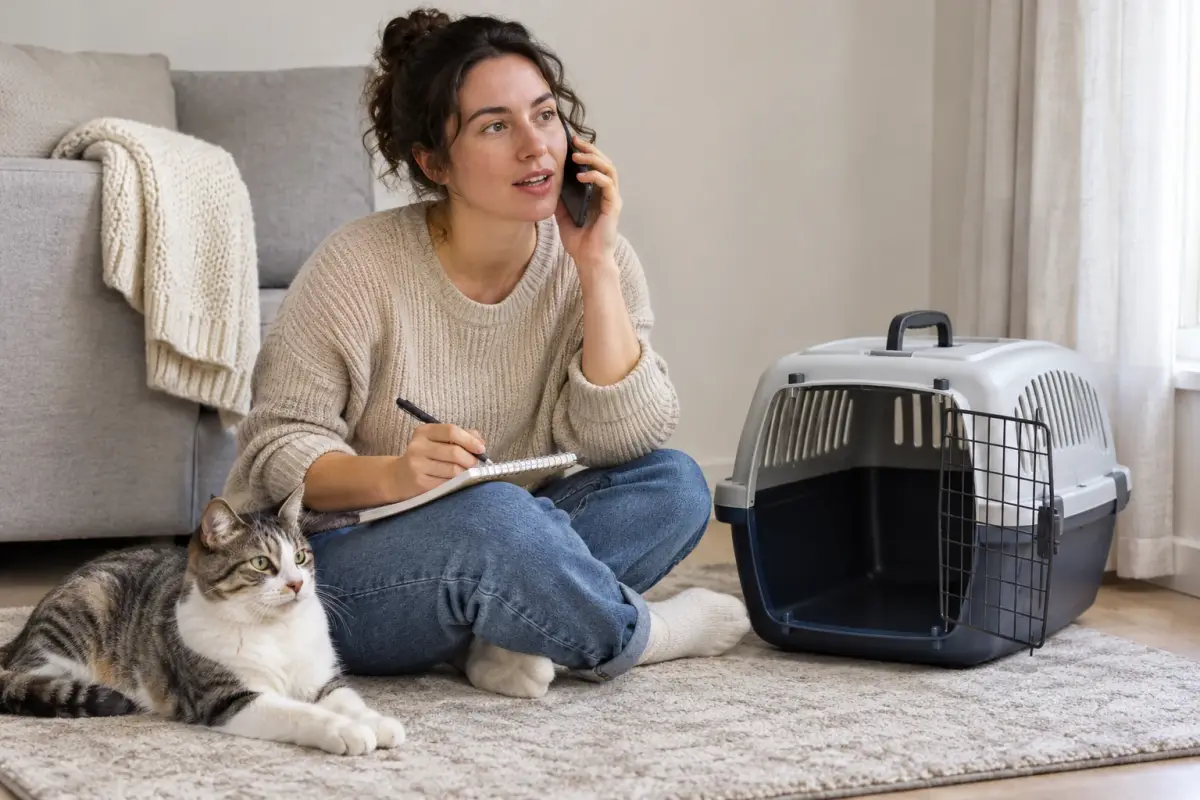
Move the pet out of the heat into a cooler area and contact your veterinarian or an emergency clinic immediately. Cornell advises gently wetting an affected cat’s fur with cool, not very cold, water while obtaining help. Follow veterinary instructions and arrange transport without waiting for apparent improvement.
This page is general information, not veterinary advice, and it cannot replace an examination by the vet who knows your pet.
Common questions
How can I keep my dog cool in summer?
Provide shade, fresh water, a cool retreat, and activity suited to the weather. Change the timing or length of outings when necessary, and watch the dog rather than relying on one cooling product.
How can I keep my cat cool in summer?
Cornell recommends indoor air-conditioned space during extreme heat, fresh water, and shade for cats allowed outside. Check outbuildings before closing them and make sure your cat can reach its cool resting area.
Is a fan enough to prevent heatstroke in pets?
Do not treat a fan as a guarantee. Keep observing the animal and provide suitable water and a cooler retreat. Vulnerable pets may need an individually adjusted routine discussed with a veterinarian.
When does a hot pet need a vet immediately?
Excessive panting, difficulty breathing, weakness, loss of coordination, vomiting, or collapse can signal an emergency. Move the pet out of the heat and call a veterinarian immediately rather than waiting to see whether it recovers.
Sources we checked
This guide is general information, not veterinary advice. If your pet is unwell or injured, contact your veterinarian.


