






Care & how-to
The Dog Days of Summer: A Summer Safety Guide for Dogs
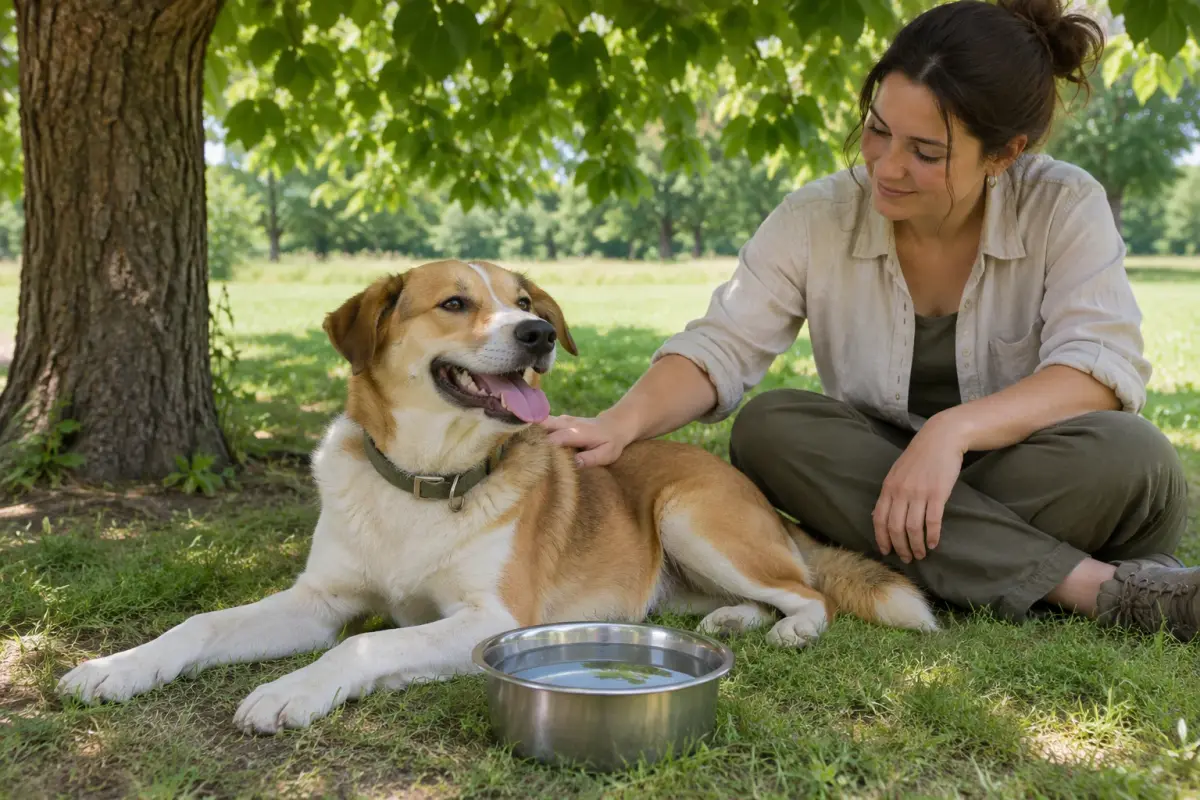
The "dog days of summer" are the hottest weeks of the year, roughly July into August, and they are hard on dogs. Keep your dog safe by walking early and late, never leaving them in a parked car, always carrying water, watching them around pools and cookouts, and giving them a quiet room on the 4th of July. Know the signs of heat stroke and call your vet fast if you see them.
By Matt GarnettUpdated November 10, 20265 min read2 sources
Where the phrase comes from, and why it fits
The phrase goes back to ancient astronomers, who linked the hottest stretch of summer with the rising of Sirius, the Dog Star, in the constellation Canis Major. Today it simply means the sticky, sweltering weeks of high summer. It has nothing to do with dogs lying around in the heat, though anyone who has watched a Labrador flop onto a cool kitchen floor in August might disagree.
For dog owners the timing is apt, because these are the weeks when vets see the most heat-related emergencies. Dogs cool themselves mainly by panting, with only a little help from sweat glands in their paw pads, so they are far less able to cope with heat and humidity than we are. Flat-faced breeds, overweight dogs, seniors, puppies and dogs with thick coats are at the highest risk.
Hot cars: the rule with no exceptions
Never leave your dog in a parked car on a warm day, even for a quick stop. The AKC points out that on an 80°F day the inside of a car can climb past 120°F within minutes, and that leaving the windows partly open does not help. Parking in the shade or running in for "just a minute" are how most tragedies begin, because errands always take longer than planned.
If your dog cannot come into the store with you, leave them at home. If you see a dog in distress in a hot car, note the car's details, alert the store manager and call local animal control or 911. Several states have laws covering what bystanders may do, and the police can act quickly.
Walks, exercise and hot pavement
Shift walks and play to early morning and late evening, when the sun is low and the ground has cooled. The AKC advises avoiding strenuous exercise on very hot days, especially during the hours when the sun is most intense. Swap a long run for a sniff walk in the shade, a short swim, or a training game indoors in the air conditioning.
Asphalt and concrete soak up heat and can burn paw pads long after the air feels comfortable. Press the back of your hand to the pavement for seven seconds; if it is too hot for you, it is too hot for your dog. Stick to grass and shaded paths, or use dog boots. Our guide to how hot is too hot to walk a dog covers the temperatures in more detail.
Water, shade and keeping cool at home
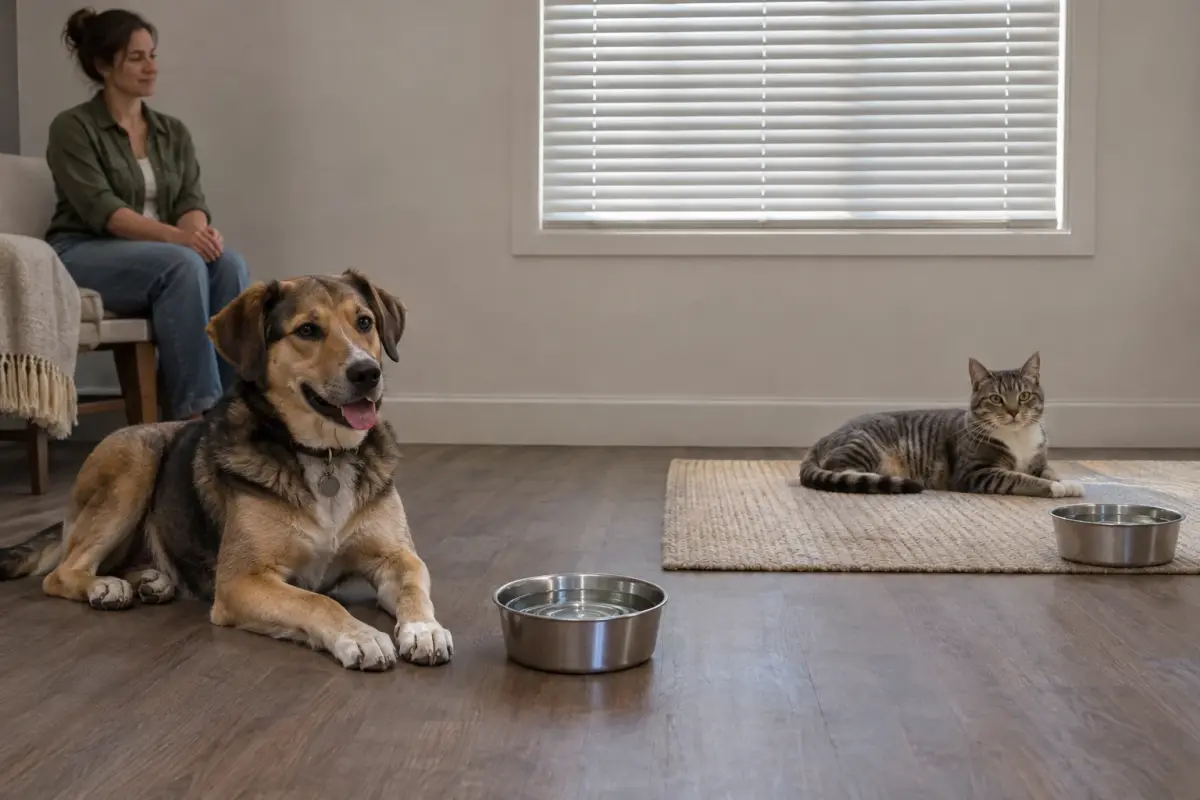
Fresh water should be available all day, inside and out, and you should carry it on every outing; a travel water bottle makes that easy. Dogs left in the yard need full shade that moves with the sun, not just a tree in the morning, and a doghouse can become an oven. On the hottest days, keep your dog indoors with a fan or air conditioning.
Cooling mats, a damp towel to lie on, a shallow kiddie pool and frozen treats such as a stuffed chew toy all help a hot dog shed heat; a quilted cooling mat or a breathable cooling mat is simple to lay on a shaded floor. Brushing out a dog's loose undercoat helps air move through the coat, but do not shave a double-coated breed such as a Husky or Golden Retriever without asking your groomer or vet, because the coat also shields the skin from sun.
Pools, lakes and the beach
Not every dog can swim, and even good swimmers tire quickly. The AKC advises never throwing a dog into water, starting in the shallows, and never leaving a dog unattended near a pool. Teach your dog where the pool steps are, and use a life jacket for boating, open water or any dog that is still learning.
Rinse off chlorine or salt after a swim, and do not let your dog drink a lot of seawater or pool water. Avoid lakes and ponds with green scum or a foul smell, which can mean toxic algae; if your dog swims in suspicious water, rinse them right away and call your vet. Our beach guide has more on salt water and sand.
Cookouts and the 4th of July
Summer gatherings put a lot of dangerous food at nose height. The AKC lists corn cobs, which can lodge in the intestines, kebab skewers, cooked bones, onions, avocado, grapes and raisins, and unattended drinks containing alcohol among the hazards. Ask guests not to feed your dog, keep the grill area off limits, and close the lid on the trash can.
Fireworks frighten many dogs badly, and more dogs go missing around the 4th of July than at almost any other time. Keep your dog indoors during displays with the curtains drawn and some background noise, make sure their ID tag and microchip details are current, and pick up firework debris from the yard the next morning, since it contains chemicals that are dangerous if eaten.
Signs of heat stroke and when to call the vet
Heavy, frantic panting, thick drool, bright red or pale gums, a racing heartbeat, vomiting or diarrhea, stumbling, confusion and collapse are warning signs of heat stroke. It can develop in minutes and can cause brain damage or death, so it is always an emergency.
Move your dog into shade or air conditioning, wet them with cool, not ice-cold, water, offer small sips of water and drive straight to the nearest vet or emergency vet while cooling continues. Call ahead so the team is ready. Also ask your vet each spring about flea, tick and heartworm prevention, which matters most in these warm months.
This page is general information, not veterinary advice, and it cannot replace an examination by the vet who knows your pet.
Common questions
What are the dog days of summer?
The term describes the hottest part of summer, traditionally linked to the rising of Sirius, the Dog Star. In the US it usually means mid-July to late August, when heat and humidity are at their peak.
How hot is too hot for my dog outside?
It depends on the dog, humidity and shade, but risk climbs quickly above the 80s °F, especially for flat-faced, overweight, young or senior dogs. On hot days keep outdoor time short, shaded and early or late.
Can I leave my dog in the car with the AC running?
It is risky. Engines can stall or the air conditioning can fail, and the car can heat up quickly. The safest choice is to leave your dog at home or take them inside with you.
Should I shave my dog in summer?
Usually not for double-coated breeds, whose coat helps insulate against heat and sunburn. Regular brushing to remove loose undercoat is better. Ask your groomer or vet what suits your dog's coat type.
Sources we checked
This guide is general information, not veterinary advice. If your pet is unwell or injured, contact your veterinarian.


