Breeds
Siberian Husky vs Alaskan Malamute: Key Differences
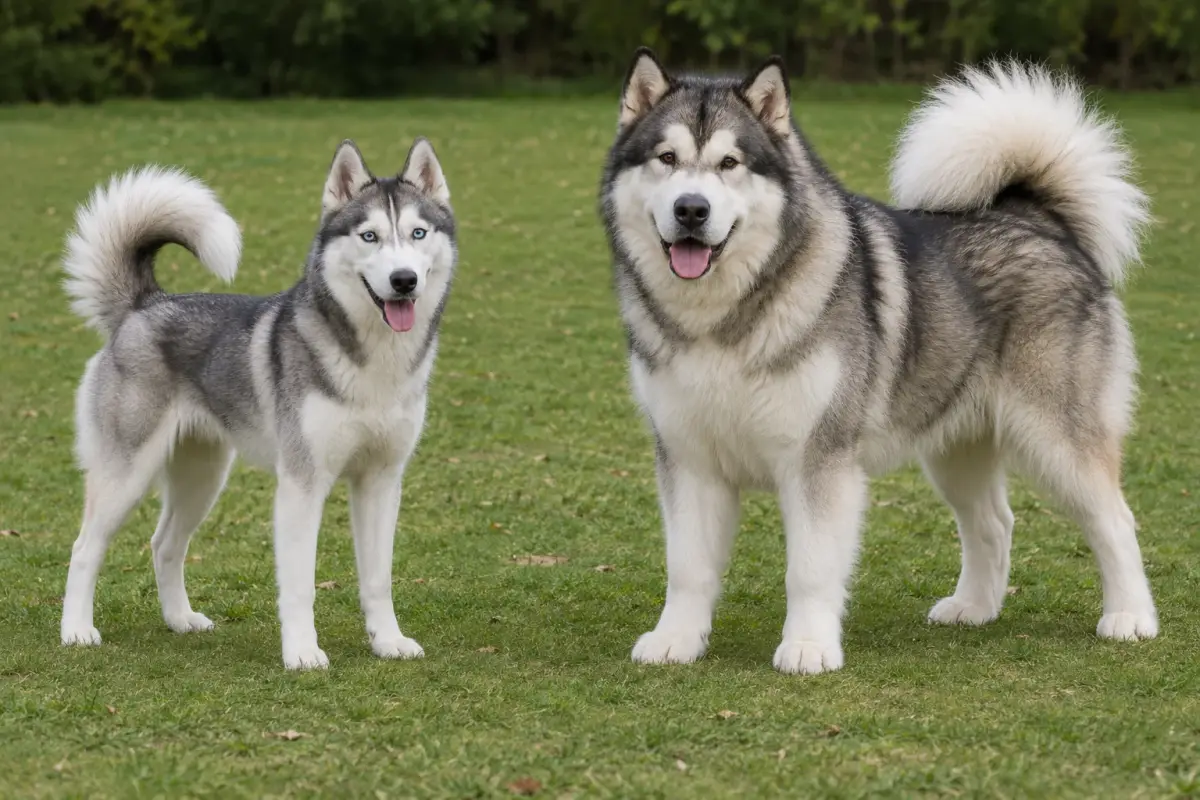
The Siberian Husky and the Alaskan Malamute look alike but were built for different jobs. Huskies are medium-sized sprinters, about 35 to 60 pounds, bred to pull light loads fast; Malamutes are heavy freighters, about 75 to 85 pounds, bred for strength. Both shed heavily, which keeps deshedding tools busy, need a lot of exercise and secure fencing, and are independent thinkers. Huskies are lighter, faster and more vocal; Malamutes are bigger and stronger.
By Matt GarnettUpdated November 14, 20264 min read4 sources
Side by side
Size: VCA lists Siberian Huskies at 20 to 23.5 inches and 35 to 60 pounds, and Alaskan Malamutes at 23 to 25 inches and 75 to 85 pounds. Lifespan: Huskies about 12 to 14 years, Malamutes about 10 to 14. Eyes: Huskies may have brown, blue or one of each; Malamutes have brown eyes, and blue eyes are a fault in their breed standard.
Energy: VCA rates Huskies as very high energy and Malamutes as moderate to high. Grooming: both have dense double coats that shed moderately year-round and very heavily during seasonal blows. Training: both are intelligent but independent and strong-willed. Noise: VCA rates Huskies' barking level as high and Malamutes' as moderate. Best for: Huskies suit runners and very active owners; Malamutes suit experienced owners who want a big, strong hiking and pulling companion.
Different jobs, different builds
The AKC describes the Siberian Husky as a compact sled dog developed to work in packs, pulling light loads at moderate speeds over vast frozen distances, with great endurance. That job explains the lighter frame, the quick, effortless gait and the sociable pack mentality.
The Alaskan Malamute is described by the AKC as an immensely strong, heavy-duty worker of spitz type, bred to haul heavy freight. Everything about it is bigger: heavier bone, a broader head, a larger muzzle and a plumed tail carried over the back. Where a Husky runs, a Malamute pulls. That difference carries into the way they like to exercise.
Temperament and behavior
Both breeds are friendly, people-oriented and rarely make good guard dogs, because they tend to welcome strangers. VCA describes both as generally good with children, though a Malamute's size means young kids need supervision. Both tolerate being left alone poorly and get bored easily, and boredom leads to digging, chewing, howling and escape attempts.
Both have a strong prey drive and may chase cats, rabbits, chickens and other small animals, so introductions need care and some individuals are never safe with small pets. Huskies are famous for talking, howling and "singing," and VCA rates their barking level as high. Malamutes tend to be a little quieter but still howl and woo. Malamutes can be more dominant with other dogs, particularly of the same sex, so early socialization matters.
Exercise and containment
Huskies need intense daily exercise, such as running, hiking, biking alongside a bike attachment, skijoring or canicross in a well-fitted husky harness, plus mental challenges. VCA warns that unmet needs quickly lead to behavior problems. Malamutes need significant daily exercise too, with long walks, hiking with a pack and pulling sports suiting their strength better than speed work.
Both breeds are notorious escape artists. Plan on a tall, secure fence with no gaps underneath, because they jump, climb and dig, and never trust either breed off leash in an unfenced area: their urge to run usually beats their recall. Both are built for cold and struggle in heat, so exercise in the cool hours and provide shade, water and a dog cooling mat in summer.
Grooming and shedding
Both breeds have a dense double coat and shed year-round, with one or two heavy "coat blows" a year when the undercoat comes out in clumps. Brush several times a week normally and daily during a blow, with an undercoat rake and a slicker brush. Baths are only needed occasionally, since both breeds are naturally clean and have little dog odor.
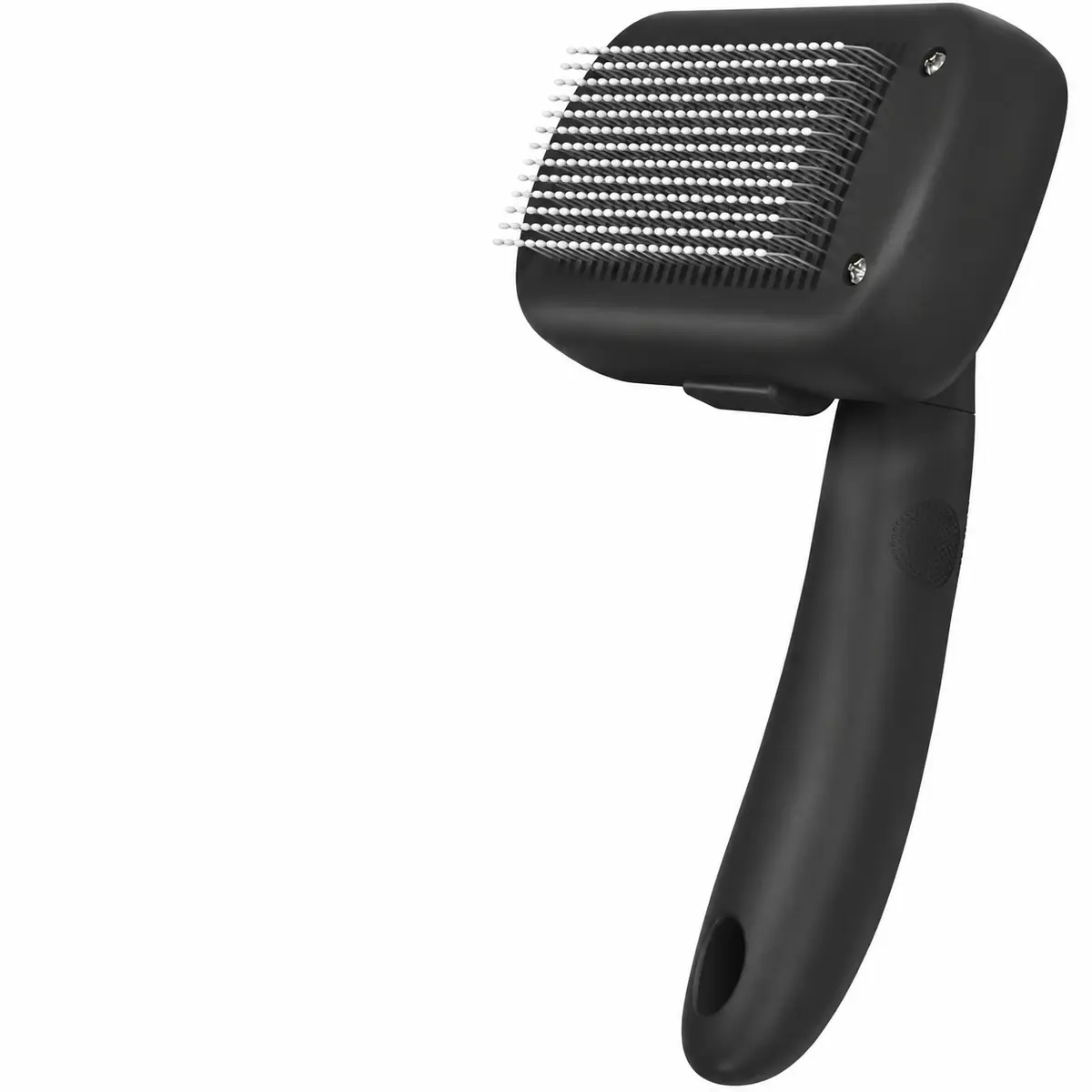
Never shave a Husky or Malamute: the double coat insulates against heat as well as cold and protects the skin from sunburn. A Malamute's larger body means more hair overall, so the right deshedding tool saves real time. Our guide to the best brush for huskies covers tools that work for both breeds.
Health and which to choose
VCA lists hip dysplasia, eye diseases including progressive retinal atrophy and cataracts, hypothyroidism, zinc-responsive skin disease and certain neurological conditions among Husky concerns. For Malamutes it lists hip and elbow dysplasia, a form of skeletal dwarfism, polyneuropathy, bloat, zinc-responsive dermatosis, PRA, hypothyroidism and cataracts. Ask breeders for hip and eye screening on both parents, and ask your vet what to watch for.
Choose a Husky if you want a lighter, faster, very energetic companion for running and long outings, and you can live with a vocal dog. Choose a Malamute if you have experience with large, strong-willed dogs, want a powerful hiking or pulling partner, and have space for a big dog. Neither suits a first-time owner who wants an obedient, low-energy pet.
This page is general information, not veterinary advice, and it cannot replace an examination by the vet who knows your pet.
Common questions
Which is bigger, a Husky or a Malamute?
The Malamute is much bigger. VCA lists Malamutes at 75 to 85 pounds and 23 to 25 inches, against 35 to 60 pounds and 20 to 23.5 inches for Siberian Huskies.
Can Malamutes have blue eyes like Huskies?
Huskies can have brown, blue or mixed eyes. Malamutes have brown eyes, and blue eyes are a disqualifying fault in the breed standard, so a blue-eyed dog sold as a Malamute may be a mix.
Which is easier to train, a Husky or a Malamute?
Neither is easy. Both are intelligent but independent and strong-willed. Short, positive, consistent sessions work best, and both need training that makes cooperation worth their while.
Are Huskies or Malamutes better with kids?
Both are generally good with children and friendly with people. A Malamute's size and strength mean young children need close supervision, and both breeds can knock kids over in play.
Sources we checked
This guide is general information, not veterinary advice. If your pet is unwell or injured, contact your veterinarian.