Training & behavior
How to Train a Dog at Home
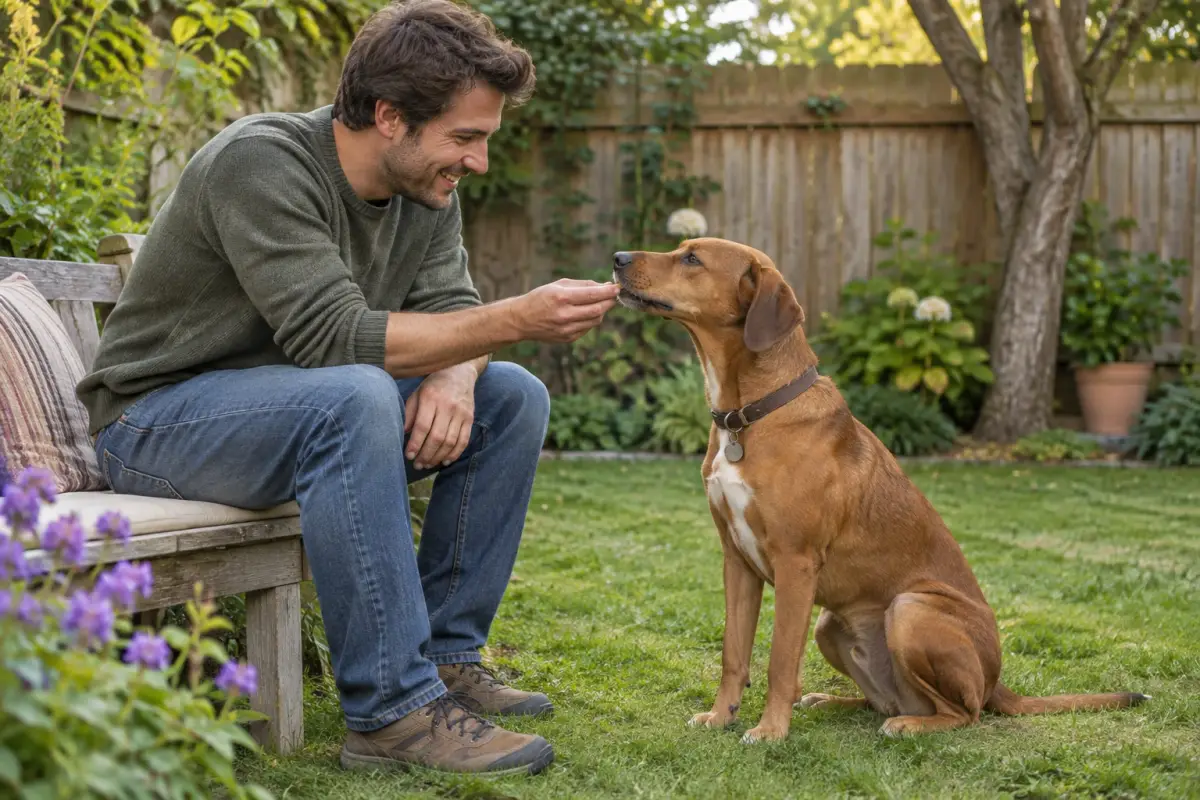
To train a dog, reward the behavior you want the moment it happens, and make the behavior you do not want either impossible or unrewarding. Use small, tasty treats, a marker word such as 'yes', and short sessions of a few minutes. Start in a quiet room, then add distance, duration and distractions one at a time. This works for puppies and adult dogs, and you can do almost all of it at home with a few basic dog training supplies.
By Matt GarnettUpdated November 13, 20263 min read2 sources
How dogs learn
Dogs repeat what pays off for them. If sitting earns a treat, your dog sits more. If jumping on you earns attention, it jumps more. Training is mostly about controlling those payoffs: rewarding what you like, and managing the environment so unwanted behaviors do not get rewarded.
Reward-based training is effective, humane and builds trust. Punishment-based methods and aversive tools can suppress behavior in the moment but often create fear, stress and new problems. Teach your dog what to do instead of only telling it what not to do.
What you need to get started
Use small, soft treats your dog loves, cut to about the size of a pea so you can give many, and carry them in a training treat bag so they are always in reach. Keep higher-value rewards, such as chicken or cheese, for harder skills or distracting places. Some dogs work for toys or play just as happily. Our guide to dog treat pouches explains what to look for in a pouch you will wear on every walk.
Choose a marker word, such as 'yes', or a training clicker. Say it the instant your dog does the right thing, then give the treat. Practice this pairing a few times first. Good timing, within a second or two, is what lets your dog understand exactly which action earned the reward.
The first skills to teach
Start with your dog's name (look at me when I say it), sit, down, come, stay, leave it and walking on a loose leash. Teach a new skill by luring with a treat or by capturing it, waiting for your dog to do it naturally and marking it. Add the cue word once the behavior is happening reliably.
For puppies, add potty training, crate comfort, gentle handling of paws and ears, and calm alone time. Socialization matters hugely in the first months: positive, gentle experiences with different people, sounds, surfaces and calm vaccinated dogs.
How to run a training session
Keep sessions short, often three to five minutes, a few times a day, and end while your dog is still keen. Train before meals when your dog is a little hungry, and in a quiet place at first. Mix easy wins with new challenges so your dog stays confident.
Increase difficulty one step at a time, changing only distance, duration or distraction, not all three at once. If your dog struggles, make it easier and build again. Consistency matters: everyone in the house should use the same cues and rules.
Managing problems while you train
Prevent rehearsal of habits you do not want. Use gates, a crate or a puppy playpen, and a leash indoors, to stop chewing, jumping or counter surfing while you teach alternatives. Give plenty of chew toys and exercise, because a bored dog invents its own entertainment.
Reward calm behavior you might otherwise ignore, such as lying quietly. Watch your dog's body language too: a dog that yawns, looks away or stops taking treats may be stressed or overwhelmed, so take a break.
When to get help
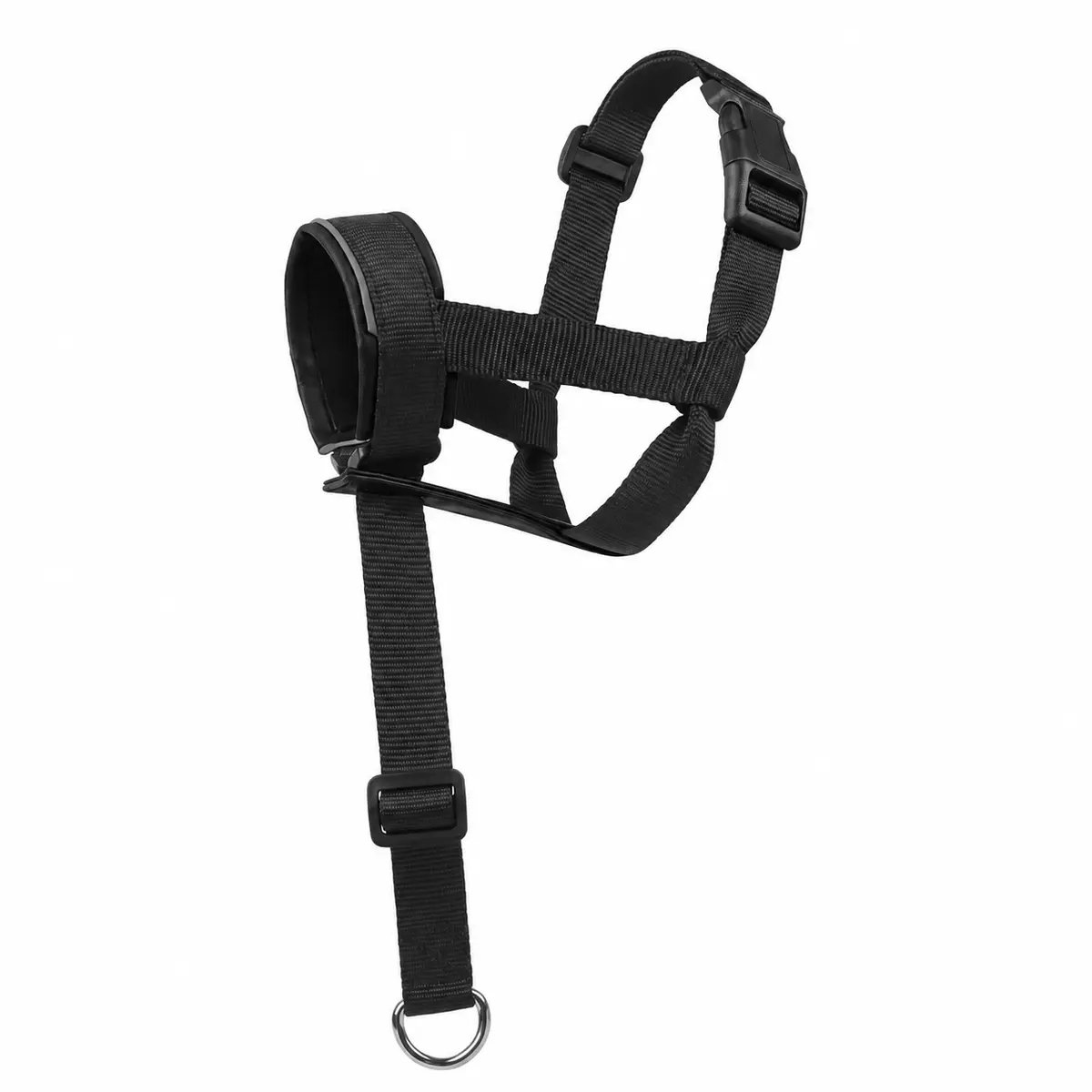
A positive-reinforcement trainer or a group class can speed up progress and help with tricky issues like pulling, recall, barking or fearfulness. Look for trainers who explain their methods and use rewards, not force, and bring the same training tools you use at home.
If a behavior appears suddenly, such as new aggression, accidents or reluctance to move, see your vet first, because pain or illness can change behavior.
This page is general information, not veterinary advice, and it cannot replace an examination by the vet who knows your pet.
Common questions
What is the first thing to teach a puppy?
Start with its name, a marker word, potty training and sit. These build the foundation for everything else and give you easy early wins to reward.
How long does it take to train a dog?
Basic cues can be learned in days or weeks, but reliability in real life takes months of practice. Training continues through a dog's life, just in shorter, easier sessions.
Can I train my dog myself at home?
Yes. Most everyday skills can be taught at home with rewards, patience and short sessions. A class or trainer helps with specific problems and with practicing around distractions.
Is it too late to train an older dog?
No. Adult and senior dogs learn well with reward-based training. Adjust for any physical limits, keep sessions short, and check with your vet if your dog seems stiff or sore.
Sources we checked
This guide is general information, not veterinary advice. If your pet is unwell or injured, contact your veterinarian.