Training & behavior
How to Teach a Dog to Heel on Leash
To teach a dog to heel, reward your dog with treats for staying at your side, mark the right spot the instant it happens, and add a cue only once your dog is reliably there. Start indoors on a loose leash, keep sessions short and upbeat, and build up to distractions. Heel is a precise position; ordinary loose-leash walking is the easier first goal.
By Matt GarnettUpdated November 14, 20265 min read3 sources
Heel versus loose-leash walking
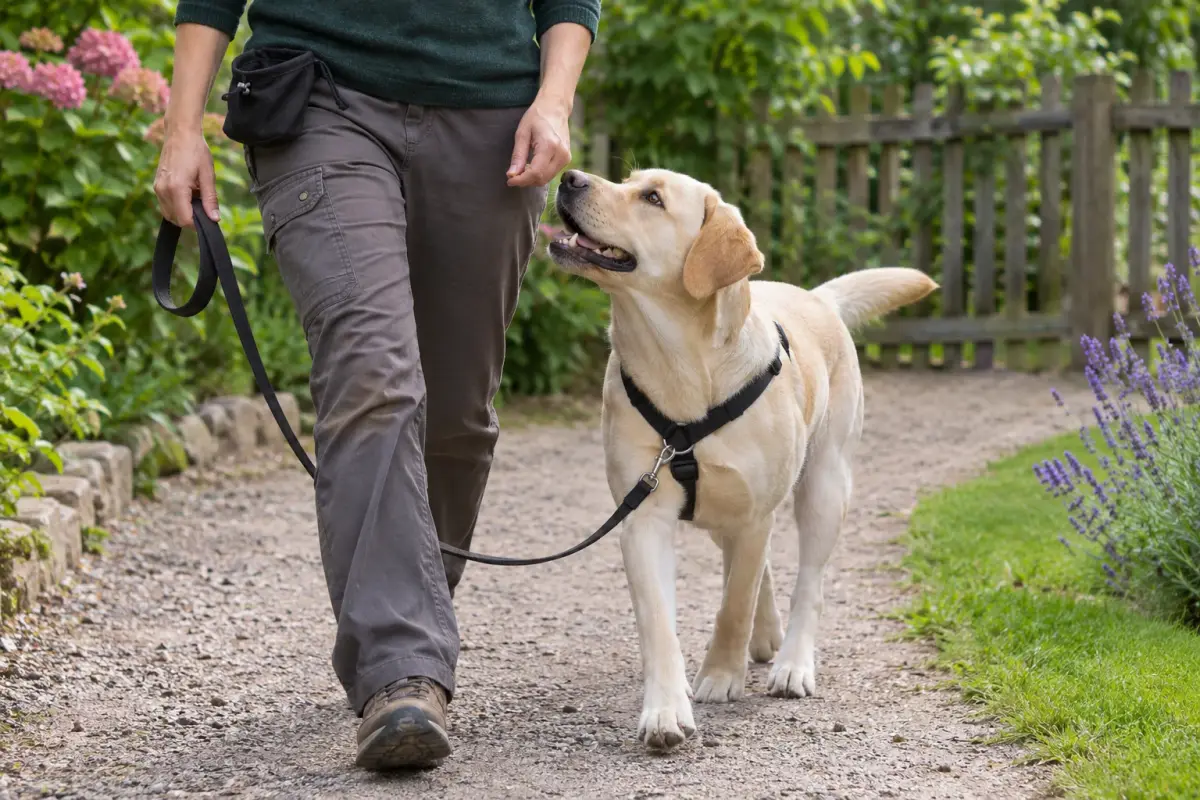
Many owners say 'heel' when they mean 'stop pulling.' They are related but not identical. The AKC describes loose-leash walking as a puppy or dog moving at or near your side without pulling, and distinguishes it from formal heeling, an advanced skill used in sports like Obedience and Rally, where the dog holds a precise spot beside you.
For a pet dog on neighborhood walks, a loose leash is the realistic goal, and a few steps of true heel can be added for crossing a busy street or passing another dog. Decide which you want before you start, because the training steps are the same but the standard you reward is stricter for a true heel. If pulling is your main trouble, our guide on how to stop a dog pulling on the leash goes deeper.
What you need before you begin
Gather a lightweight 6-foot leash, a pouch or pocket of small, tasty treats, and a collar or harness that fits well. The AKC suggests a harness is generally kinder for puppies because it puts no pressure on the neck, and a front-clip harness can make it easier to redirect a dog that pulls. It also advises avoiding retractable leashes for this kind of training, since they teach a dog that pulling extends the line.
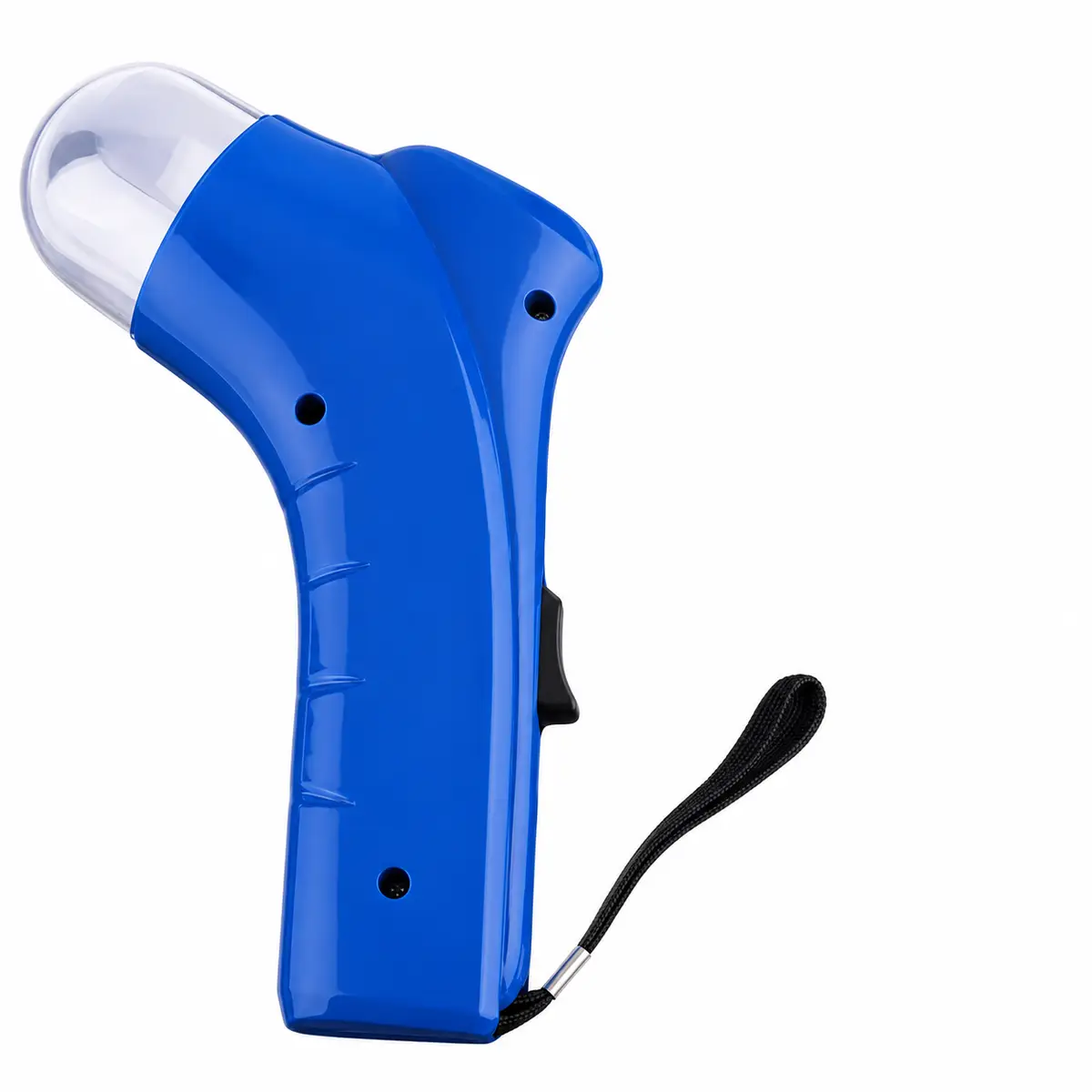
A clicker is optional but handy for marking the exact moment your dog gets it right; a training clicker does the job of a marker word like 'yes.' You can browse dog training tools for clickers and treat-delivery gear, and our pages on dog leashes and dog harnesses cover the walking gear. A 6-foot nylon walking leash is one example of that length.
Step 1: teach your dog that your side pays
Start somewhere quiet, such as a hallway or a fenced yard. Step 1 is to introduce a marker: click or say 'yes,' then give a treat right away, and repeat until your dog looks to you when it hears the marker. The AKC advises marking the behavior at the moment it happens and only using the marker when you can actually deliver a treat.
Next, hold the leash loosely and mark and treat whenever your dog looks at you or steps into the spot beside your leg. Pick a side, usually the left, and deliver the treat there, at your side, so the position itself becomes the rewarding place to be. Keep the first sessions to a few minutes; a short, happy session is better than a long, frustrated one.
Step 2: add movement, then the cue
Once your dog reliably steps into place, take one step and reward, then two, then a few. The AKC suggests pairing movement with a cue such as 'let's go' or 'with me' and rewarding every few steps while you are practicing. Early on, expect the pattern of one step, treat, one step, treat, and that is perfectly normal.
Add a word for the position, 'heel,' only after your dog is in the right spot nearly every time. Saying the word before the behavior exists just attaches it to wandering. Before turns, say your dog's name to get attention, then say 'left' or 'right' as you turn and reward your dog for staying with you.
Step 3: take it outside and add distractions
Dogs often forget everything outdoors, so go back a few steps. Bring higher-value treats, cue attention before you reach something exciting, and reward generously for staying near you on a loose leash. The AKC suggests redirecting early, before a distraction arrives, with a 'sit' or a 'watch me.'
If the leash goes tight, stop. The AKC says never keep walking while your dog pulls; plant your feet, wait for the leash to hang in a J shape and for your dog to turn back to you, then reward at your side and move on. Give real-life rewards too, such as a sniff or a greeting after a stretch of good walking, and fade treats gradually.
About head halters and other tools
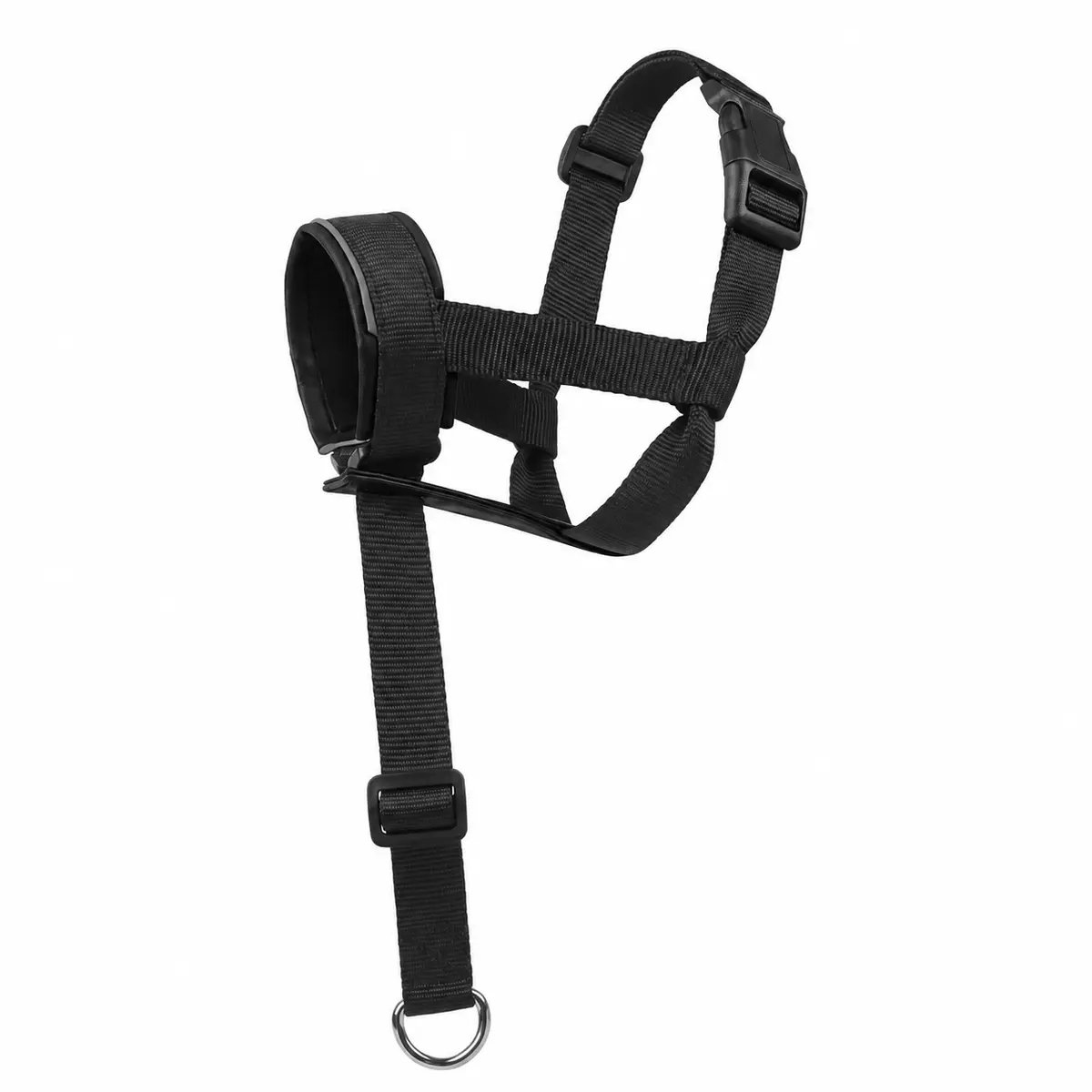
Some owners reach for a head halter when a strong dog pulls. VCA Animal Hospitals says a halter tightens around the muzzle with gentle leash pressure, which can help a small or physically limited handler, but it warns never to jerk the leash when a dog wears one and never to use a halter with a long line or retractable leash. If you choose one, an anti-pull head halter needs a slow introduction with treats so your dog accepts it.
No tool replaces teaching. VCA also points out that dogs do not need to experience any pain or discomfort to be well-mannered, and that a leash should never be snapped or jerked. Keep every correction out of it: reward the position you want and calmly stop when you do not get it.
When to ask a professional or a vet
If your dog lunges, is fearful on walks or seems to be in discomfort when the leash tightens, talk to your vet first, since pain can change how a dog walks. A certified trainer who uses reward-based methods can then watch you and your dog in person, which is far more precise than any article.
Build in sniffy walks too. The AKC recommends several relaxed walks a week where your dog can explore and choose a direction, so training sessions stay short and walks stay enjoyable.
This page is general information, not veterinary advice, and it cannot replace an examination by the vet who knows your pet.
Common questions
What does it mean to teach a dog to heel?
Heel means your dog walks close beside your leg, usually the left, and stays there on cue. The AKC treats this as a formal, advanced skill and describes loose-leash walking as the more practical everyday goal.
How long does it take to teach a dog to heel?
It varies with age, breed and distractions. Plan on many short sessions over weeks, starting indoors, and expect setbacks when you move outside. Consistency matters more than session length.
Should I use treats to teach heel?
Yes. Small, tasty treats delivered at your side reward the right position. The AKC advises marking the instant your dog gets it right, and fading treats gradually while adding real-life rewards like sniffing.
Which side should my dog heel on?
Traditionally the left, but any side works for a pet dog. Choose one and be consistent so your dog learns where the rewarding spot is, and deliver treats at that side.
Can I teach an older dog to heel?
Yes, the steps are the same at any age. If an older dog pulls, hesitates or seems sore on walks, check with your vet first, because discomfort can change how a dog walks.
Sources we checked
This guide is general information, not veterinary advice. If your pet is unwell or injured, contact your veterinarian.