Buying guides
Best Anti-Barking Device: What Actually Works and What Doesn't
The best anti-barking device is the one that fits a plan, because no device works for every dog or fixes why a dog barks. The ASPCA says noise-based collars are ineffective with most dogs. If you want to try an ultrasonic unit, treat it as a short-term interrupter beside reward-based training. Browse our ultrasonic bark deterrents with that in mind.
By Matt GarnettUpdated November 14, 20263 min read2 sources
Why a device alone rarely solves barking
The ASPCA explains that each type of barking serves a different function: territorial, alarm, attention-seeking, greeting, compulsive, social, or frustration barking. It can also come from pain, illness or separation anxiety. A device that makes a noise does not tell a dog what to do instead, and it does nothing about the cause.
The ASPCA notes that anti-bark collars using noise or ultrasonic sound are ineffective with most dogs, that dogs can become collar-wise and stop only while wearing the device, and that such products are not recommended as a first choice. The goal, according to the ASPCA, is to decrease barking rather than eliminate it, since barking is normal communication.
What to try first
Start by working out when and why your dog barks, and have your vet rule out pain or illness. The AKC suggests exercise before you leave, closing blinds so the dog cannot see triggers such as squirrels, leaving a radio or TV on, and using puzzle toys that hide treats to keep the dog busy.
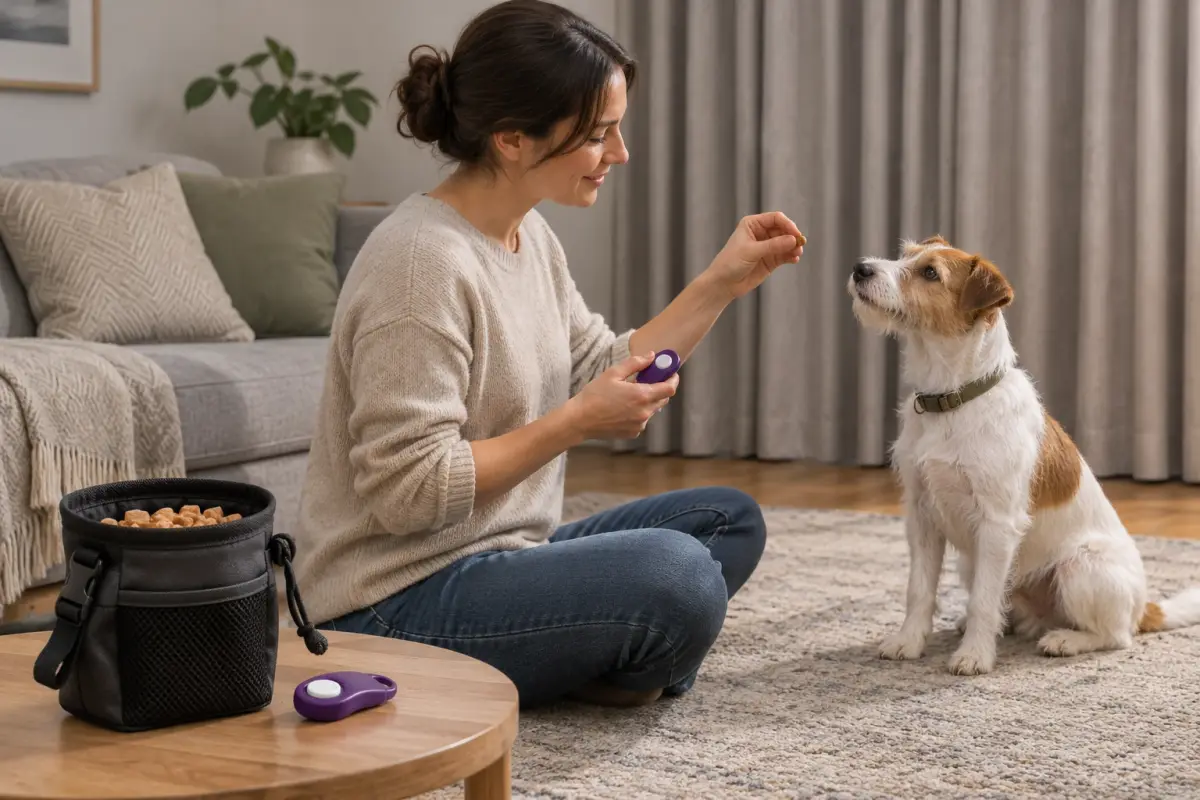
Then teach a calm Quiet cue and reward silence, and wait for quiet before giving your dog what it wants. Our guide on how to get a dog to stop barking covers each type of barking step by step. Treat pouches and clickers make rewarding quiet easier: see our dog treat pouches and training clickers.
Ultrasonic device types compared
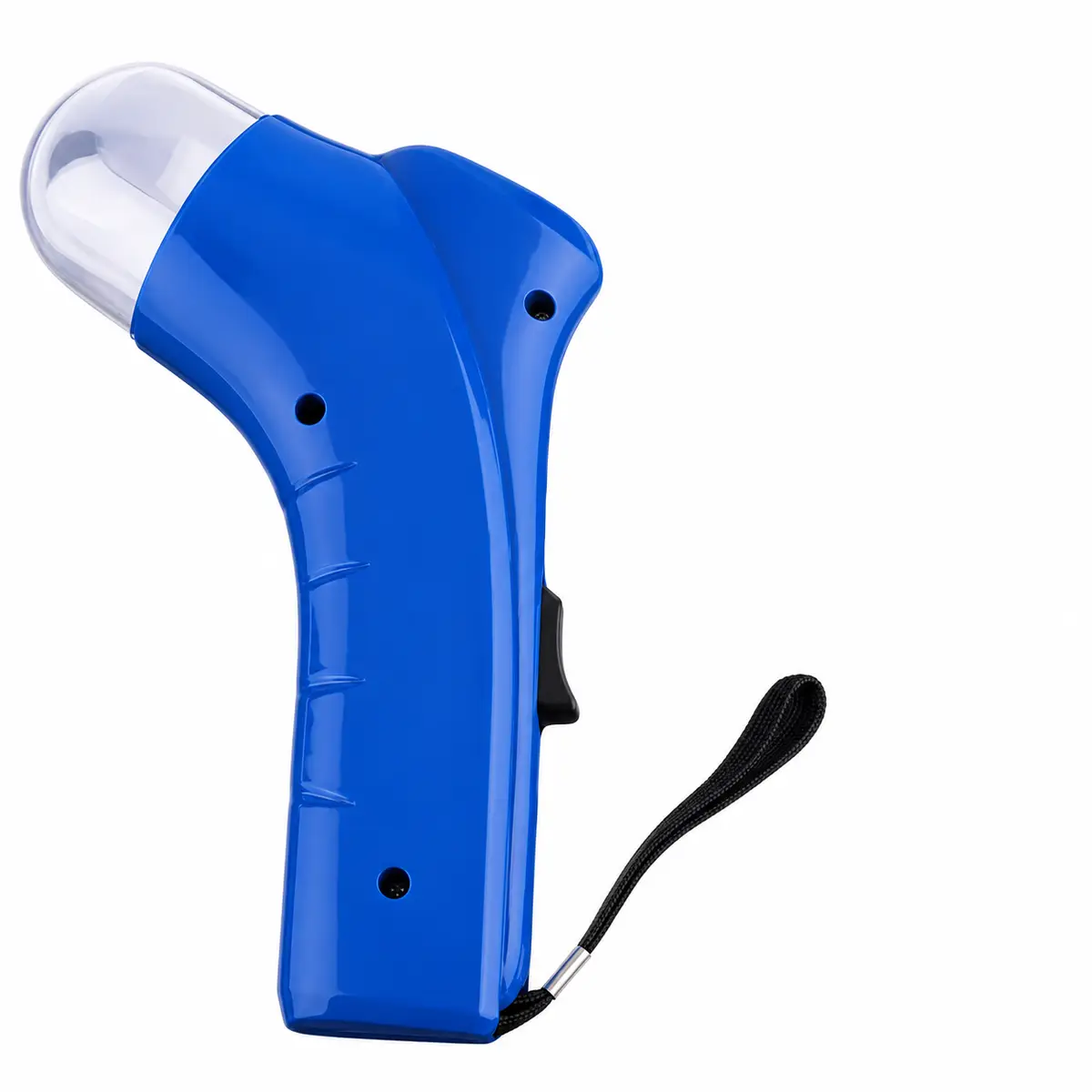
Ultrasonic units fall into two main types. Handheld units, such as an ultrasonic handheld bark control device, let you interrupt a bark yourself at the moment it happens, and then reward the quiet that follows. Stationary boxes, such as a rechargeable ultrasonic bark control box, work without you, which suits barking at a fence line or window but gives no chance to reward quiet.
Neither type teaches an alternative behavior. Hearing, age, temperament and the reason for barking all affect how a dog responds, and many dogs simply ignore the sound or get used to it. Look for a rechargeable unit with adjustable settings, and stop using it if your dog seems frightened.
Which dog might this suit, and who should skip it
A device may be worth a short trial for a healthy adult dog that barks at a specific outdoor trigger, used alongside training. It is a poor fit for fearful or anxious dogs, since the ASPCA advises against punishment when a dog barks out of fear or anxiety because it may make the dog feel worse. Skip it for puppies, senior dogs with hearing problems, and dogs that bark when left alone.
Separation anxiety needs a different approach, as the AKC notes, and compulsive barking calls for a professional. Contact your vet or a certified behaviorist or qualified trainer if home methods fail.
What to avoid and how to decide
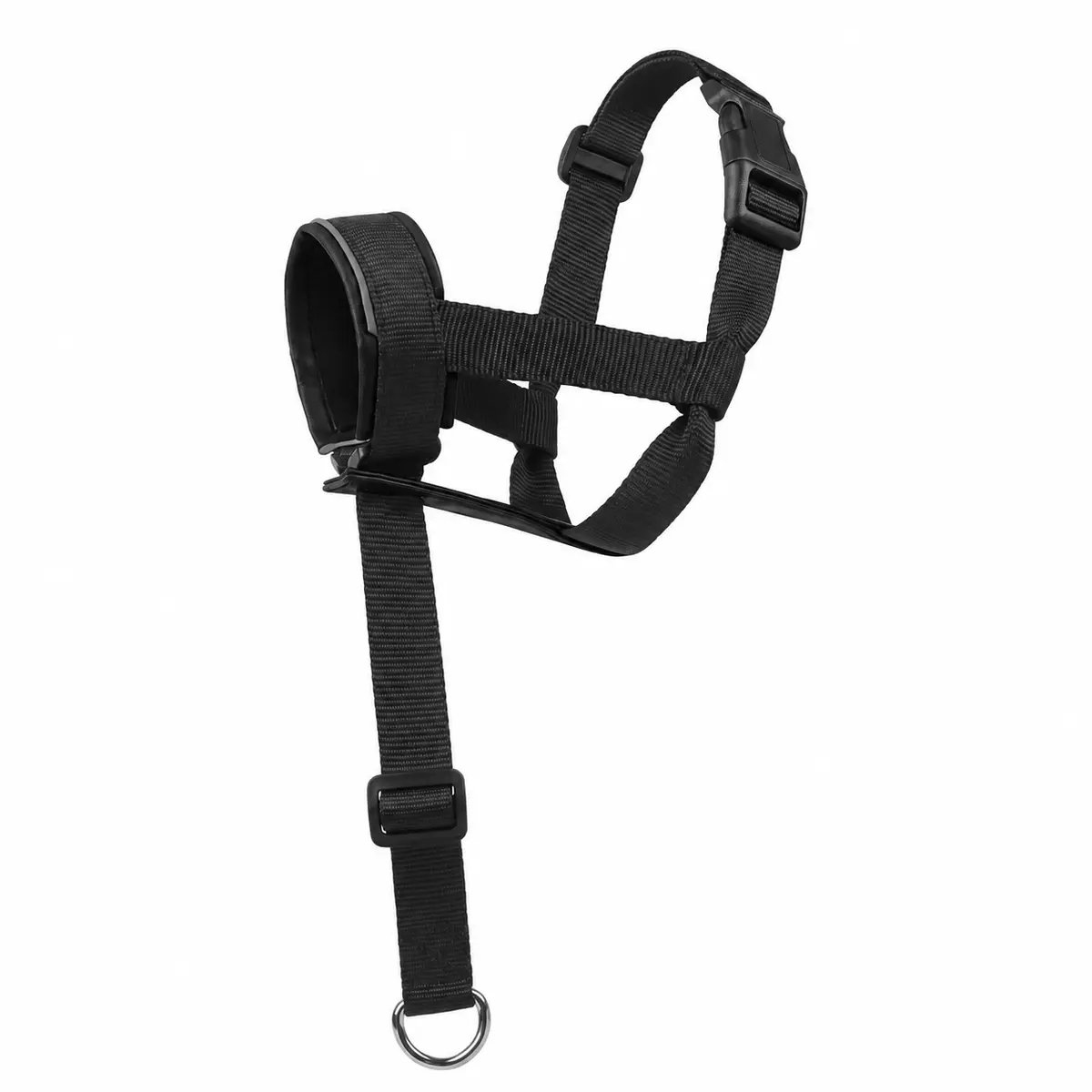
Avoid devices that deliver shocks or sprays, avoid using a muzzle to silence a dog for long periods, and avoid leaving any device running all day. Yelling and inconsistent discipline fail to address long-term behavior, according to the AKC.
Decide by asking what your dog is barking at, and whether you can remove the trigger or teach a better habit. If you still want to try a unit, browse our ultrasonic bark deterrents and keep your vet in the loop if the barking is new or sudden.
This page is general information, not veterinary advice, and it cannot replace an examination by the vet who knows your pet.
Common questions
Do ultrasonic anti-barking devices work?
Results are mixed. The ASPCA says noise-based devices are ineffective with most dogs, and many dogs ignore them. They may help some dogs briefly, but they do not address why the dog is barking.
Are anti-barking devices safe for dogs?
Ultrasonic units do not shock, but an unpleasant sound can frighten anxious dogs. Stop using one if your dog seems scared, and talk to your vet or a trainer about the underlying cause.
What is the best way to stop a dog from barking?
Find the cause, then teach a Quiet cue, reward silence, and give more exercise and mental work. The ASPCA and AKC both favor training over punishment devices.
Can I use an anti-barking device on a puppy?
It is better to avoid it. Puppies are still learning, and the ASPCA does not recommend such devices as a first choice. Teach alternatives and consult your vet or a trainer.
Sources we checked
This guide is general information, not veterinary advice. If your pet is unwell or injured, contact your veterinarian.