






Care & how-to
How to Tell If a Chick Is Male or Female
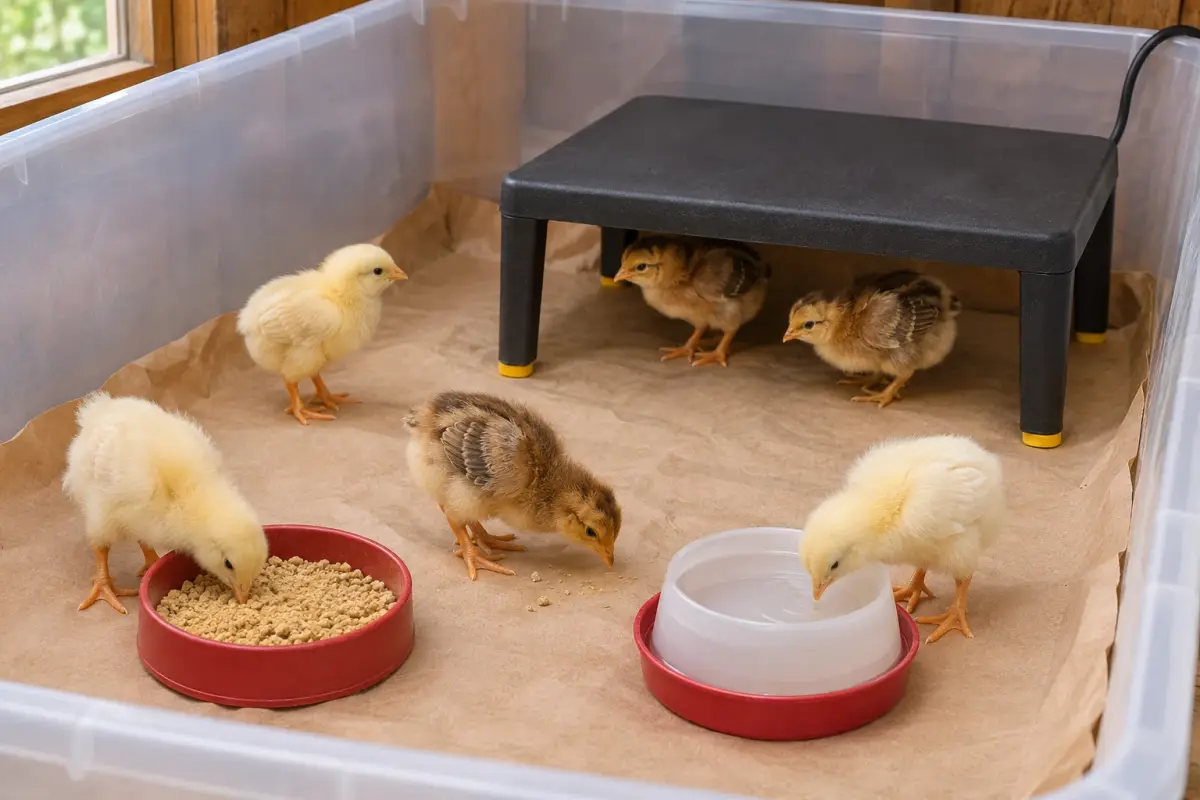
You often cannot reliably tell whether an ordinary newly hatched chick is male or female just by looking. Some specific crosses have useful color or feather clues, but those rules do not apply to every bird. Check the chick’s known parentage or hatchery information and observe development over time. Leave invasive examination methods to trained professionals rather than trying them at home.
By Matt GarnettUpdated November 11, 20264 min read4 sources
Start with the information that came with the chick
Find the hatchery or breeder record, hatch date, breed or cross, and any sexing information provided at purchase. Straight-run chicks have not been sorted by sex. A record saying a chick was sexed describes the selection offered; it should still be considered alongside later development if the bird appears different from what you expected.
Keep those details with photographs as the chick grows. If a group includes several similar birds, establish a practical way to identify individuals without unsafe handling or improvised tight bands. Clear records make a later question to the hatchery or a poultry professional more useful than a photograph with no age or background.
Use color clues only for the correct cross
University poultry guidance explains that particular parental combinations can produce male and female chicks with different colors. The direction of the cross matters: swapping which breed is the mother and which is the father may remove the useful distinction. A chick’s color therefore needs context rather than a universal color chart.
Ask whether the bird belongs to a documented sex-linked cross before applying an example found online. Do not assume two chicks of different shades must be different sexes. Record what is known about the parents and leave uncertain details marked as uncertain, especially when birds came from a mixed flock.
Do not apply wing-feather rules to every chick
Cooperative Extension describes feather-growth differences used in specific breeding combinations. That is different from a rule that every female chick has one wing pattern and every male another. Knowing the cross and the relevant age is part of interpreting the observation.
A photo comparison without that background can give misplaced confidence. Avoid repeated restraint just to keep checking a wing against an online picture. If the identification matters for an immediate decision, ask a knowledgeable poultry professional whether the method applies to these birds and whether the available information is sufficient.
Leave vent examination to trained professionals
The extension chick-sexing guide emphasizes that vent sexing requires training and considerable practice. It is not a simple home inspection to reproduce from a short description. Do not squeeze, invert, or manipulate a young chick’s vent in an attempt to obtain a quick answer.
Keep handling calm and brief for ordinary care. University poultry transport guidance stresses supporting and controlling the body appropriately, rather than lifting birds by the head, neck, wing, or tail. If a chick appears injured or distressed after handling, contact a poultry veterinarian and explain what happened rather than repeating the procedure.
Compare several changes as the birds mature
Comb and wattle development, feather shape, body development, and attempts to crow can become more useful as chickens grow. Breed differences and exceptions mean a single feature may still be misleading. Look at the pattern over time rather than deciding from one unusually large comb or one moment of assertive behavior.
Take occasional dated photographs in a normal posture and compare similar-aged birds where possible. Ask for help when characteristics remain unclear, including with difficult-to-assess breeds. Waiting for clearer development can be more reasonable than repeatedly changing the label after each new photograph or sound.
Make a care plan while identification remains uncertain
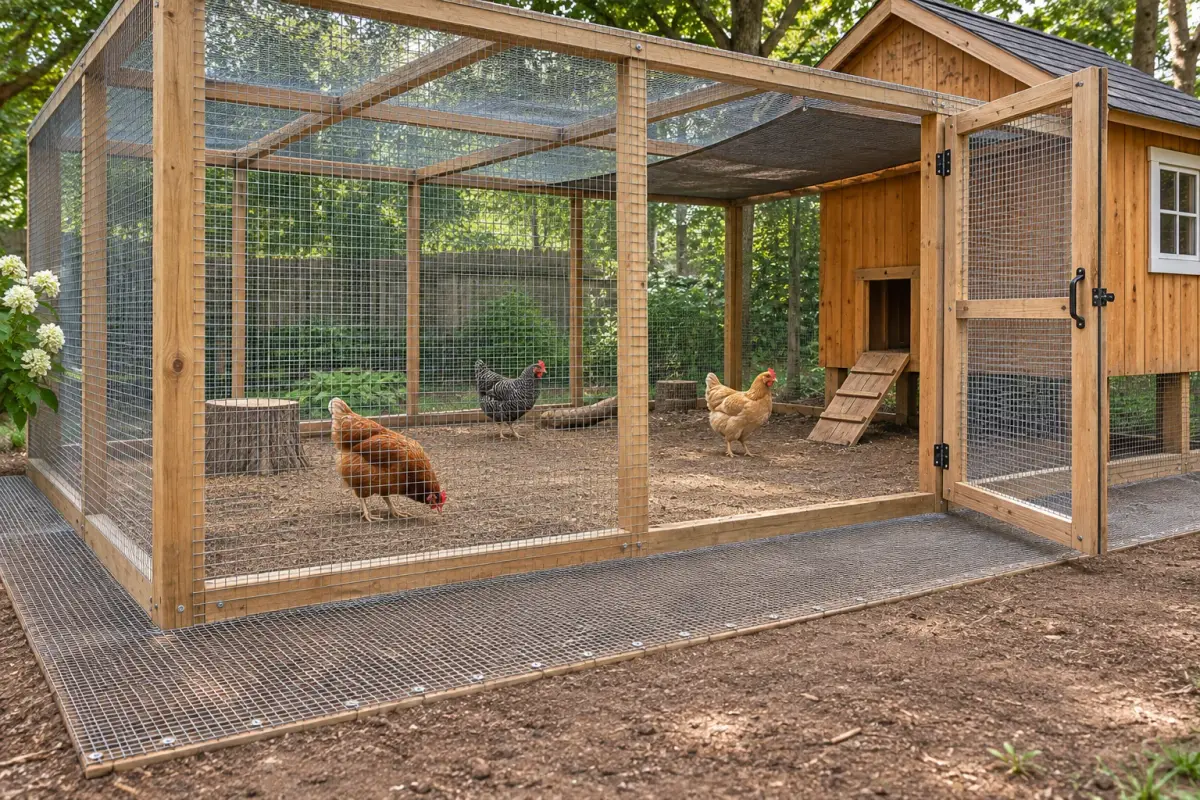
Continue appropriate feeding, water, brooding or housing, and observation regardless of the expected sex. Plan ahead if a possible rooster would affect the household’s arrangements. Verify current local requirements for the address rather than relying on a general statement about what is allowed in a town or state.
When assessing future housing, compare the Chicken Coops and Chicken Runs collections against the actual flock and available space. Seek advice early about a practical arrangement. Uncertainty about sex does not justify hurried handling, neglecting care, or waiting until birds are injuring one another to reconsider the plan.
This page is general information, not veterinary advice, and it cannot replace advice from a veterinarian who treats poultry.
Common questions
How can I tell if a chick is male or female?
Start with its recorded breed, cross, age, and hatchery information. Some specific crosses have useful color or feather traits, but many ordinary chicks need time to develop clearer characteristics.
Does wing feather sexing work on every chick?
No. The useful differences depend on particular breeding combinations and the chick’s age. A generic photograph does not establish that the same method applies to an unidentified chick from a mixed flock.
Should I try vent sexing at home?
Leave that method to trained professionals. Cooperative Extension emphasizes the training and practice it requires. Avoid squeezing or manipulating a young chick to force an answer from an online description.
Does egg shape tell me whether the chick will be male?
No. Cooperative Extension rejects egg shape as a sex prediction method. Keep reliable breeding or hatchery records and observe development instead of treating a long or round egg as evidence.
Sources we checked
This guide is general information, not veterinary advice. If your pet is unwell or injured, contact your veterinarian.


