






Care & how-to
How Smart Are Chickens? Learning, Recognition, and Daily Care
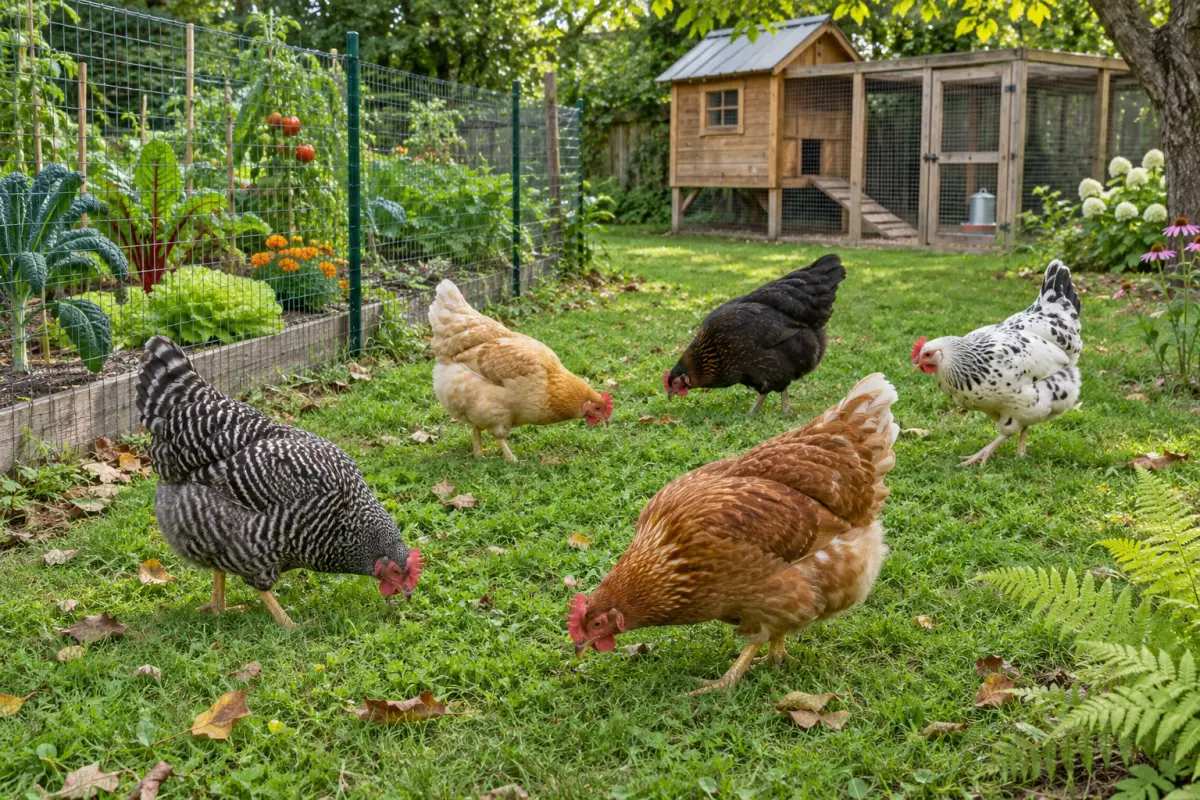
Chickens can learn and recognize other flock members; their behavior is more complex than a simple automatic response to food. University poultry guidance describes both learned behaviors and individual recognition. It does not give a meaningful human IQ score for a backyard hen. The useful question for care is how the bird perceives its surroundings and whether it can perform normal behaviors safely.
By Matt GarnettUpdated November 11, 20264 min read4 sources
Learning and instinct both shape behavior
Cooperative Extension’s normal-behavior guide distinguishes actions chicks perform instinctively from behaviors they learn. A chicken scratching or preening is not demonstrating the same process as a bird becoming familiar with a repeated event. Looking at the context helps avoid labeling every response as either cleverness or a complete lack of thought.
For a keeper, that means a predictable routine can be useful without making exaggerated claims about understanding. Observe what the birds do at normal care times. Do not deprive them of food, water, warmth, or company to stage a test of how quickly they can solve a problem.
Recognition matters inside a flock
The extension behavior guide describes individual recognition as part of the social order in a small flock. Birds respond differently to familiar flock members and newcomers. This is one reason adding a chicken changes more than the number of birds sharing the enclosure; the existing social relationships are involved too.
Recognition is not a promise that every introduction will be friendly. Plan additions carefully and watch for persistent chasing or exclusion from resources. Do not assume an established hen is being spiteful in a human sense, or that recognizing another bird makes injury impossible when the social group changes.
See the environment from a chicken’s position
The poultry eyesight guide explains that chickens have eyes on the sides of the head and a broad field of view. They often move the head rather than moving the eyes extensively within their sockets. A head movement that looks odd to a person may therefore be part of looking at an object.
Check the environment at bird height before calling a response irrational. A newly placed object or an approach from a different direction changes what the bird can see. Keep handling calm and give birds room to move, instead of chasing them to prove they should not be afraid.
Sound provides information too
Cooperative Extension describes auditory communication between hens and chicks, including sounds associated with identifying food. Hearing is therefore part of how a bird responds to the group and the environment. Visible objects are not the only information available to a chicken watching an apparently ordinary feeding area.
When a flock reacts suddenly, consider what changed around it: a new noise, different equipment, a visitor, or activity out of your direct line of sight. Record the circumstances rather than assigning a personality label from one episode. Do not repeatedly frighten birds to demonstrate that they notice a sound.
Provide normal activities rather than constant tests
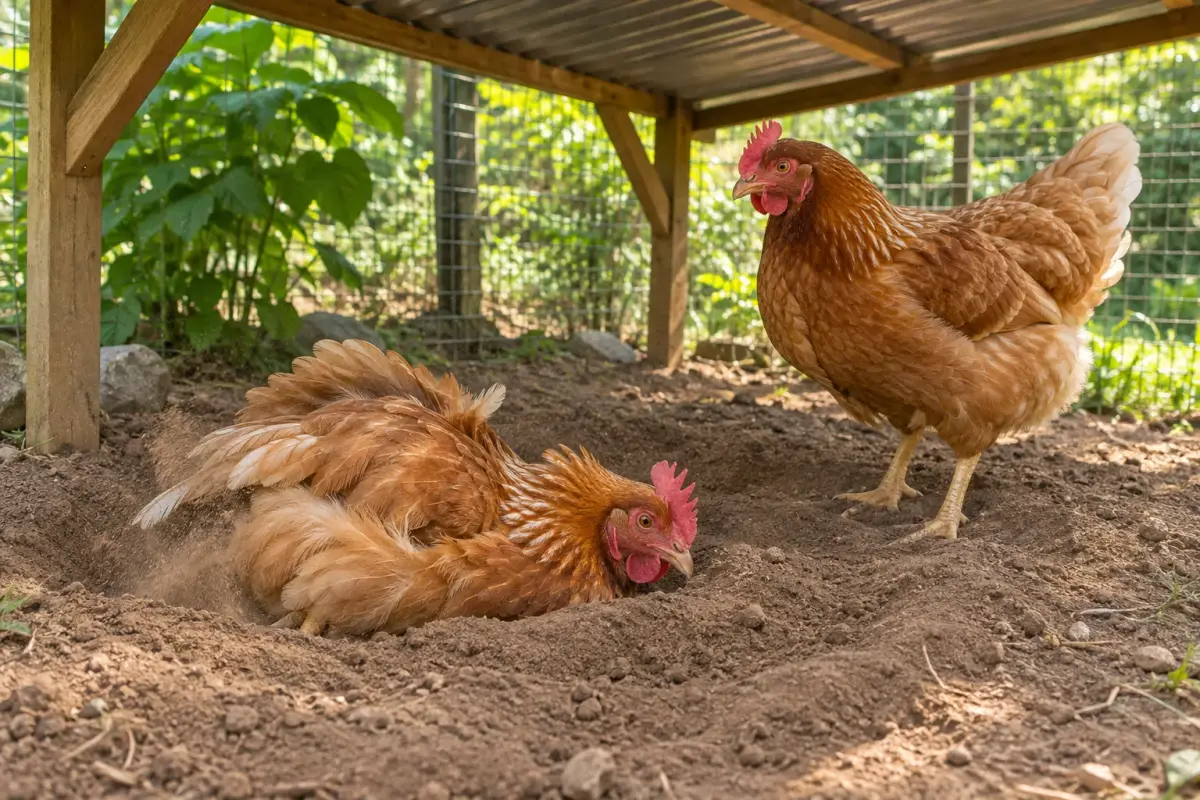
The extension behavior guide describes foraging, preening, and other ordinary chicken activities. A suitable enclosure should allow birds to move, rest, and carry out their normal routine. A hen that is busy scratching is doing something meaningful for a chicken, even when it is not performing a task designed by a person.
Keep any interaction optional and consistent with the flock’s needs. Suitable feed and clean water remain available, and birds can withdraw from handling. If you want help improving the environment, ask a poultry extension specialist about the actual space, group size, and activities available instead of looking for a universal intelligence ranking.
Do not mistake a behavior change for a personality trait
A bird becoming unusually quiet, stopping normal foraging, eating less, or remaining apart from the flock may need veterinary attention. Cooperative Extension’s illness guidance emphasizes changes in normal behavior and feeding. Do not dismiss a sudden change as laziness, stubbornness, or a chicken simply being less intelligent than its flock mates.
Contact a poultry veterinarian promptly and describe when the change began, what the bird normally does, and any recent changes in housing or the flock. Severe breathing difficulty, collapse, sudden deaths, or several birds becoming sick requires immediate advice. Observations help an assessment; they do not diagnose the cause.
A manageable environment helps you observe normal flock behavior. When reviewing the Chicken Coops and Chicken Runs collections, consider access for calm daily care alongside places for the birds to rest and explore.
This page is general information, not veterinary advice, and it cannot replace advice from a veterinarian who treats poultry.
Common questions
How smart are chickens?
They can learn and recognize other flock members, and university poultry guidance describes a mixture of learned and instinctive behaviors. A human IQ score is not a useful substitute for understanding a chicken’s needs.
Do chickens recognize other chickens?
Individual recognition is part of the social order in small flocks. That does not guarantee friendly behavior during introductions, so new birds still need appropriate health separation, gradual integration, and supervision.
Why does my chicken move its head to look at something?
Chickens have a broad field of view and relatively limited eye movement within the sockets, according to the poultry eyesight guide. Head movement can help inspection; an abnormal change still warrants veterinary advice.
Should I worry if a usually active chicken becomes quiet?
Yes, a clear change from the bird’s normal routine deserves attention. Contact a poultry veterinarian for reduced eating, unusual isolation, or other illness signs rather than assuming the change reflects intelligence or personality.
Sources we checked
This guide is general information, not veterinary advice. If your pet is unwell or injured, contact your veterinarian.


