






Care & how-to
How Long Do Chickens Live? Lifespan and Egg-Laying Years
Backyard hens commonly live about 6 to 8 years, and some live longer, but most flocks get only 3 to 4 years of good egg production, according to University of Wisconsin Extension. Laying is strongest in the first two years and tapers each year after that. Here is what changes as hens age and how to plan your flock around it, from backyard chicken supplies to housing.
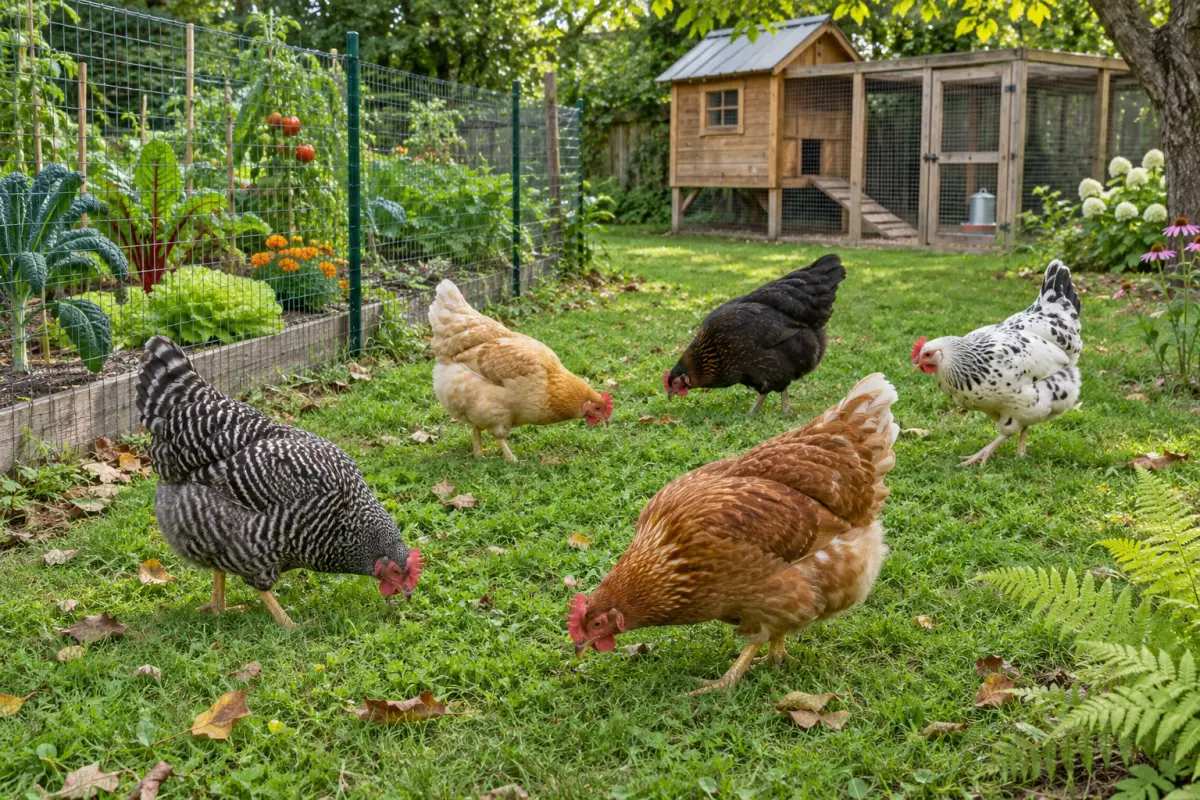
By Matt GarnettUpdated November 13, 20264 min read4 sources
How long chickens live
University of Wisconsin Extension says hens may live in backyard flocks for 6 to 8 years, and notes that some go beyond that. University of Minnesota Extension describes a similar picture on the laying side, saying hens can keep laying for 5 to 10 years, with peak production in the first two. Those figures describe a range, not a promise, and individual birds vary.
Lifespan on paper also depends on what happens day to day. A flock that is locked in a secure coop every night, kept clean and fed an appropriate ration has a better chance of reaching the upper end of the range than one that is not. For housing ideas that protect an older flock, see our guide to chicken coop ideas.
How long hens lay eggs
Hens start laying at roughly six months, per University of Minnesota Extension, and production peaks in the first two years. After that, University of Wisconsin Extension says the number of eggs, the egg size and the shell quality all decline each year. Most backyard flocks produce eggs for about 3 to 4 years, even though the hens live much longer.
Production also dips every year when hens molt, which is when they replace their feathers in early fall, and when the days get short. Hens need about 12 to 14 hours of light a day to keep laying, so an older hen laying less in winter is not necessarily sick. If you want more detail on what to expect, read about chickens not laying eggs.
Planning your flock around age
Because laying falls off while the birds keep living, decide early what you want from the flock. University of Wisconsin Extension suggests retiring older hens and adding pullets every 2 to 3 years to keep a small flock productive. Many backyard owners treat hens as pets and keep them long after they stop laying, which is a reasonable choice as long as your coop has room.
Check your local rules on flock size before you add birds. When you do bring new birds home, Merck Veterinary Manual advises keeping only birds of similar ages and species together and separating new birds for at least 4 to 6 weeks to watch for illness. A spare chicken coop or a separate pen makes that quarantine easier.
Housing and nest space for a mixed-age flock
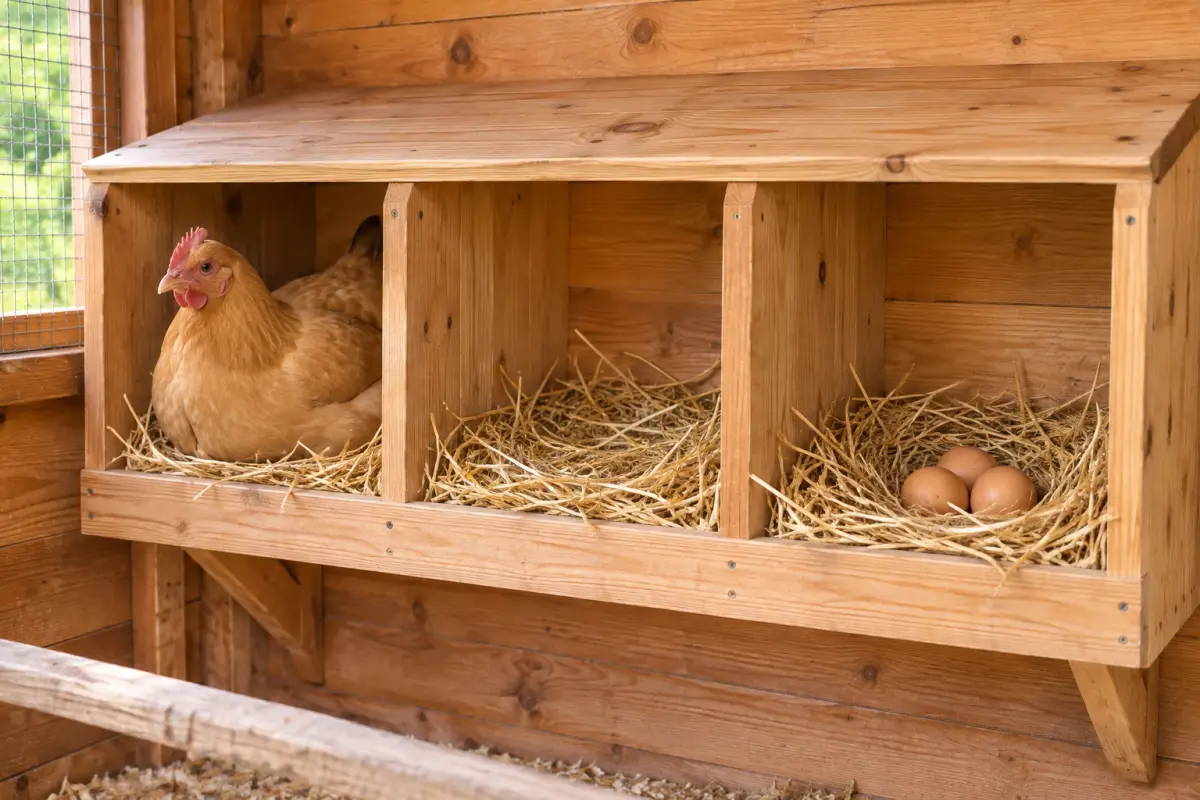
A flock of mixed ages needs enough room that younger hens can get away from older ones. Extension guides give roughly 1.5 to 3 square feet per bird indoors and 8 to 10 in the run, so work out your numbers before adding pullets. Our chicken coop size guide walks through the space needed per bird.
Plan the laying area for the hens you have now. A single chicken nest box is a simple add-on if you are expanding the flock, and you can browse more options under chicken nesting boxes. Keep nests clean and filled with dry bedding so eggs stay clean.
Keeping older hens healthy
Nutrition affects how long a hen stays productive. The Merck Veterinary Manual notes that laying birds need much more calcium than growing birds, and that too little calcium can cause thin-shelled eggs, while slow or absent egg production can be a sign of poor nutrition. It also warns against feeding layer diets to growing, nonlaying birds.
Watch each hen for changes in behavior. If a hen becomes lethargic, stops eating, struggles to breathe or looks swollen, contact a veterinarian who treats poultry rather than waiting. A hen that simply lays less as she ages and otherwise acts normally is usually following the normal pattern.
This page is general information, not veterinary advice, and it cannot replace advice from a veterinarian who treats poultry.
Common questions
How long do chickens live in a backyard flock?
University of Wisconsin Extension says hens may live in backyard flocks for 6 to 8 years, and sometimes longer. Lifespan varies from bird to bird and depends on housing, predator protection, nutrition and general care.
How many years do hens lay eggs?
Most backyard flocks produce eggs for about 3 to 4 years, with the strongest laying in the first two. University of Minnesota Extension notes hens can keep laying for 5 to 10 years, but numbers drop each year.
Why is my older hen laying fewer eggs?
Egg number, egg size and shell quality decline each year with age. Production also drops during the early fall molt and when daylight falls below about 12 to 14 hours, so a seasonal dip can be normal.
How often should I replace laying hens?
University of Wisconsin Extension suggests retiring older hens and adding pullets every 2 to 3 years to keep a small flock productive. Many owners keep retired hens as pets, which is fine if the coop has enough room.
Sources we checked
This guide is general information, not veterinary advice. If your pet is unwell or injured, contact your veterinarian.


