






Care & how-to
Why Are My Chickens Not Laying Eggs? Winter and Other Causes
Chickens can lay eggs in winter, but shorter days commonly reduce production and some hens stop for a time. Age, molt, diet, stress, and illness can also affect laying. Fewer eggs collected does not always mean fewer eggs produced, so check nests and the flock’s routine. Seek veterinary advice when the change is sudden, persistent, or accompanied by signs of illness.
By Matt GarnettUpdated November 11, 20264 min read3 sources
Consider daylight alongside the season
University of Maine Extension explains that light affects the hormonal processes involved in laying. Shorter natural days can therefore change egg output even when hens still have food and shelter. A winter slowdown is not, by itself, proof of a nutritional deficiency or a contagious disease.
Record when production changed and whether the flock’s light exposure also changed. Include indoor and outdoor routines as well as any existing artificial lighting. Compare conditions over several days rather than making repeated adjustments after each empty nest. A clear history makes a discussion with a poultry specialist more useful.
Check age and molting history
Arizona Extension describes lower production as hens age and a reduction or pause while adult birds replace feathers. Young pullets also need time to mature before they begin laying. Similar-looking birds in a flock may therefore be at different stages, and the same expectation does not fit every individual.
Keep hatch dates, the start of laying, and visible feather changes in the flock record where known. Do not diagnose a normal molt solely from patchy feathers: injury, parasites, or other problems may also deserve attention. Ask a poultry veterinarian when feather loss occurs with poor condition or other worrying changes.
Review food, water, and access
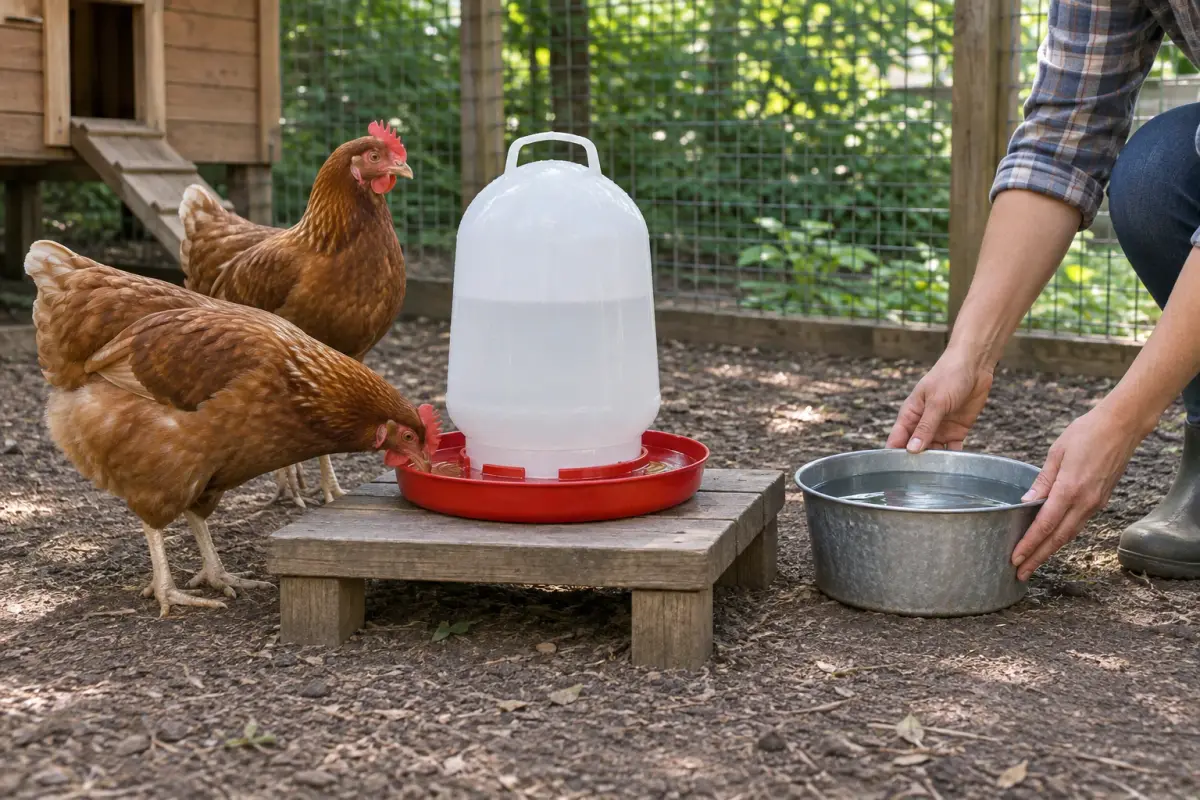
Appropriate complete feed and clean drinking water remain essential whether egg numbers are high or low. Minnesota Extension emphasizes a balanced ration and continual water access. In winter, inspect the drinking point for ice rather than assuming that a full container means the hens can drink.
Look at the whole feeding routine, including extras and whether some birds are excluded by more dominant flock members. Write down what is supplied and what remains. Do not try to restart laying with a sequence of supplements or a home mineral plan before the existing diet and the birds have been assessed.
Distinguish missing eggs from a laying pause
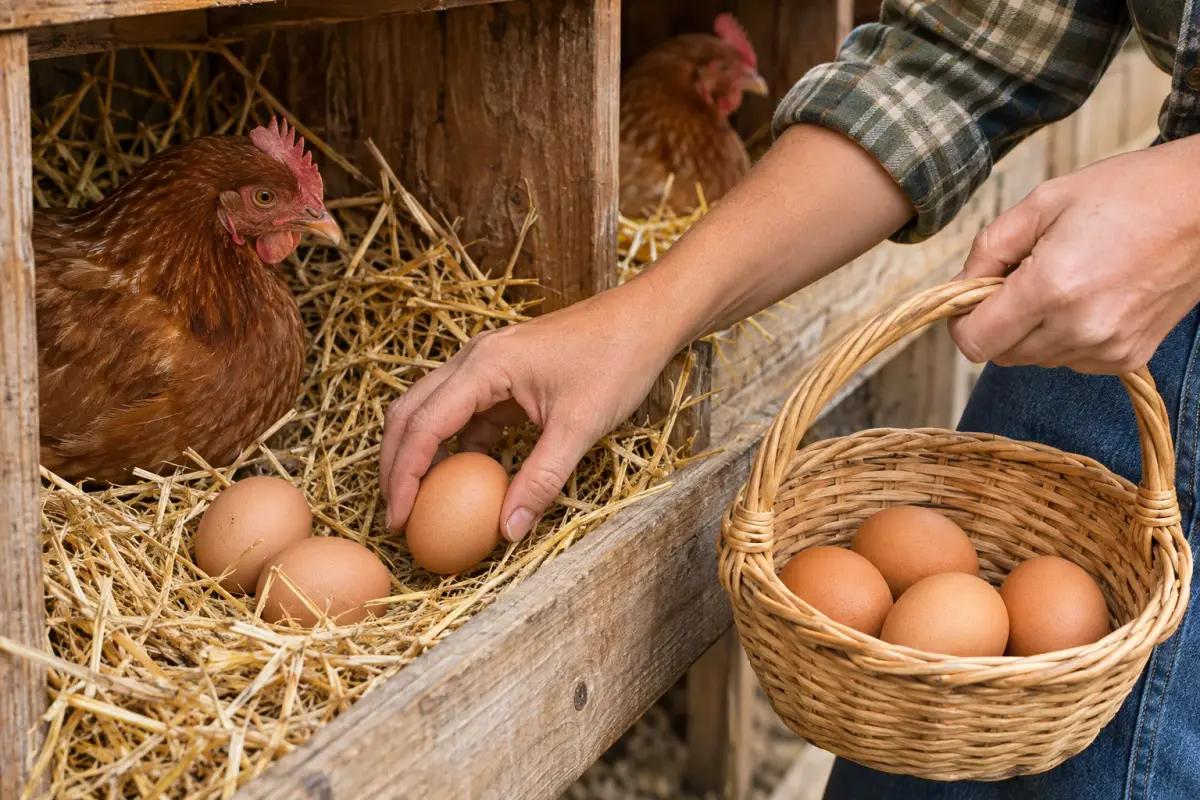
Arizona Extension notes that hens may choose alternative nesting places and that eggs may be broken and eaten. Check normal laying areas and look for evidence before deciding the birds have stopped producing. Missing eggs can also justify a review of predator access and the security of the enclosure.
Keep nests clean and accessible, collect eggs regularly, and observe calmly without repeatedly driving hens from the laying area. If broken eggs are a recurring issue, review padding and the wider pattern. Do not accuse or punish a particular bird based on a single empty nest or a guess about flock behavior.
Discuss lighting changes before installing a new routine
Supplemental light can influence laying, but it is a management choice that needs to fit the age and purpose of the birds. Maine Extension discusses planned lighting schedules and warns about changes in day length. Turning a bright lamp on and off irregularly is not the same as a considered lighting arrangement.
Ask a poultry specialist to review existing light exposure and the flock before changing it. Have electrical work and equipment suitable for the coop assessed appropriately, with fire prevention in mind. Do not use continuous light as a substitute for adequate warmth, or assume maximum egg production is the only measure of a healthy bird.
Call about illness and review housing
Contact a poultry veterinarian when reduced laying occurs with poor appetite, unusual inactivity, breathing changes, persistent abnormal droppings, or repeated shell defects. A sudden flock-wide change deserves particular attention. Marked breathing difficulty, collapse, or several suddenly sick birds calls for urgent advice rather than waiting for the season to change.
For routine management, compare the Chicken Coops and Chicken Runs collections against access to nests, resting space, ventilation, and cleaning. Housing review can support comfortable daily care, while an examination addresses health concerns. Keep records of what changed and follow professional advice for the actual flock.
This page is general information, not veterinary advice, and it cannot replace advice from a veterinarian who treats poultry.
Common questions
Do chickens lay eggs in winter?
Some do, but shorter natural days commonly reduce laying and some hens pause. The result also depends on age, molt, nutrition, management, and health rather than temperature or season alone.
Why are my chickens not laying eggs?
Possible explanations include maturity, aging, molt, short days, dietary or water-access problems, stress, and illness. Also check for hidden nests or broken eggs before concluding that production has stopped.
Should I add extra calcium whenever laying slows?
Do not treat reduced laying as proof of calcium deficiency. Review the complete feed and flock circumstances, and discuss persistent shell defects or other health changes with a poultry veterinarian.
Should I leave a coop light on all night for more eggs?
Do not improvise continuous lighting to chase production. Ask a poultry specialist about a planned arrangement appropriate for the birds, while considering rest, equipment safety, and the effect of changes in day length.
Sources we checked
This guide is general information, not veterinary advice. If your pet is unwell or injured, contact your veterinarian.


