Breeds
Havanese vs Shih Tzu: Choosing a Small Companion
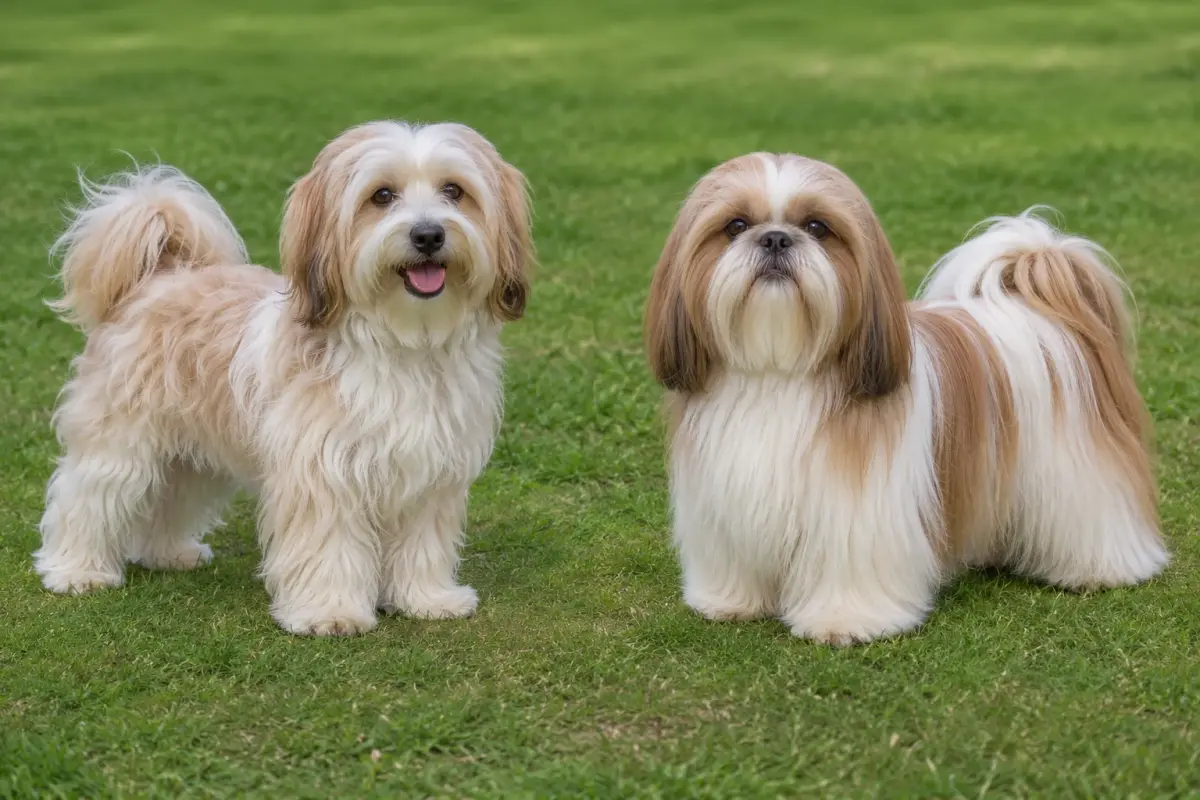
Havanese and Shih Tzu are both small companion dogs with coats that need regular attention, but their training style and physical comfort are important differences to consider. The Havanese is often a responsive, playful partner; a Shih Tzu can bring more independence and special heat considerations because of its short muzzle. Choose around care and individual behavior, not size alone.
By Matt GarnettUpdated November 10, 20263 min read4 sources
Size, lifespan, and household fit side by side
VCA lists Havanese at about 7–13 pounds and Shih Tzu at 9–16 pounds. Its lifespan guides are roughly 12–14 years and 11–14 years respectively. These ranges overlap, and they are not guarantees for an individual. Both are compact dogs whose care still requires time and planning.
Activity: both enjoy play and appropriate walks, not simply being carried everywhere. Grooming: both need brushing and combing to prevent tangles, and a dog comb that reaches the base of the coat makes that job easier. Training: reward-based methods suit both, though VCA notes a stubborn streak and possible housetraining challenges in Shih Tzu. Best fit depends on your patience, routine, and grooming commitment. If you are also weighing another small breed, our Shih Tzu vs Lhasa Apso comparison and Shih Tzu breed profile cover the other side.
Compare the companion you want to engage with
The AKC describes Havanese as lively, sociable companions, and VCA notes responsiveness to games and rewards. If you enjoy teaching tricks and including a dog in ordinary household activities, ask how an individual Havanese responds to people and how it manages quieter parts of the day.
VCA describes Shih Tzu as affectionate and playful while noting that learning may require patience. Avoid treating persistence as a reason for force. Ask about the particular dog’s routines, including toileting, handling, and introductions, so you can continue familiar expectations while teaching anything new.
Make a real plan for coat care
Long Havanese coats can range from straight to curly, while Shih Tzu coats are long and dense. VCA recommends regular combing and brushing for both to prevent matting. A shorter pet trim may make care more manageable, but it does not eliminate the need to inspect and maintain the coat.
Ask a groomer what the chosen style requires between appointments and whether the dog is comfortable being handled. Pay attention to the Shih Tzu’s eye area and hygiene, as VCA advises. Budget time as well as money rather than assuming a small dog will take almost no maintenance.
Keep play, walks, and comfort appropriate
Both dogs benefit from suitable activity and mental engagement, and for indoor games a soft squeaky plush toy or a small-dog chew toy is made for small dogs. VCA notes that Shih Tzu still need outdoor walking and sniffing even when indoor games provide some exercise. Let the individual dog’s health and comfort guide the outing instead of measuring success against a much larger dog’s routine, and a small dog harness is one option for walking either breed.
The Shih Tzu’s short muzzle makes overheating an important consideration. Discuss warm-weather activity with your veterinarian and do not push a dog showing discomfort. With either small breed, supervise play with children and larger dogs; being sociable does not make a small body resistant to accidental injury.
Choose an individual with care you can sustain
Review medical records and ask your veterinarian about the individual dog’s eyes, mouth, skin, breathing, and mobility. VCA highlights dental care in Shih Tzu. Ask about any established grooming or handling difficulties before committing, particularly if your household expects several people to share care.
Seek veterinary advice for new eye irritation, pain, difficulty breathing, or a marked change in behavior. Neither a cute face nor a reputation as a lap dog should hide discomfort. Choose the companion whose everyday needs you can meet through both active and quieter years. Whichever you choose, you can browse toys for Shih Tzus and more small dog harnesses when the time comes.
This page is general information, not veterinary advice, and it cannot replace an examination by the vet who knows your pet.
Common questions
Which is smaller, a Havanese or a Shih Tzu?
VCA’s guide places Havanese around 7–13 pounds and Shih Tzu around 9–16 pounds, so Havanese are often lighter. Individual dogs vary, and size alone does not determine handling or compatibility.
Do Havanese and Shih Tzu need professional grooming?
Some owners use professional grooming, especially for coat trims, but home brushing and combing remain important. Ask a groomer about the specific coat and chosen style before setting an appointment schedule.
Is a Shih Tzu a dog that needs no walks?
No. VCA notes the value of outdoor walking and sniffing alongside indoor play. Keep activity appropriate to the dog and discuss comfort and heat precautions with your veterinarian, particularly because of the short muzzle.
Sources we checked
This guide is general information, not veterinary advice. If your pet is unwell or injured, contact your veterinarian.