






Care & how-to
How to Catch a Chicken and Support It Safely
Catch a chicken calmly in a secure area, support its body and legs, and keep the wings from striking objects. Prepare the destination before picking it up so handling stays brief. University poultry guidance emphasizes support and reducing struggle. For an injured bird, breathing difficulty, or a chicken that cannot stand normally, call a poultry veterinarian for handling and transport instructions rather than beginning a prolonged chase.
By Matt GarnettUpdated November 11, 20264 min read4 sources
Prepare the space and destination first
The extension transport guide recommends having the carrier nearby with its door open before picking up a bird. Check the route, remove obstacles, and close escape points. A person holding a chicken should not also have to search for a latch, move equipment, or clear a place to put it down.
Use a suitable clean carrier with a rigid floor, adequate ventilation, and no sharp projections. Check that the door closes securely and no part of the bird can protrude through dangerous gaps. Decide where the carrier will rest in shade and protection from weather before starting, especially on a hot day.
Reduce disturbance instead of chasing harder
UC Davis poultry care guidance describes catching in dimmer conditions as a way to reduce stress and warns against creating crowding or piling. For routine handling, choose a quieter moment with enough visibility to work safely. Keep other people and animals from turning the attempt into a chase around the enclosure.
If the flock bunches tightly or a bird repeatedly escapes into a hazard, stop and change the arrangement. Ask an experienced poultry keeper or extension professional to demonstrate a workable method for the space. Do not postpone urgent veterinary care until nightfall merely because a quiet routine catch may be easier then.
Support the breast and secure the legs
The UC Davis guide describes supporting an adult chicken’s breast in the palm while securing the legs with the fingers or holding both legs. The aim is support that reduces struggling and the chance of wing or leg injury. Keep the bird upright and supported rather than leaving its body hanging from a fragile part.
Use the other hand to steady the bird and control flapping without forcing a wing against an object. The extension transport guide warns against carrying poultry by the head, neck, wings, or tail. If you cannot maintain secure support, lower the bird safely and obtain a hands-on demonstration rather than tightening a rough grip.
Keep the transfer short and controlled
Move the supported bird directly to the prepared carrier or intended safe position. UC Davis advises placing birds onto the floor or releasing from a low height that allows them to land feet first. Do not drop a bird from your arms or assume it will always correct an awkward landing by flying.
Once in the carrier, check the closure and ventilation. The transport guidance excludes bags, tied legs, and the trunk of a car as transport methods. If traveling for veterinary care, call ahead and follow the clinic’s instructions about arrival and possible contagious flock illness.
Check the bird after handling
Observe whether it stands, moves, and breathes normally after release. Contact a poultry veterinarian for a suspected injury, inability to bear weight, ongoing distress, or a clear change in behavior. Do not assume a limp will resolve merely because it began during a catch or because the bird has stopped struggling.
If the chicken was unusually easy to catch before handling, consider whether it was already unwell. Extension’s illness guidance highlights changes in activity and feeding as important observations. Record what prompted the catch, how the bird behaved beforehand, and any problem during the transfer so the veterinarian has a clear history.
Make necessary handling part of a calm care routine
Work with an experienced poultry professional to learn a suitable technique for the birds you keep. Size, health, and the enclosure affect what is manageable. Supervise children and avoid making handling a test of how long a bird will tolerate restraint; the purpose is safe care rather than prolonged contact.
Keep the equipment clean, wash hands after poultry contact, and return birds to appropriate shelter, feed, and water after routine handling. UF/IFAS emphasizes hygiene around backyard chickens. If a bird remains quiet, eats less, or shows persistent abnormal droppings afterward, seek veterinary advice rather than repeating restraint to investigate it yourself.
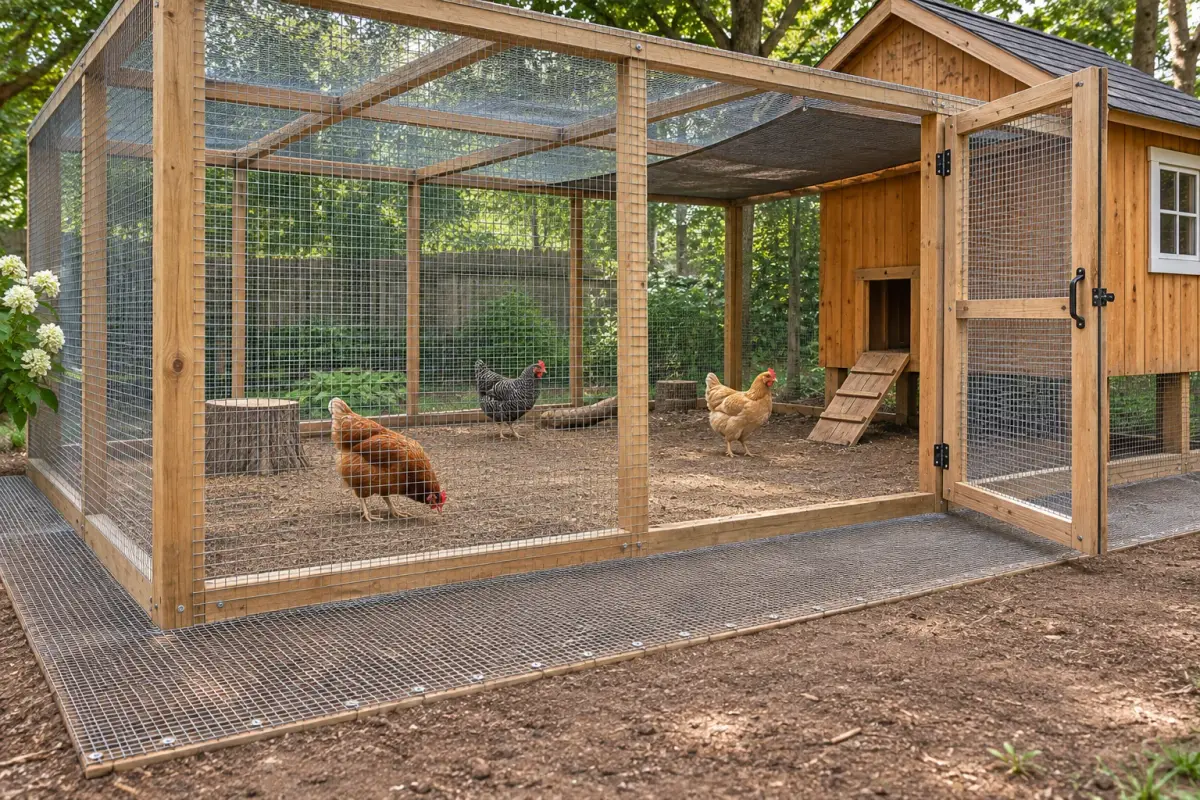
Before moving birds, plan a calm route between the shelter and enclosure. Check door positions and access when reviewing the Chicken Coops and Chicken Runs collections so routine care does not depend on chasing birds through tight spaces.
This page is general information, not veterinary advice, and it cannot replace advice from a veterinarian who treats poultry.
Common questions
How do I catch a chicken safely?
Prepare a secure area and nearby carrier, minimize disturbance, and support the bird’s body and legs while controlling flapping. Ask a poultry professional for a practical demonstration if you cannot maintain safe support.
Can I carry a chicken by its wings or tail?
No. The extension transport guide warns against carrying poultry by the head, neck, wings, or tail. Support the body and keep handling brief so struggling does not injure a wing or leg.
Is night the best time to catch a chicken?
Dimmer, quieter conditions can help with routine catching, but you still need safe visibility and footing. Do not delay urgent veterinary care to wait for darkness when a bird is injured or seriously unwell.
What if a chicken is limping after I catch it?
Contact a poultry veterinarian and describe the bird’s condition before and after handling. A new limp or inability to bear weight needs assessment, rather than assuming it will resolve or repeatedly restraining the bird yourself.
Sources we checked
This guide is general information, not veterinary advice. If your pet is unwell or injured, contact your veterinarian.


