






Care & how-to
Grit for Chickens: How It Differs from Oyster Shell
Hard, insoluble grit helps a chicken’s gizzard grind foods such as whole grains. Oyster shell serves a different purpose: it supplies calcium, particularly relevant to laying hens. The products are not interchangeable. Whether extra grit or calcium is appropriate depends on the birds and their diet, so check the feed label and ask a poultry professional when the arrangement is unclear.
By Matt GarnettUpdated November 11, 20264 min read3 sources
Understand what the gizzard does
Chickens do not chew with teeth. Cooperative Extension explains that food moves through a digestive system that includes the crop, glandular stomach, and muscular gizzard. The crop temporarily stores swallowed material; the gizzard performs mechanical grinding. Those separate jobs help explain why a digestive question cannot be answered simply by feeling a full crop.
Small hard stones can remain in the gizzard and help with grinding. Commercial poultry grit provides material for that role. Do not confuse a useful digestive aid with permission for birds to swallow arbitrary objects: keep sharp metal, broken glass, wire, and other debris out of poultry areas.
Check the actual diet before adding grit
Cooperative Extension distinguishes birds eating only prepared feed from birds eating whole grains or foraging without access to enough suitable small stones. Its guidance says chickens on prepared feed alone do not need additional grit. A change in foods or outdoor access therefore matters when reviewing the routine.
Oregon State University likewise discusses insoluble grit alongside scratch grains. Describe all extras, pasture access, and housing conditions when seeking advice rather than reporting only the main feed. A chicken that spends time outside may encounter different ground surfaces, so outdoor access by itself does not explain exactly what is available.
Keep oyster shell separate in your thinking
Oyster shell is used as a calcium source rather than as hard grinding material. Oregon State’s guide explicitly says it is too soft to substitute for grit. A product being broken into small pieces does not make it nutritionally or mechanically equivalent to another material with a similar appearance.
Read the package to establish whether a product is intended as calcium, insoluble grit, or something else. Keep labels when asking for advice about a mixed product. Do not assume a calcium recommendation has answered a question about grinding whole grain, or that access to grit establishes an adequate calcium intake.
Match calcium decisions to laying status
A laying hen’s nutritional needs differ from those of a growing chick. Complete poultry feeds are formulated for particular stages and purposes. Oregon State describes supplemental oyster shell as relevant to some laying arrangements, while also explaining that the exact main ration changes what additional calcium may be needed.
Do not use a laying-hen routine as a general plan for every bird. Tell a poultry nutrition adviser about chicks, nonlaying birds, and mixed groups that share feeding areas. Avoid adding several mineral products together in an attempt to correct an uncertain diet; the combined intake needs assessment, not guesswork.
Do not diagnose a deficiency from shell appearance
Utah State University describes nutritional issues, age, stress, and disease among possible contributors to egg defects. Repeated thin or abnormal shells deserve a review of the whole situation. They do not identify one missing nutrient or establish which supplement should be added without considering the rest of the ration.
Photograph examples, retain the feed label, and record when the change began. Contact a poultry veterinarian if it persists or occurs alongside reduced appetite, unusual inactivity, or other signs of illness. Adding grit is not a treatment for a suspected crop problem, and adding calcium is not an examination of a sick hen.
Make the feeding arrangement practical to maintain
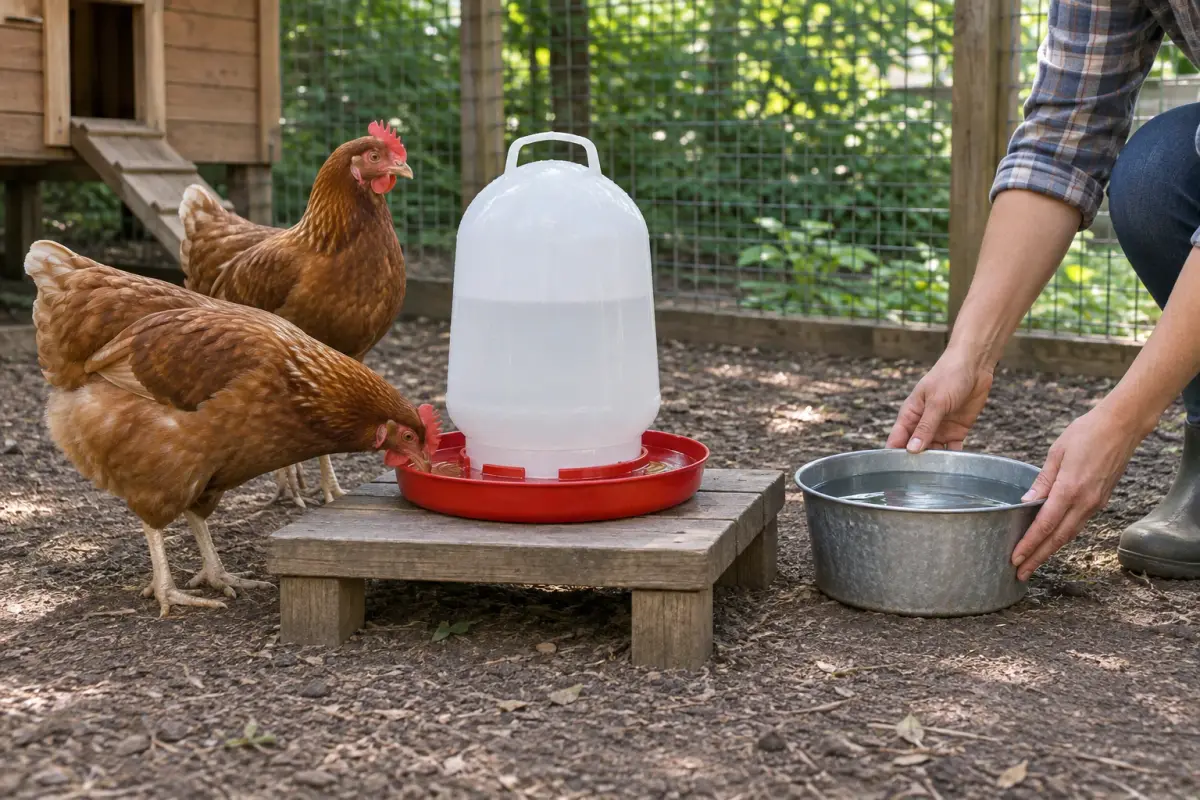
Keep food and any appropriate separate material identifiable, protected from contamination, and accessible to the birds intended to use it. When planning equipment placement, compare the Chicken Coops and Chicken Runs collections against the room needed for feeding, movement, and cleaning. Access matters alongside the choice of product.
Review the setup when ages, laying status, or food choices change. Ask a poultry professional about a suitable product for the actual birds rather than inventing a dose from an online example. Seek urgent veterinary help for marked breathing difficulty, collapse, or a bird unable to stand, instead of repeatedly changing what is offered.
This page is general information, not veterinary advice, and it cannot replace advice from a veterinarian who treats poultry.
Common questions
What is grit for chickens?
Hard, insoluble grit assists the muscular gizzard in grinding foods such as whole grains. It is different from oyster shell, which supplies calcium and is too soft to perform the same grinding role.
Can oyster shell replace poultry grit?
No. Oregon State University explains that oyster shell is too soft to act as grinding grit. Check the product’s intended purpose and discuss the birds’ actual diet when deciding what is appropriate.
Do chickens eating only prepared feed need extra grit?
Cooperative Extension says chickens fed only prepared feed do not need it. Whole grains, foraging, and access to suitable stones change the assessment, so describe the full routine when seeking advice.
Do thin eggshells prove a hen needs calcium?
No. Shell defects can have several causes, including stress, age, nutrition, and disease. Discuss repeated changes with a poultry veterinarian rather than treating the appearance as a diagnosis of one deficiency.
Sources we checked
This guide is general information, not veterinary advice. If your pet is unwell or injured, contact your veterinarian.


