






Care & how-to
Do Chickens Need a Rooster to Lay Eggs?
No. Hens can lay eggs without a rooster; a male is needed for fertilization if your aim is to produce chicks. An unfertilized egg cannot develop into a chick even if a hen sits on it. For a household flock kept for eating eggs, the important daily needs remain appropriate feed, clean water, secure housing, and health monitoring rather than the presence of a male.
By Matt GarnettUpdated November 11, 20264 min read4 sources
Separate laying an egg from producing a chick
University poultry extension directly explains that a hen does not need a rooster to make and lay an egg. The embryology guide makes the next distinction: only fertile eggs have the potential to produce chicks under appropriate incubation conditions. These are related processes, but they are not the same event.
A hen-only flock can therefore supply household eggs without creating a breeding flock. Do not add a rooster because someone says that every egg needs a male, or because a hen temporarily stops laying. First consider whether the goal is ordinary egg collection or a carefully planned hatch with responsibility for the resulting birds.
Do not expect a rooster to fix a laying pause
The extension egg-production guide identifies breed, nutrition, light, development, and management among factors affecting production. A mature hen may slow or stop laying for reasons unrelated to fertilization. Adding a male does not establish which factor matters and can create a new introduction that needs its own planning.
Keep a record of age, seasonal changes, normal egg numbers, and any health concerns. Check reliable access to the right complete ration and clean water. If a bird also has poor appetite, weakness, straining, or abnormal droppings, seek poultry veterinary advice rather than treating the absence of a rooster as the explanation.
Recognize that broodiness does not establish fertility
A hen may want to sit on eggs even in a flock without a male. The extension embryology guide explains why infertile eggs cannot turn into chicks simply by being warmed. Persistent sitting should therefore prompt a review of the hen’s care and your plans, rather than an indefinite wait for a hatch.
Check that a sitting hen continues to eat, drink, and maintain condition. Ask a poultry professional about humane management if hatching is not planned. Do not deprive her of food or water to change the behavior, and do not assume a bird that is becoming weak is merely being determined about the nest.
Plan for chicks before choosing to breed
Fertility gives an egg the potential to develop; it does not guarantee a successful hatch or suitable homes for the offspring. Decide in advance whether you can provide chick housing, feed, monitoring, and ongoing care. The group may include males, so a plan that assumes every chick will be a laying hen is incomplete.
Obtain poultry guidance about the birds, the breeding setup, and incubation before beginning. Check applicable local rules directly when planning flock changes, because permissions vary. Do not use the prospect of chicks as a reason to rush an introduction or accept repeated injury within the existing flock.
Use the same food safety care for collected eggs
Whether eggs are fertilized does not remove normal food safety responsibilities. FDA explains that even a clean, uncracked egg can contain Salmonella. Keep collection, storage, handwashing, and cooking routines consistent instead of treating the presence or absence of a rooster as a food safety test.
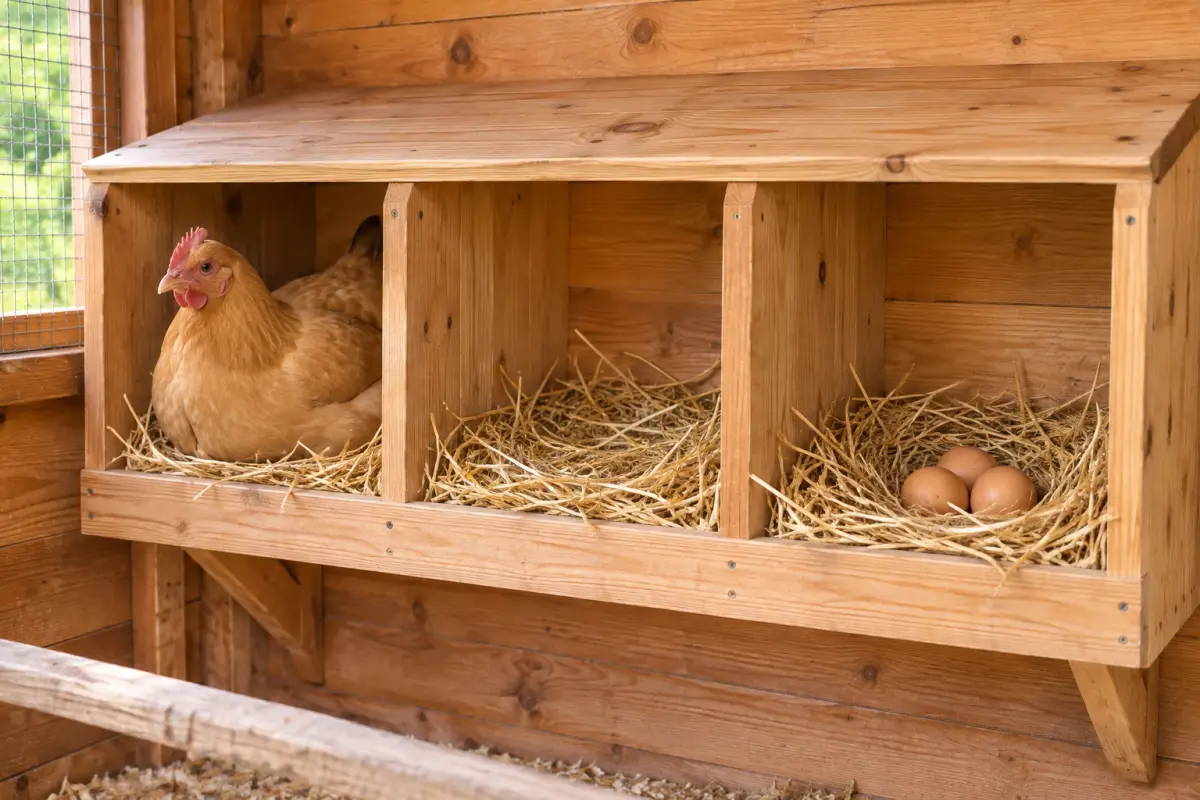
Inspect the nest area and arrange regular collection so eggs are not overlooked. Keep poultry equipment and waste handling separate from food preparation. If you have questions about using a particular egg, obtain food safety advice rather than deciding from a shell color, a rooster’s presence, or a hen’s interest in sitting.
Build the flock around appropriate daily care
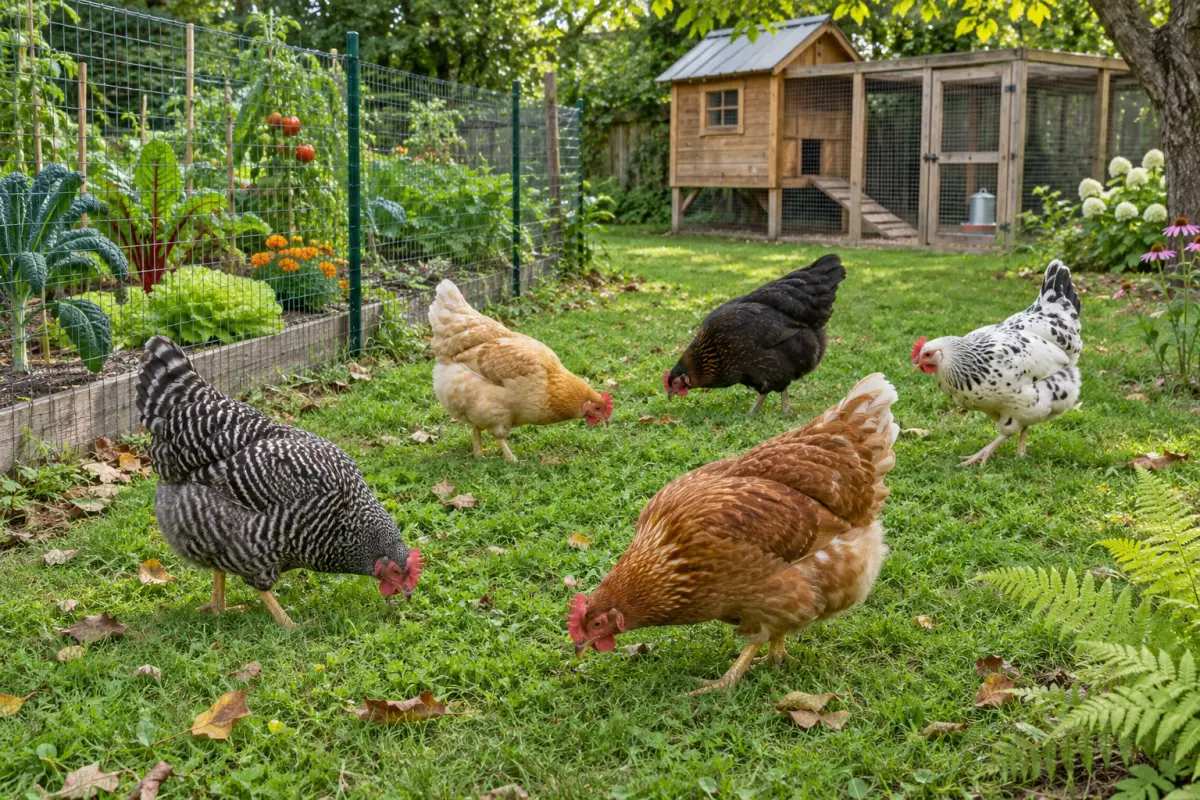
A hen-only flock still needs a secure environment and suitable places to rest, lay, and reach essential resources. Compare Chicken Coops and Chicken Runs against the number and adult size of the actual birds. Predator protection should come from a properly planned setup rather than an assumption that a rooster makes free access safe.
Ask a poultry veterinarian about persistent unexplained laying changes or signs of illness. Straining, protruding tissue, collapse, or breathing difficulty needs urgent attention. Keep the care decision focused on the individual bird and flock conditions, rather than adding or removing a male as a universal response.
This page is general information, not veterinary advice, and it cannot replace advice from a veterinarian who treats poultry.
Common questions
Can a hen lay an egg without mating?
Yes. Laying an egg does not require mating or a rooster. Without fertilization, the egg cannot develop into a chick, even if a hen sits on it or it is placed in an incubator.
Will getting a rooster make hens lay more eggs?
A rooster does not solve every production problem. Age, breed, nutrition, light, health, and management affect laying. Review those factors and seek advice about illness or an unexplained change instead of assuming a male is missing.
Can eggs from a hen-only flock hatch?
If the eggs are unfertilized, they cannot hatch. A hen’s interest in sitting does not change that. Consider her health and the household’s care plans rather than waiting indefinitely for chicks.
Are eggs automatically safe because there is no rooster?
No. Fertility is separate from food safety. FDA notes that clean, uncracked eggs can contain Salmonella, so appropriate collection, storage, hygiene, and cooking still matter for a hen-only flock.
Sources we checked
This guide is general information, not veterinary advice. If your pet is unwell or injured, contact your veterinarian.


